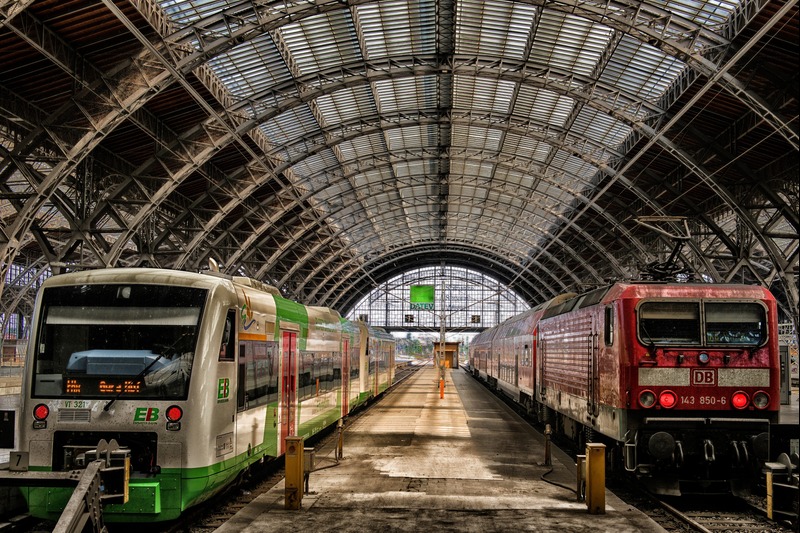
Germany is continuing to make its mark in sustainable rail travel as hydrogen-powered trains connect Lower Saxony with the coastal cities of Bremerhaven and Cuxhaven. The service, operated by EVB using Alstom’s Coradia iLint fuel-cell trains, offers travellers a quieter and lower-emission alternative to conventional diesel rail on a non-electrified regional route.
For visitors travelling through Lower Saxony, Bremerhaven and Cuxhaven, the hydrogen railway is more than a transportation upgrade. It represents a significant step towards greener tourism and regional mobility, linking important destinations along the Buxtehude–Bremervörde–Bremerhaven–Cuxhaven corridor while demonstrating how hydrogen technology can support everyday passenger travel.
Hydrogen Trains Transform Regional Travel in Northern Germany
The Coradia iLint has a distinctive role in Germany’s railway history. Developed by Alstom, the train uses hydrogen fuel cells to generate electricity for propulsion. Instead of relying on diesel engines, the system combines hydrogen and oxygen in the fuel cell to produce electricity, with water vapour as the main emission from the propulsion process.
The technology first entered passenger service in Lower Saxony in 2018, when two hydrogen trains began operating commercially on the regional network. The successful trial helped pave the way for a larger fleet and a permanent hydrogen-powered service.
By summer 2022, Lower Saxony had introduced the world’s first permanent hydrogen train service, operated by EVB on its regional network. The fleet includes 14 Coradia iLint trains, gradually replacing the diesel units previously used on the route.
Connecting Cuxhaven, Bremerhaven and Beyond
The hydrogen trains operate across a route of roughly 100 kilometres linking Cuxhaven, Bremerhaven, Bremervörde and Buxtehude. This makes the service particularly relevant for regional travellers who want to move between North Sea destinations and inland communities without depending entirely on road transport.
Cuxhaven is an important coastal destination known for its North Sea location, while Bremerhaven is a major maritime city with a significant port and a strong connection to Germany’s shipping industry. The railway therefore serves both local residents and travellers moving through a region where tourism, maritime activity and regional transport intersect.
For tourists, the route can also provide a more relaxed way to experience northern Germany. Rather than focusing solely on driving between destinations, travellers can use regional rail to connect coastal attractions, towns and transport hubs while enjoying the countryside along the journey.
A Dedicated Hydrogen Refuelling Network
The success of hydrogen rail depends not only on the trains but also on the infrastructure needed to keep them operating. A dedicated hydrogen refuelling station was developed in Bremervörde, providing the fuel required for the Coradia iLint fleet. EVB identifies the facility as the world’s first hydrogen filling station for trains.
The infrastructure demonstrates an important aspect of hydrogen mobility: introducing alternative-fuel trains requires an entire ecosystem covering fuel production, storage, distribution and refuelling. In Lower Saxony, these elements have been developed alongside the passenger service, creating a practical example of hydrogen technology operating within a regional transport network.
The project has also attracted attention from European transport and climate organisations. The European Committee of the Regions describes the Coradia iLint operation as a global example of the transition towards low-emission mobility on non-electrified local railway routes.
What Hydrogen Rail Means for Sustainable Tourism
The importance of Germany’s hydrogen trains extends beyond railway engineering. Sustainable transportation is becoming an increasingly important consideration for destinations seeking to manage visitor growth while reducing the environmental impact of travel.
Hydrogen trains can be particularly relevant on routes where full railway electrification may be difficult or economically challenging. The European Alternative Fuels Observatory identifies hydrogen fuel-cell trains as one alternative for regional passenger services on longer non-electrified routes.
For Bremerhaven and Cuxhaven tourism, better access through lower-emission regional rail can strengthen connections between coastal destinations and surrounding communities. It also gives travellers another option for building sustainable itineraries across northern Germany.
Germany’s Hydrogen Railway Sets a Sustainable Travel Example
Germany’s hydrogen trains in Lower Saxony show how sustainable mobility can become part of everyday travel rather than remaining a demonstration project. Connecting Buxtehude, Bremervörde, Bremerhaven and Cuxhaven, the Coradia iLint fleet combines regional accessibility with hydrogen fuel-cell technology and provides a practical model for cleaner rail travel on non-electrified routes.
For travellers heading towards Bremerhaven, Cuxhaven and the North Sea coast, the service adds a greener dimension to the journey while highlighting Germany’s continuing role in sustainable transportation. As destinations and transport operators look for practical ways to make tourism more responsible, Lower Saxony’s hydrogen railway offers a compelling example of how clean mobility, regional tourism and innovative rail technology can move forward together.