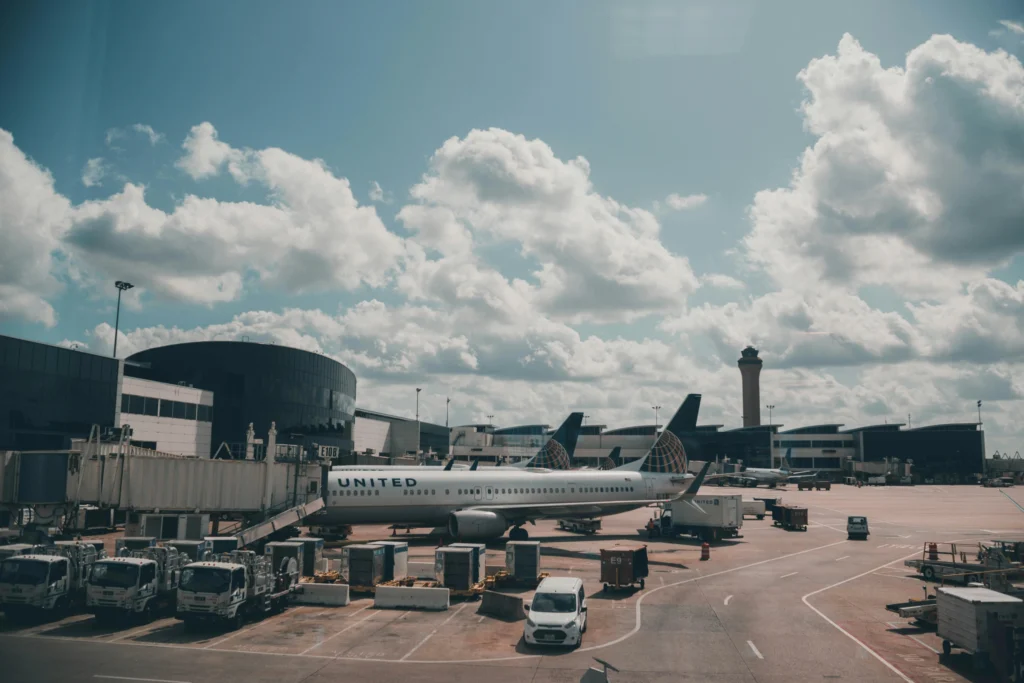
In a climate where rising operational costs often push airfare higher, Florida’s major airports have emerged as some of the most budget-friendly options for air travel. According to recent transportation data, Tampa International Airport, Orlando International, Miami International, and Fort Lauderdale-Hollywood International are among the least expensive hubs for travelers. This affordability is a bright spot for tourism in the state, drawing visitors and easing travel for locals alike.
Affordable Flying: Tampa, Orlando, and Miami Leading the Way
Airfare data shows that Tampa International Airport offers average ticket prices of around $355. Compared to airports like Washington Dulles International—where average fares can exceed $480—Florida’s airports offer considerable savings. Orlando, Miami, and Fort Lauderdale follow closely, making the state a cost-effective gateway for tourists.
These lower costs are particularly important as travelers navigate an industry grappling with increasing fuel prices and operational costs. Florida’s airports have managed to maintain competitive pricing, which is a key factor for the tourism industry as it welcomes millions of visitors each year.
Frequent Flyers and Rewards: Navigating Affordability
Travelers have been finding creative ways to stretch their budgets. Many rely on frequent-flyer programs and credit card points to keep costs down. For instance, travelers flying into Tampa often leverage Delta SkyMiles or Southwest Rapid Rewards. By collecting points, they can offset rising ticket prices and maintain affordable travel.
However, travelers are aware of broader market shifts. The recent closure of budget carriers, such as Spirit Airlines, has raised concerns. While some airlines may absorb demand, many fear the reduced competition could eventually lead to higher fares.
The Impact of Airline Competition on Airfare
The disappearance of ultra-low-cost carriers is a double-edged sword. While some travelers won’t miss the tight legroom or minimal service, many worry that fewer airlines mean higher prices. When competition diminishes, major airlines have more control over pricing, potentially making travel more expensive in the long term.
Passengers understand this risk. While some welcome improved service from larger carriers, the concern remains: fewer budget options could lead to less accessible airfare, especially for routes that rely on one or two dominant airlines.
Long-Haul Challenges: When Connections Drive Prices Up
Even with Florida’s affordability, not all travelers are fully insulated from rising costs. For those traveling from distant locations—like Alaska—reaching Florida often requires multiple connections. These added connections can significantly increase costs. Military personnel or families visiting from far-off bases often.
For more travel news like this, keep reading Global Travel Wire