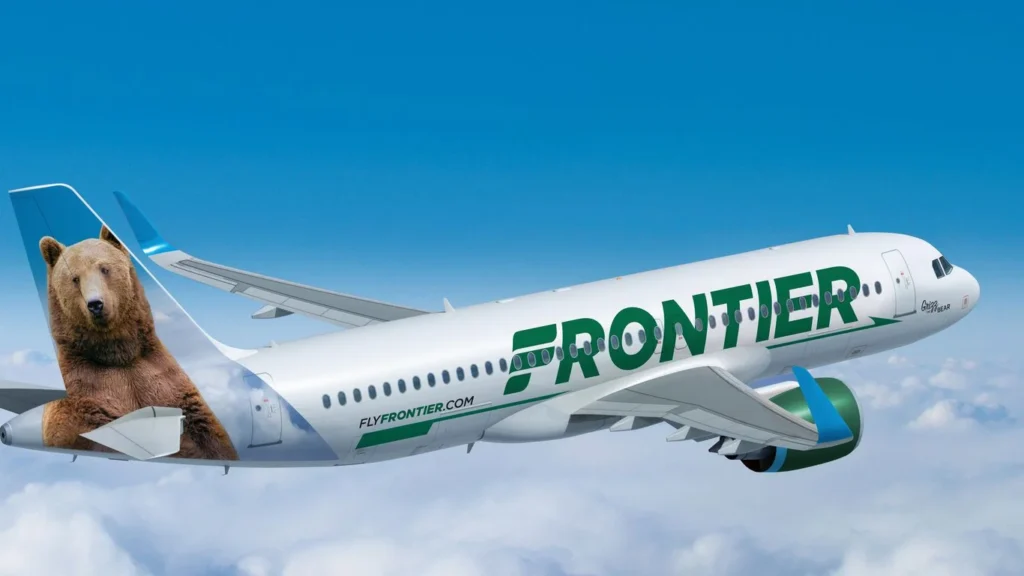
Frontier Airlines plans to introduce first-class seating and Starlink Wi-Fi, expanding its offering beyond the basic low-fare journey. The changes could give holidaymakers more onboard choices, although availability, pricing and included benefits will determine their practical value.
The plans accompany record third-quarter operating revenue of approximately $1.355 billion for parent company Frontier Group Holdings. Revenue increased 53% compared with the same period in 2025.
However, the company also reported a net loss under generally accepted accounting principles. Its financial performance illustrates the challenge of funding passenger improvements while maintaining an affordable position in the US market.
First-Class Seats Target Additional Comfort
Frontier’s planned first-class cabin will feature a two-by-two seating arrangement, providing an alternative to its conventional economy configuration. The proposed installation timetable begins in the fourth quarter of 2026.
First-class fares are anticipated towards the end of the first quarter of 2027. Travellers should treat that timetable as a plan, with actual availability depending on installation progress and commercial launch arrangements.
The product could appeal to passengers who want additional comfort without automatically choosing a full-service airline. Nevertheless, Frontier must establish the benefits included alongside the seat.
Customers will need to compare baggage allowances, flexibility and other services before assessing whether the premium fare offers suitable value.
Starlink Adds Connectivity to the Plans
Frontier also expects to begin installing Starlink onboard Wi-Fi in the first quarter of 2027. The investment would introduce another service for passengers who want internet access during their journey.
Connectivity could support messaging, browsing, work and online entertainment. For leisure travellers, it may also make time onboard more convenient.
However, an installation programme does not mean immediate fleet-wide availability. Passengers should check whether their particular flight offers internet rather than assume every aircraft has the equipment.
Access conditions and any charges will also influence the service’s appeal. Those details matter when comparing the complete journey cost.
Revenue Growth Outpaces Passenger Expansion
Frontier carried approximately 9.8 million passengers during the third quarter, an 18% annual increase. Passenger revenue rose faster, increasing 55% to approximately $1.327 billion.
Average fare revenue per passenger reached $67.82, up 71%. Total revenue per passenger increased 30% to $138.22.
These figures show that stronger revenue involved more than carrying additional customers. Higher fares and changes to revenue management also contributed.
Meanwhile, the proportion of occupied seats declined from 80.7% to 78.8%. That difference highlights why passenger growth alone cannot describe how effectively an airline fills its expanding capacity.
Premium Competition Extends Beyond Seat Design
Frontier’s plans place it alongside airlines competing for customers willing to pay for additional comfort. United, Delta and American already offer premium cabins and connectivity across parts of their networks.
However, their products, route structures and included services differ. Frontier’s planned cabin should therefore be assessed on its own features rather than treated as equivalent to every established premium offering.
For holidaymakers, the relevant comparison involves total price, departure times, airport convenience and onboard benefits. A first-class label alone cannot establish which option best meets those priorities.
Additional choice could benefit passengers, but it does not guarantee lower fares.
Loyalty Income Supports Repeat-Booking Strategy
Frontier reported a 37% increase in loyalty-related revenue during the quarter. Growth in co-branded credit-card and membership programmes contributed alongside customer engagement and spending.
Its Frontier Miles programme forms part of an effort to encourage repeat bookings. Rewards and membership benefits can give passengers considerations beyond the initial ticket price.
However, higher loyalty-related income does not establish an equivalent increase in membership. Travellers should examine programme conditions and their own likely usage before assigning value to benefits.
For occasional holidaymakers, a suitable schedule and transparent total fare may remain more important than collecting rewards.
Profitability Remains the Central Test
Despite record revenue, Frontier reported a quarterly net loss of approximately $104 million. Its adjusted result showed a profit of approximately $40 million after excluding specified items.
Fuel expenses reached $425 million, while aircraft-lease restructuring charges added pressure. New seating and connectivity will also require investment before their longer-term contribution becomes clear.
For travellers, the coming rollout could broaden choices within Frontier’s own network. Its success will depend on dependable delivery, clearly explained benefits and prices that remain attractive to budget-conscious passengers.