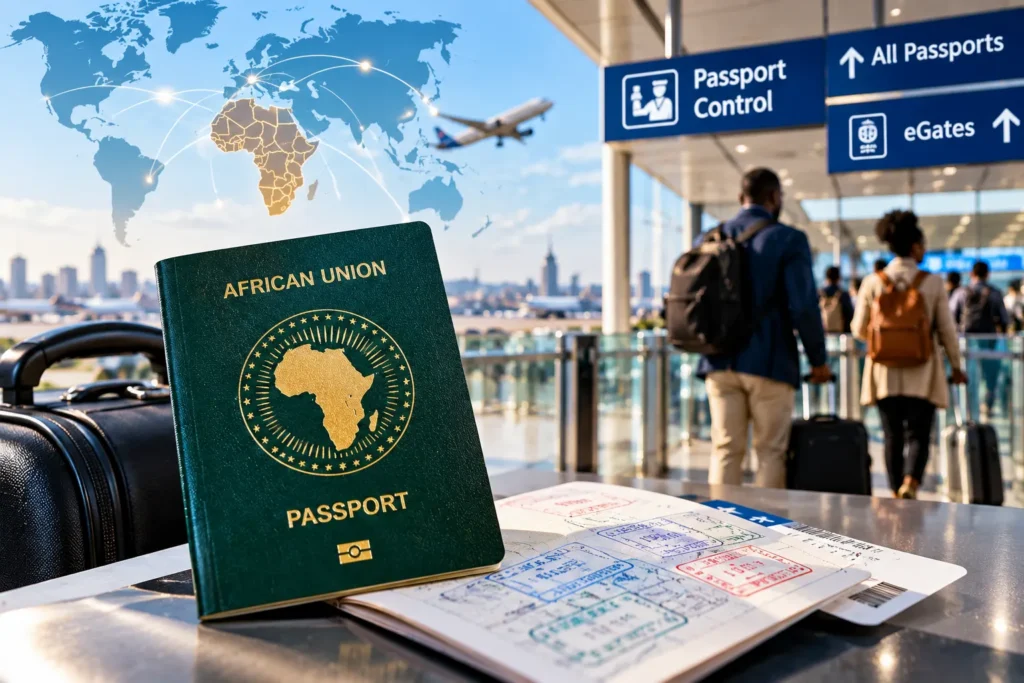
Official border data and public tourism administrative announcements demonstrate a major transformation in international business mobility, as cross-border corporate delegations and international incentive groups broaden their presence across mainland destinations. Data published by the National Immigration Administration reveals that foreign nationals completed 22.91 million inbound entries during the first half of the current operating year, representing a 20.4 percent increase compared to the previous operational period. Notably, visa-free entries reached 17.82 million arrivals, marking an expansion of 30.6 percent and underscoring the measurable impact of liberalized entry frameworks on international business travel.
Public sector initiatives aimed at facilitating cross-border exchanges have expanded unilateral visa exemptions to passport holders from diverse economic partners, including Australia, New Zealand, the United Kingdom, Brazil, and Argentina. Concurrently, immigration authorities have enhanced transit mobility by maintaining a 240-hour visa-free transit framework covering designated entry ports for qualified citizens from 57 countries. These coordinated border procedures enable multinational corporate organizers, international associations, and commercial delegations to schedule itinerary stops, executive forums, and industrial site inspections without conventional administrative hurdles.
Expanding World Exhibition Capacity and Venue Infrastructure
The physical infrastructure anchoring business events across the country has seen substantial structural expansion. Official assessments published by the Global Association of the Exhibition Industry indicate that China accounts for 30.7 percent of total worldwide gross indoor exhibition venue capacity, surpassing major established trade markets including the United States, which commands 13.9 percent, and Germany at 7.0 percent.
This venue footprint is reinforced by major municipal developments across core administrative hubs. In the capital, expanded event complexes such as the second phase of the China National Convention Center and modern international exhibition facilities provide comprehensive multi-use zones designed to host large-scale multilateral conferences. These purpose-built venues integrate direct access to dual international aviation gateways, extensive public transit networks, and high-capacity accommodation hubs.
Beyond traditional commercial gateways like Beijing, Shanghai, Guangzhou, and Shenzhen, national transport development has elevated regional connectivity. The nationwide high-speed rail network links emerging commercial metropolitan centers, including Chengdu, Chongqing, and Changsha, providing seamless transit for international business delegations. These secondary and western hubs offer competitive ground logistics, modern meeting venues, and access to regional development clusters, establishing alternatives to conventional coastal conference centers.
Integrating Advanced Technology and Industrial Site Visits
The profile of corporate travel itineraries has evolved substantially, moving beyond standard exhibition hall attendance toward technical knowledge exchange and operational immersion. International corporate buyers and meeting planners are increasingly incorporating enterprise visits, factory tours, research laboratories, and advanced robotics facilities into travel schedules.
Urban innovation centers such as Shenzhen and Hangzhou serve as primary destinations for delegations seeking firsthand exposure to applied automation, smart logistics, and artificial intelligence integration. In these metropolitan centers, business travelers encounter automated hospitality features, including robotic service staff, automated dining systems, and digital retail operations, demonstrating practical technology applications within daily commercial environments.
Public tourism bureaus and commerce agencies emphasize that this blending of business learning with destination exploration provides a distinct competitive profile. Rather than replicating traditional conference models, travel itineraries allow visiting executives to inspect dynamic manufacturing ecosystems, observe commercial product development, and engage directly with domestic enterprise teams across diverse economic sectors.
Geographic Diversification and Competitive Hospitality Assets
Destination management assessments highlight that competitive pricing across premium lodging sectors reinforces destination appeal. The domestic hospitality inventory encompasses premier global luxury lodging brands alongside high-end boutique properties situated throughout regional destinations. Official rate comparisons across metropolitan centers demonstrate favorable cost structures for corporate planners when evaluated against major North American and Western European convention cities, allowing organizers to maximize event budgets while maintaining high service standards.
Simultaneously, corporate incentive programs are extending itineraries into inland and western regions. Demand for experiential journeys that combine commercial engagements with unique cultural and natural landscapes has directed business groups toward destinations such as Sichuan, Gansu, and Xinjiang. These itineraries permit corporate delegations to pair formal meetings with cultural heritage excursions, rural revitalization tours, and ecological conservation programs.
Municipal tourism bureaus and commerce commissions continue to refine public support services for visiting international delegations. Improvements include localized multilingual transit guidance, integrated international payment terminals across retail and transit systems, and coordinated on-arrival assistance at major international airports.
By coordinating modernized border administration with expansive venue infrastructure and distinctive enterprise tour programs, public authorities and municipal agencies are establishing a comprehensive foundation for sustainable business travel growth. The resulting ecosystem positions the country as a dynamic center for corporate meetings, technology exchanges, and international trade forums, connecting global commerce with domestic economic innovation.
For more travel news like this, keep reading Global Travel Wire