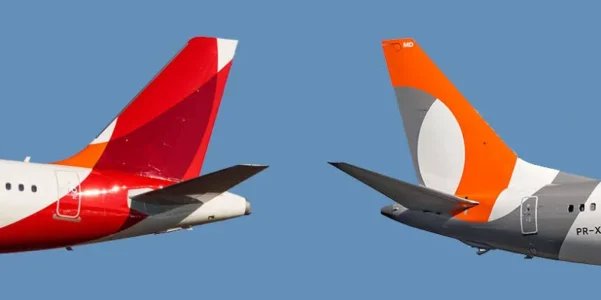
GOL and Avianca’s position within Abra Group places airline cooperation at the centre of South America’s connectivity debate. For travellers, the central questions concern affordable journeys, dependable connections and the full cost of flying.
Brazil’s competition authority identifies Abra as the holding company of GOL and Avianca. That relationship provides the corporate backdrop for examining their regional networks and commercial cooperation.
However, the supplied material does not establish a newly announced three-airline partnership involving LATAM Colombia. Presenting all three carriers as participants in one agreement would overstate the information available.
The tourism implications nevertheless extend across the region. Airline connections influence which destinations visitors can reach, how long they stay and their remaining holiday budgets.
Airline Cooperation Shapes Regional Access
The material describes GOL and Avianca’s relationship through shared ownership, connecting itineraries and operational cooperation. These arrangements serve different purposes, making their distinctions important for passengers and tourism businesses.
Shared ownership concerns corporate control. Codesharing concerns how airlines market flights, while interline arrangements can allow journeys involving multiple carriers.
Meanwhile, wet leasing involves supplying an aircraft with crew, maintenance and insurance. It does not automatically create common fares or identical passenger benefits.
For holidaymakers, the practical value depends on the itinerary available when booking. A corporate relationship alone cannot establish baggage allowances, connection protection or loyalty eligibility.
Consequently, travellers considering combined journeys need clear information about each operating airline and the conditions attached to their tickets.
LATAM Colombia Remains a Separate Competitor
LATAM Colombia features in the supplied material as a competitor across Colombian and wider regional markets. Its role should remain distinct from GOL and Avianca’s ownership relationship.
Competition matters for destinations seeking international visitors. Travellers compare departure times, connection durations and total prices when choosing between airlines and gateways.
For tourism businesses, convenient schedules can influence whether visitors add another city or region to their holidays. Difficult connections can make shorter, simpler itineraries more attractive.
However, airline cooperation does not guarantee lower fares. Equally, competition alone cannot establish that every route offers sufficient capacity or convenient departure times.
Any assessment of a particular market therefore requires current schedules, available fares and route-specific evidence.
Baggage Conditions Can Change Holiday Budgets
The pasted article places baggage charges at the centre of its affordability argument. However, its broad comparisons should not become universal rules.
Brazil’s ANAC framework establishes a minimum cabin baggage allowance of 10 kilograms, subject to contractual dimensions and piece limits. Safety and aircraft capacity provisions can also apply.
That framework makes blanket claims about personal-item-only fares particularly unsuitable without checking the applicable market and ticket conditions.
Across international itineraries, passengers should examine the allowance shown for each flight. A fare name cannot reliably explain every inclusion across different airlines.
Checked baggage, seat selection and ticket flexibility also affect the final purchase price. Comparing those elements together gives travellers a clearer picture of affordability.
Families and visitors taking longer holidays may face different requirements from passengers travelling with one small bag. Their cheapest suitable ticket may differ accordingly.
Tourism Benefits Depend on Usable Connections
For destinations, airline connectivity becomes valuable when visitors can build practical journeys around it. A connecting itinerary must work alongside hotel arrivals, transfers and planned activities.
The supplied material highlights opportunities involving Brazil, Colombia and onward regional travel. These illustrate how airline networks can support holidays covering several destinations.
Nevertheless, booking conditions remain essential. Travellers need to understand connection times, baggage collection requirements and responsibility when disruptions affect onward flights.
Tour operators and travel sellers also need accurate information before promoting combined itineraries. Clear explanations can help customers choose journeys matching their budgets and expectations.
Hotels, attractions and local transport providers benefit when visitors can organise arrivals confidently. However, the material provides no verified calculation of additional bookings or spending.
Clear Pricing Will Shape Traveller Confidence
The article attributes airline cost pressures to airport charges, fuel expenses and currency movements. It does not provide dated tariff decisions supporting a region-wide increase.
Similarly, its precise baggage fees, market shares and booking-behaviour figures lack sufficient supporting detail for publication as established facts.
The stronger tourism story centres on the relationship between connectivity, competition and transparent pricing. Travellers need to know what their tickets include before committing holiday spending.
GOL and Avianca’s shared ownership remains relevant to that discussion. LATAM Colombia’s separate competitive position also matters when assessing available choices.
For South America air travel, the key test is practical: accessible destinations, understandable fares and connections that support the complete visitor journey.