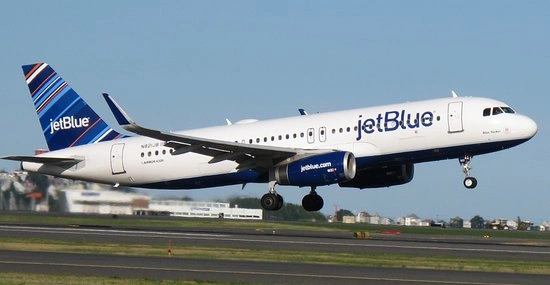
JetBlue will end its nonstop service between New York John F. Kennedy International Airport and Vero Beach Regional Airport on September 9, 2026, after passenger demand failed to reach levels needed to sustain the route.
The cancellation will remove a convenient direct connection between the New York metropolitan area and Florida’s Treasure Coast only nine months after the flights began. JetBlue launched daily services from New York and Boston to Vero Beach on December 11, 2025, presenting the new destination as part of its wider expansion across Florida.
Passengers holding reservations for travel after the final operating date are expected to receive direct communication regarding refunds and available alternatives. Travellers may need to use connecting itineraries or fly through larger Florida airports before continuing to Vero Beach by road.
The route closure creates a setback for regional tourism businesses that had anticipated stronger access to one of the United States’ largest travel markets.
Low Demand Ends New York Connection
JetBlue introduced the JFK–Vero Beach service to offer leisure travellers, visiting friends and relatives, seasonal residents and business passengers a direct alternative to larger airports elsewhere in Florida.
However, demand remained below expectations during the route’s operating period. Airlines regularly assess passenger bookings, fares, seasonal performance, aircraft utilization and operating expenses when deciding whether a service should continue.
Regional routes can be particularly sensitive to changes in consumer demand because they usually depend on a smaller local passenger base and sustained visitor traffic. Even when a destination attracts strong tourism interest, travellers may continue choosing nearby airports when those gateways offer lower fares, more departure times or wider connecting networks.
JetBlue was still displaying bookable JFK–Vero Beach journeys for dates in August and early September 2026, supporting the announced timeline for the route’s final weeks.
Treasure Coast Tourism Loses Direct Access
The nonstop service gave New York travellers easier access to Vero Beach’s beaches, resorts, cultural attractions and quieter coastal environment.
Its cancellation could affect hotels, restaurants, vacation rentals, attractions and transport providers that benefited from visitors arriving directly in the region. Without the JFK route, some passengers may choose competing Florida destinations offering more extensive nonstop air service.
The loss may be felt most strongly by short-stay visitors. Direct flights can make weekend trips and brief coastal holidays more practical because travellers spend less time transferring between airports or driving long distances after arrival.
Vero Beach remains accessible through nearby aviation gateways, but those alternatives require additional ground transportation. This can increase the total journey time and reduce convenience for elderly passengers, families, business travellers and visitors unfamiliar with the region.
Boston Flights Preserve Northeast Connectivity
JetBlue’s service between Boston Logan International Airport and Vero Beach remains available, preserving a nonstop link between the Treasure Coast and the northeastern United States.
The airline continues to display Boston–Vero Beach flights for travel beyond September 2026, including services during the autumn period.
Maintaining the Boston route gives local tourism organizations and hospitality businesses an opportunity to focus marketing activity on New England travellers. It also provides an important test of whether Vero Beach can support sustainable scheduled airline service from selected high-demand markets.
The airport currently lists JetBlue among its commercial airline operators alongside other available carriers, confirming that the end of the JFK route does not represent JetBlue’s complete withdrawal from Vero Beach.
Regional Airports Face Route Development Challenges
Vero Beach’s experience demonstrates the difficulty smaller airports face when seeking stable commercial air links.
New routes can strengthen tourism, attract investment and improve travel options for residents. However, their success often depends on coordinated promotion, competitive fares, reliable schedules and strong support from both inbound visitors and the local community.
Seasonality can create another challenge in coastal Florida. Passenger demand may rise during winter and holiday periods but weaken at other times of the year, making year-round aircraft deployment more difficult to justify.
Airlines can respond by reducing frequency, switching to seasonal schedules or cancelling underperforming routes and reallocating aircraft to stronger markets.
Travellers Must Consider Alternative Airports
Passengers travelling between New York and the Treasure Coast after September 9 may need to examine flights serving airports with broader schedules elsewhere in South or Central Florida.
The most suitable alternative will depend on airfare, ground-transport costs, final destination and total travel time. Travellers should also consider whether a connecting itinerary offers greater convenience than flying nonstop to a more distant airport.
Tourism operators may need to provide clearer transfer information and develop transport partnerships to reduce the impact of lost direct service.
Vero Beach Continues Pursuing Aviation Growth
The cancellation is a challenge rather than an end to Vero Beach Regional Airport’s commercial ambitions.
Future route development will depend on demonstrated passenger demand, airline partnerships and the destination’s ability to convert tourism interest into consistent bookings.
JetBlue’s remaining Boston service will now carry greater importance for regional connectivity. Its performance could influence future airline decisions about seasonal flights, additional markets or changes in capacity.
For Florida’s Treasure Coast, restoring direct New York access may require stronger destination promotion and sustained support from travellers. Until then, the end of the JFK route reduces convenience while reinforcing the competitive realities shaping regional aviation and tourism growth.
For more travel news like this, keep reading Global Travel Wire