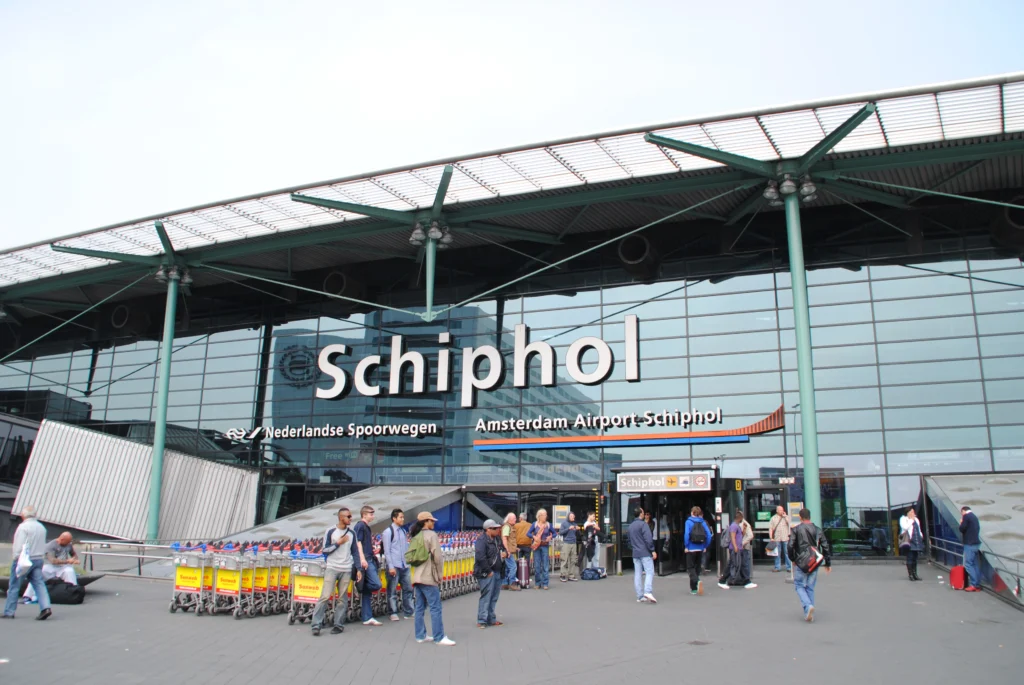
Amsterdam Airport Schiphol will bring assistance for passengers with reduced mobility under direct airport management from early 2028, marking a significant change in how one of Europe’s busiest aviation gateways delivers accessible travel services.
The Netherlands airport currently provides the service through Axxicom Airport Caddy, part of Facilicom Groep. Axxicom has supported passengers at Schiphol since 2003, helping travellers move through check-in, security, transfers, boarding and arrivals.
Under the new model, Schiphol will assume operational responsibility when the existing arrangement concludes. The airport expects direct management to improve coordination, maintain consistent service standards and make accessibility a more integrated part of daily airport operations.
Approximately 750,000 passengers use mobility assistance at Schiphol annually. Nearly 1,000 trained employees currently deliver wheelchair support, passenger escorts, boarding assistance and other personalized services across the airport.
Growing Passenger Demand Drives Operational Change
Schiphol’s decision comes as European airports prepare for increasing demand from elderly travellers and passengers requiring additional support.
An ageing population, stronger awareness of accessibility rights and greater travel participation among people with mobility challenges are increasing pressure on airports to deliver reliable and timely assistance.
Mobility services require close coordination because passengers must move between several time-sensitive airport processes. Delays at check-in, security, immigration or boarding can have a greater impact on travellers who depend on assistance to reach their departure gates.
By managing the service internally, Schiphol will be able to coordinate staffing and passenger movements more closely with airlines, security teams, terminal managers and ground-handling operations.
This approach could become particularly valuable during peak holiday periods, severe weather, flight disruption and other situations when airport resources face additional pressure.
Workforce Protection Supports a Stable Transition
Employment continuity is a central part of the planned transfer.
Schiphol and Facilicom Groep have established arrangements intended to protect employment opportunities for the approximately 1,000 Axxicom Airport Caddy employees affected by the change.
Preserving this workforce will help Schiphol retain valuable operational knowledge and specialist passenger-care experience. Employees working in mobility assistance require more than familiarity with airport terminals. Their roles also demand patience, communication skills and an understanding of individual accessibility needs.
Consultations with employee representatives and labour unions are expected to continue before the transition takes effect.
The airport has also recognized Axxicom’s contribution over more than two decades. Since beginning operations at Schiphol in 2003, its employees have assisted millions of passengers travelling through the Dutch gateway.
The change has therefore been positioned as an operational restructuring rather than a response to poor performance by the current provider. Both organizations are expected to prioritize uninterrupted service during the transfer.
Direct Management Could Accelerate Innovation
Bringing reduced mobility assistance in-house may give Schiphol greater flexibility to introduce new accessibility technology.
Potential developments include digital assistance reservations, automated passenger scheduling, real-time navigation systems, smart mobility equipment and improved tracking of assistance requests across the terminal.
Schiphol has also explored autonomous mobility solutions that could allow some passengers to travel independently through designated airport areas. Such systems could complement employee-led assistance rather than replace the personal support required by many travellers.
Digital scheduling may help airport teams allocate employees and mobility equipment according to live passenger demand. Better information could reduce waiting times, prevent missed connections and improve communication when flights or gates change.
Real-time passenger information could also help travellers understand where assistance will be provided and how long each stage of their journey may take.
Accessibility Strengthens the Passenger Experience
Accessible airport services influence more than passengers with permanent disabilities.
Older travellers, people recovering from injuries and passengers with temporary mobility limitations may also need help navigating large terminals. Families and accompanying travellers can benefit from clearer routes, inclusive facilities and more coordinated airport support.
For an international hub such as Schiphol, dependable assistance is particularly important for connecting passengers who may need to travel long distances between gates within limited transfer times.
Direct oversight could enable airport managers to align mobility services with terminal planning, passenger information, security operations and airline schedules. This may create a smoother journey while improving resilience when normal operations are disrupted.
European Airports Prioritize Inclusive Aviation
Schiphol’s decision reflects a broader European focus on barrier-free aviation and passenger-centred airport design.
Airports across the Netherlands, Germany, Belgium and France are investing in accessible terminals, inclusive signage, digital navigation and improved boarding facilities as passenger expectations evolve.
Accessibility is increasingly becoming a competitive consideration for airports and destinations. Travellers who receive reliable support are more likely to feel confident about flying, returning to a destination and recommending the experience to others.
For tourism economies, inclusive aviation can widen the potential visitor market while ensuring that more people can access hotels, attractions, cultural sites and regional destinations.
Schiphol Prepares for Long-Term Accessible Growth
The 2028 transition represents more than a change of service provider. It places reduced mobility assistance within Schiphol’s core operational structure.
Successful implementation will depend on workforce consultation, careful planning, technology integration and uninterrupted passenger support throughout the transfer.
By combining experienced employees with stronger operational control and future innovation, Schiphol aims to deliver more dependable assistance to hundreds of thousands of passengers each year.
The model may also attract attention from other European airports considering how direct management could improve service consistency, workforce stability and accessible travel as demand continues to grow.
For more travel news like this, keep reading Global Travel Wire