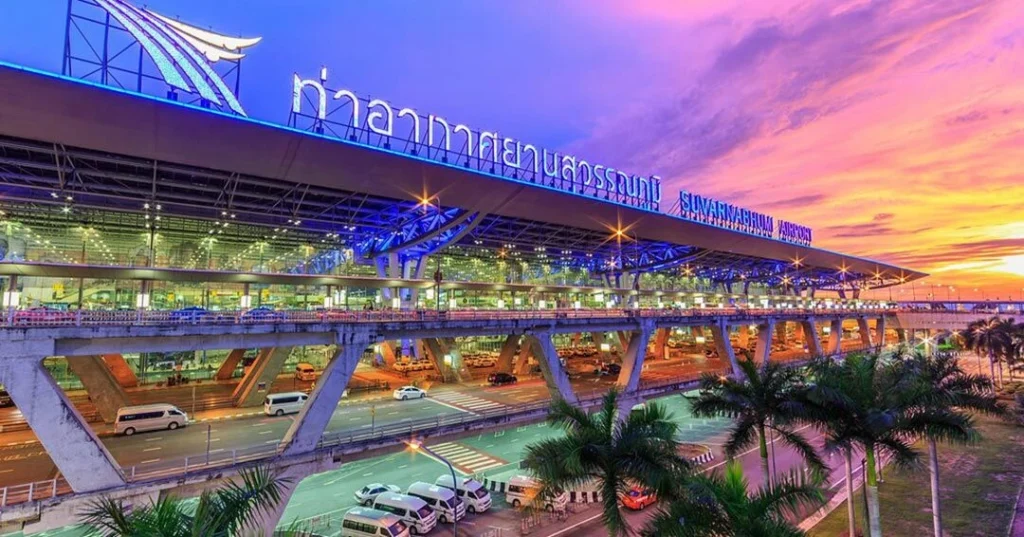
Thailand is advancing plans to modernize its airport network through a strategic collaboration involving Thai Aviation Industries, Edgewater Solutions and Amadeus, with the partners preparing a roadmap for smarter passenger processing and more efficient airport operations.
The organizations have signed a Memorandum of Understanding covering international and regional airports across the kingdom. The initiative will examine how biometric identity systems, automated check-in, baggage technology, digital operational platforms and real-time data can improve the journey from airport arrival to aircraft boarding.
The agreement comes as Thailand’s airports collectively handle approximately 140 million passengers annually. With tourism demand, regional air connectivity and airline networks continuing to expand, airport operators face rising pressure to reduce queues, improve aircraft turnaround times and maintain reliable services during peak travel periods.
Rather than introducing isolated upgrades, the collaboration aims to develop a connected airport ecosystem in which airlines, airport operators, border authorities and ground-service providers can share information and coordinate more effectively.
Seamless Processing Could Reduce Passenger Queues
Passenger convenience forms a central part of the proposed modernization roadmap.
The partners will assess self-service check-in, off-airport check-in, automated bag-drop facilities and real-time baggage reconciliation. These systems could reduce dependence on staffed counters while allowing travellers to complete more procedures before reaching security and departure areas.
Off-airport check-in could provide additional flexibility for passengers beginning their journeys from hotels, transport hubs or other designated locations. Automated baggage systems may also help airports process larger passenger volumes without creating significant congestion in terminal halls.
Real-time baggage reconciliation would give airlines and airport teams clearer information about the location and status of checked luggage. Greater visibility could improve operational accuracy, support faster disruption management and strengthen traveller confidence.
For Thailand’s tourism industry, shorter queues and more predictable airport procedures could improve the first and final stages of an international visit, influencing overall destination satisfaction.
Biometrics May Support Smarter Border Processing
The roadmap will also explore biometric authentication, electronic gates, digital identity platforms and free-flow passenger processing.
These technologies are designed to reduce repeated passport and boarding-pass inspections by securely confirming a traveller’s identity at selected airport checkpoints. Subject to regulatory and border-security requirements, passengers could move through check-in, immigration and boarding using approved biometric credentials.
Electronic gates may help immigration authorities process eligible travellers more quickly, particularly during periods of concentrated international arrivals. Meanwhile, digital identity systems could allow airports to streamline verification while retaining security controls and regulatory oversight.
The planned review does not mean biometric systems will be deployed immediately. The MOU begins a planning process during which the organizations will assess technical requirements, compatibility, implementation priorities and operational safeguards.
Integrated Platforms Could Strengthen Airport Operations
Beyond passenger-facing services, the initiative will examine the digital infrastructure supporting daily airport management.
A proposed Airport Operational Database could bring flight schedules, gate activity, passenger movements, baggage information and resource allocation into a centralized platform. This would give authorized stakeholders access to consistent operational information and support faster decision-making.
The roadmap also covers resource-management systems, flight-information displays, apron operations and ground-movement coordination. Better integration in these areas could improve aircraft turnaround efficiency and reduce delays caused by fragmented information.
Real-time analytics may allow airport teams to identify crowded terminal zones, anticipate bottlenecks and redeploy staff or equipment before disruption increases. Airlines could also benefit from more accurate information about gates, baggage progress and aircraft servicing.
During irregular operations, connected systems could help airports respond more effectively to weather disruption, technical issues or sudden changes in passenger volumes.
Tourism Growth Raises Infrastructure Priorities
Airport modernization is increasingly important to Thailand’s wider tourism economy.
International gateways shape the traveller experience before visitors reach hotels, attractions, beaches and regional destinations. Efficient processing can support stronger airline confidence, smoother transfers and better connections between major hubs and secondary cities.
Modern airport systems may also help Thailand accommodate future route expansion without relying entirely on larger terminal buildings. Digital processing and improved resource coordination can increase the effective capacity of existing infrastructure while supporting long-term investment planning.
The initiative aligns with Thailand’s ambition to strengthen its position as a leading Southeast Asian aviation and tourism hub. Enhanced airport performance could encourage airlines to add services, improve connectivity for international travellers and distribute visitor spending across more destinations.
Planning Phase Will Define Implementation
Thai Aviation Industries, Edgewater Solutions and Amadeus will now work on technical specifications, deployment phases and solution priorities.
Future decisions will determine which airports and technologies receive priority, how new platforms connect with existing infrastructure and what regulatory approvals are required.
If the roadmap progresses into implementation, passengers could experience faster check-in, more automated baggage handling, smoother identity verification and clearer real-time information. Airports, airlines and public authorities could gain better operational visibility and stronger resilience.
The collaboration therefore represents more than a technology project. It offers a potential foundation for improving Thailand’s complete aviation ecosystem while supporting tourism demand, airline growth and a more seamless experience for millions of domestic and international travellers.
For more travel news like this, keep reading Global Travel Wire