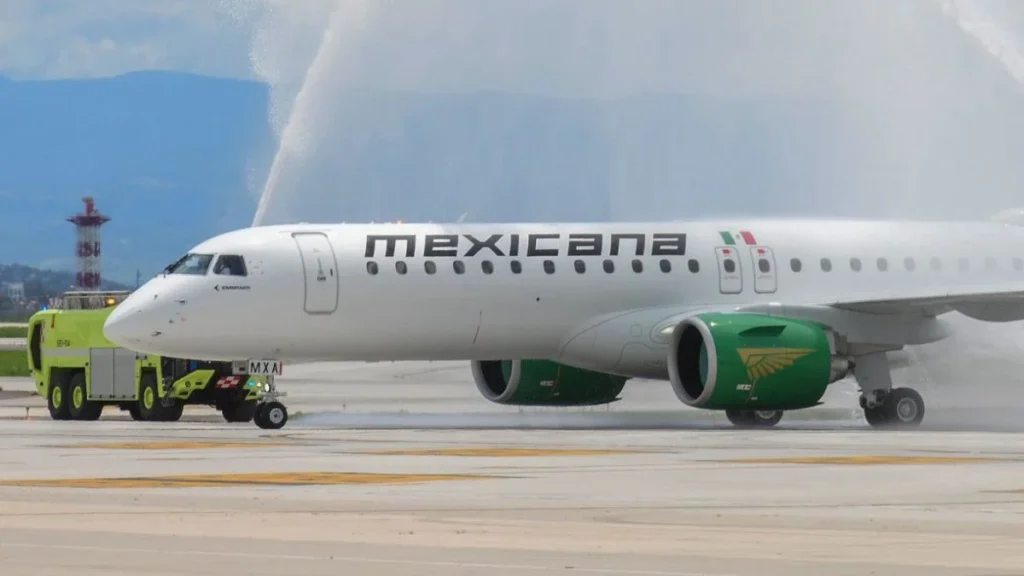
Mexico’s Federal Civil Aviation Agency, known as AFAC, said on 3 November 2026 that Mexicana de Aviación’s aircraft held the required certifications and operating authorisations. The clarification followed questions about an aircraft reportedly arranged to carry passengers after an emergency diversion in October.
The regulator said inspectors had completed the technical and documentary checks required for passenger operations. Its public statement addressed Mexicana’s compliance across its aircraft fleet. It left the reported replacement aircraft unidentified and did not release that aircraft’s individual certification records.
The clarification comes as the state-owned airline expands domestic services from Felipe Ángeles International Airport, giving visitors more options for travelling beyond Mexico City.
October Diversion Prompted Questions About A Replacement Aircraft
Mexicana flight MXA1291 was travelling from Hermosillo to Felipe Ángeles International Airport on 22 October when smoke was reported inside the cabin. The crew declared an emergency and diverted to Del Bajío International Airport.
Passengers bound for the Mexico City metropolitan area had to await onward arrangements. Questions subsequently focused on the operating documents of an aircraft reportedly arranged to complete the journey.
AFAC’s November response addressed the wider allegation about Mexicana’s aircraft approvals. The statement dealt with regulatory compliance, while the circumstances surrounding the replacement aircraft remained less clear from the public details.
For passengers, a diversion can affect much more than arrival time. Missed connections, changed transfers and delayed hotel check-ins can all require new arrangements. Clear information about onward transport helps travellers coordinate those parts of the trip.
Domestic Routes Extend Access Beyond Mexico City
Mexicana’s expansion from Felipe Ángeles includes Acapulco, Tuxtla Gutiérrez, Chihuahua, Hermosillo and the Bajío region. The airline has also announced Zacatecas services from 17 November 2026.
The destinations serve several types of travel. Acapulco gives holidaymakers access to Mexico’s Pacific coast, while Tuxtla Gutiérrez can serve as a starting point for exploring Chiapas. Hermosillo opens itineraries around Sonora’s desert landscapes, and the Bajío offers access to cultural destinations in Guanajuato.
For hotels and tour operators, additional services create opportunities to package domestic flights with accommodation and ground transport. The value of each connection depends on when flights arrive, how often they operate and how easily travellers can reach their final destination.
Airport Choice Shapes The Full Journey
Felipe Ángeles International Airport serves the Mexico City metropolitan area. Its location makes ground travel an important part of comparing flights, particularly for visitors transferring from another airport or staying elsewhere in the region.
A flight that fits a traveller’s budget may still require a longer transfer. Comparing the complete journey means checking the departure airport, baggage allowance, ticket conditions and travel time to the hotel or onward connection.
The same considerations apply at the destination. A flight into the Bajío can be useful for a wider Guanajuato itinerary, but road transfers and arrival times will shape how much visitors can fit into their first day.
Disruption Support Depends On The Booking And Circumstances
Mexico’s consumer protection framework provides remedies for qualifying delays and cancellations attributable to an airline. The options can include assistance, alternative transport or a refund, depending on the circumstances and the remedy selected.
An emergency diversion establishes that the itinerary changed. Determining what assistance or refund applies requires the circumstances of the disruption and the arrangements offered to the passenger.
Travellers seeking help can keep their booking confirmation, boarding pass, airline messages and receipts for additional expenses. Those records help explain what happened if they need to raise the matter with Mexicana or Mexico’s federal consumer protection agency, Profeco.
International Aviation Efforts Follow Separate Tracks
Mexico has also announced progress in aviation arrangements with the United States, including changes affecting some new services from Mexico City airports. Separately, tourism cooperation with Colombia has included air links serving Cartagena and Medellín.
Those bilateral developments are separate from Mexicana’s domestic expansion. For an international visitor combining Mexico with another country, the operating airline and the connection shown on the booking determine how the itinerary fits together.
Mexicana’s domestic network is the immediate development for travellers planning a regional holiday. The announced Zacatecas service adds another itinerary option, while existing links provide access to beach, cultural and inland destinations. Visitors choosing among them can compare the full route from departure airport to accommodation, including any transfer they need to arrange themselves.
For more travel news like this, keep reading Global Travel Wire