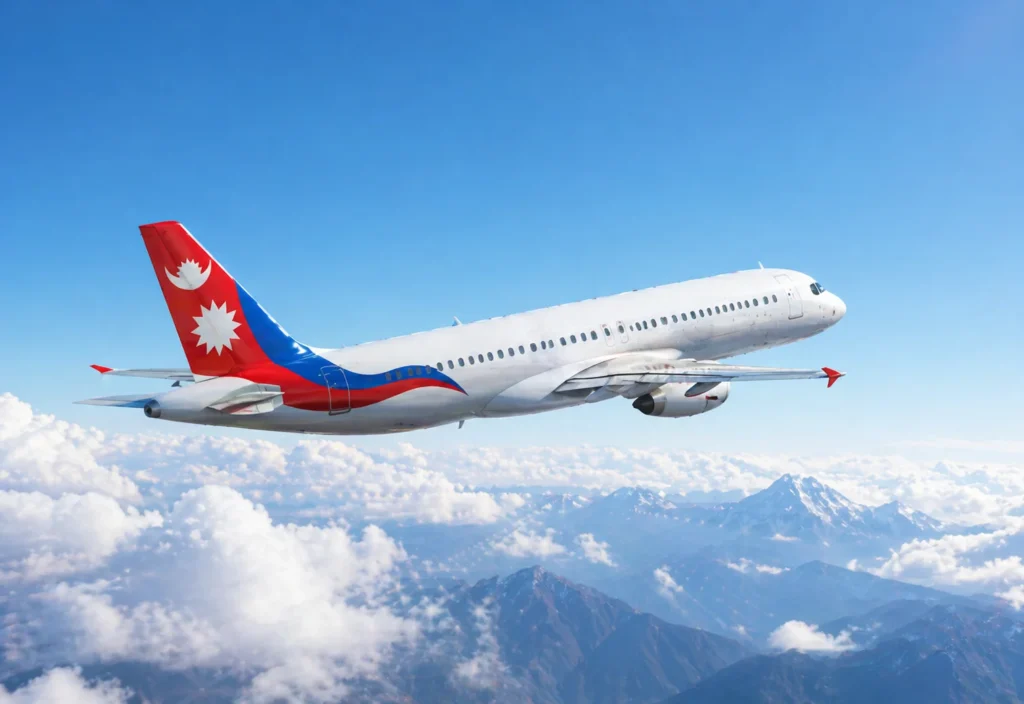
Nepal’s national carrier, Nepal Airlines, has issued a formal apology after a social media post featuring an inaccurate network map triggered widespread attention and concern across the region. The incident, which briefly circulated online, has highlighted the importance of accuracy in aviation communication and its potential impact on tourism sentiment and regional relationships.
The airline acknowledged that the map contained incorrect depictions of international boundaries and clarified that it did not reflect the official position of Nepal or the airline itself. According to the statement, the content was removed within hours of being published, and an internal review has been initiated to prevent similar issues in the future.
Officials from Nepal Airlines Corporation explained that the error stemmed from the use of an incorrect base map during the design process. The airline emphasized that the mistake was unintentional and reiterated its commitment to maintaining high standards of accuracy and professionalism in all public communications.
The incident gained rapid traction on social media platforms, drawing reactions from travelers and aviation observers, particularly in India. While the airline acted quickly to correct the mistake, the episode underscores how digital content can influence perceptions in the tourism sector, where trust and sensitivity to regional contexts play a vital role.
From a tourism perspective, the situation arrives at a time when regional travel between India and Nepal remains strong and continues to grow. The two countries share deep cultural, historical, and economic ties, supported by open borders and extensive people-to-people connections. These factors have long made Nepal a popular destination for Indian travelers seeking spiritual experiences, mountain tourism, and short-haul international getaways.
The foundation of this relationship is rooted in the 1950 Treaty of Peace and Friendship, which facilitates free movement of citizens and promotes close cooperation across multiple sectors, including tourism and aviation. This framework has enabled seamless travel between the two nations, contributing significantly to tourism flows on both sides.
India remains one of Nepal’s most important tourism source markets, with a large number of visitors traveling annually for pilgrimage, leisure, and business purposes. Destinations such as Kathmandu, Pokhara, and Lumbini continue to attract Indian tourists due to their accessibility and cultural significance. In turn, Nepal Airlines operates regular flights connecting Kathmandu with major Indian cities, supporting this steady exchange of travelers.
The airline’s network also extends to destinations in West Asia, Southeast Asia, and China, positioning Nepal as a growing hub for regional connectivity. As global travel demand rebounds, maintaining credibility and reliability in airline operations and communication becomes increasingly important for sustaining passenger confidence.
Tourism authorities in both countries have consistently emphasized the importance of strong bilateral ties in boosting visitor numbers and enhancing travel experiences. Government initiatives, infrastructure development, and promotional campaigns have all contributed to strengthening the tourism ecosystem in the region.
Economic cooperation further reinforces this partnership. According to official figures from Nepal’s finance ministry, India continues to play a leading role in supporting development projects across Nepal. These initiatives include infrastructure, connectivity, and community development programs that indirectly benefit the tourism sector by improving accessibility and visitor facilities.
The recent apology from Nepal Airlines reflects a broader awareness within the aviation industry about the sensitivity of geopolitical representations and their potential impact on brand reputation. Airlines operate in a highly interconnected global environment, where even minor inaccuracies can quickly escalate into larger concerns if not addressed promptly.
For travelers, the incident is unlikely to have a lasting impact on travel plans, especially given the swift corrective action taken by the airline. However, it serves as a reminder of the importance of accurate information in shaping travel decisions and perceptions of destinations.
Looking ahead, Nepal Airlines is expected to continue focusing on strengthening its operations and enhancing its service offerings. The airline’s commitment to reviewing its internal processes and ensuring accuracy in future communications is a positive step toward maintaining trust among passengers and stakeholders.
The tourism outlook between India and Nepal remains optimistic, supported by strong demand, cultural affinity, and convenient connectivity. As both countries continue to promote tourism and expand aviation links, maintaining clear and respectful communication will be essential in sustaining growth and fostering positive traveler experiences.
In an era where digital platforms play a central role in influencing travel trends, the aviation and tourism sectors are increasingly mindful of the need for precision and sensitivity. The recent episode involving Nepal Airlines highlights how quickly information can travel and how important it is for organizations to respond transparently and responsibly.
Ultimately, the swift apology and corrective measures demonstrate the airline’s recognition of its responsibility not only as a carrier but also as a representative of national identity in the global tourism landscape.