Philippines domestic travel is facing fresh pressure as higher airfares and sharply rising fuel expenses influence passenger demand, according to Philippine Airlines’ first-half 2026 performance.
The flag carrier generated total revenue of US$1.746 billion during the first six months of the year, up 5.9% from the same period in 2025. However, passenger numbers fell as higher ticket prices particularly affected travellers on domestic routes.
Philippine Airlines carried 8.2 million passengers during the period, down 3.1% year-on-year. Its passenger load factor declined from 81.6% to 78.9%, highlighting softer demand despite continued revenue growth.
For the Philippines tourism industry, the trend is significant. Domestic aviation provides essential connections across an archipelago where flying is often the fastest way to reach major leisure destinations, regional cities and island gateways.
Higher fares influence domestic travel demand
Philippine Airlines said higher fares had a greater effect on domestic passenger demand than on international travel.
Passenger revenue still increased 4.5% to US$1.47 billion, supported by stronger yields and fare adjustments.
However, higher ticket prices can influence how frequently Filipinos travel, when they book and which destinations they choose.
Domestic tourism depends heavily on affordable connections between Manila, Cebu and other regional gateways serving beaches, cultural destinations and major tourism centres.
When airfares increase, price-sensitive travellers may postpone trips, shorten holidays or look for alternative transportation where available.
The challenge for airlines is balancing affordability with the need to cover significantly higher operating expenses.
Fuel expenses rise sharply for Philippine Airlines
Fuel emerged as one of the biggest pressures on Philippine Airlines during the period.
Fuel expenses increased 48.2% year-on-year to US$674.5 million, forcing the airline to respond through fare adjustments, capacity management and changes to selected services.
Higher fuel prices can quickly influence airline economics because fuel represents one of the industry’s largest operating expenses.
For an archipelagic tourism market such as the Philippines, prolonged increases can have consequences beyond airline profitability.
More expensive flights can influence hotel demand, tourism spending and visitor movements between destinations that depend heavily on air access.
Despite these challenges, Philippine Airlines said its domestic operations remained profitable.
Capacity management supports aviation resilience
Philippine Airlines maintained Available Seat Kilometres at approximately 22.8 billion during the first half, while non-fuel expenses increased by a more moderate 4.1%.
The carrier adjusted schedules across selected domestic, regional and Middle Eastern routes while largely protecting its long-haul international network.
Such capacity management allows airlines to better align aircraft deployment with passenger demand and operating costs.
PAL also maintained a cash balance of US$456.3 million at the end of June, while free cash flow remained positive at US$135 million.
The financial position provides additional flexibility as the airline manages fuel volatility while continuing investments intended to strengthen its network.
International expansion supports tourism connectivity
Even as domestic demand faces affordability pressure, Philippine Airlines is continuing to invest in international connectivity.
The carrier received its second Airbus A350-1000 in May 2026, strengthening its long-haul fleet.
The aircraft has supported services connecting Manila with important North American markets, including New York and Toronto, while additional A350-1000 deployment is supporting the airline’s broader international strategy.
PAL has also expanded frequent-flyer cooperation with major international airline partners.
Meanwhile, its planned entry into the oneworld alliance represents another important step toward integrating the Philippines more deeply into global aviation networks.
These partnerships can support inbound tourism by connecting international travellers more easily with PAL’s extensive domestic network and Philippine leisure destinations.
Future fleet plans target long-term growth
Philippine Airlines is also planning substantial fleet expansion over the coming decade.
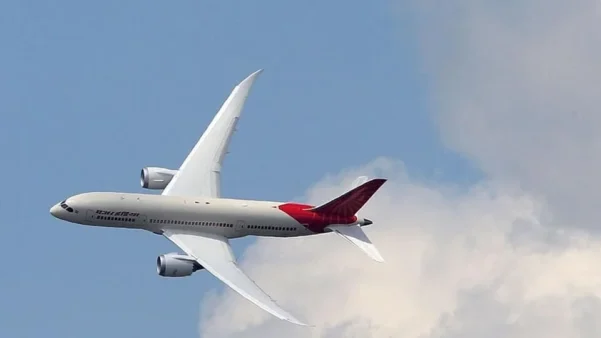
Its future aircraft strategy includes orders for Boeing 787-10 and additional Airbus A350-1000 aircraft, with deliveries extending into the 2030s.
New-generation aircraft can deliver greater fuel efficiency, improved passenger comfort and stronger long-haul capabilities.
For Philippine tourism, expanding international capacity can help bring more overseas visitors into Manila and other gateways before connecting them to destinations around the country.
Affordability remains critical for tourism growth
The outlook for Philippines domestic travel will depend heavily on fuel prices, inflation, consumer confidence and airline fare strategies.
International demand has remained comparatively resilient, while domestic passengers have shown greater sensitivity to higher prices.
That creates an important challenge for Philippine aviation.
Airlines need sustainable revenues to maintain reliable networks, yet affordable fares remain essential for stimulating domestic tourism and keeping island destinations accessible.
Philippine Airlines’ first-half performance demonstrates that revenue growth and passenger growth do not always move together.
As 2026 progresses, maintaining the balance between operating costs, affordable air travel and strong connectivity will be crucial for supporting domestic tourism across the Philippines.
For more travel news like this, keep reading Global Travel Wire