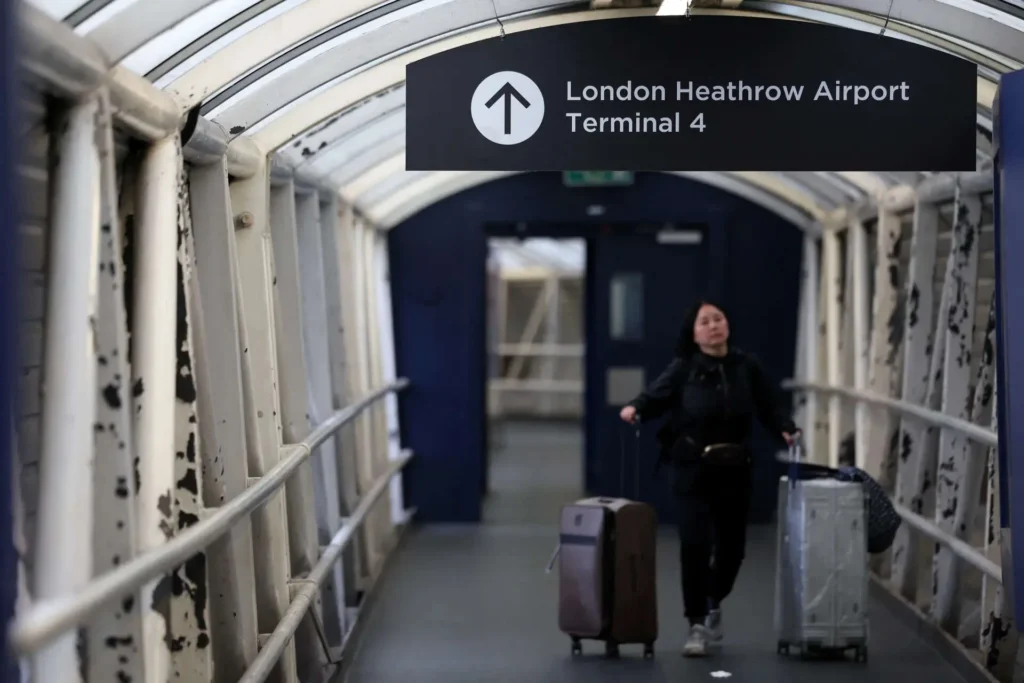
Heathrow Airport is reminding passengers to arrive at the appropriate time before departure as one of the world’s busiest international aviation hubs works to maintain smoother passenger movement and reduce unnecessary terminal congestion.
Under Heathrow’s current guidance, travellers should arrive at least two hours before a short-haul flight and three hours before a long-haul flight. The airport also advises passengers against turning up significantly earlier than necessary because excessive early arrivals can contribute to congestion.
The recommendations are particularly relevant during busy travel periods when thousands of passengers move through Heathrow’s terminals throughout the day.
For travellers, the message is straightforward. Arrive with enough time to complete check-in and security procedures, but avoid spending unnecessary additional hours inside the terminal.
Two hours recommended for short-haul flights
Passengers travelling on short-haul services should plan to reach Heathrow at least two hours before their scheduled departure.
Heathrow’s current travel guidance says this provides sufficient time for passengers to complete check-in, move through security and reach their departure area without having to arrive excessively early.
The airport’s separate check-in guidance similarly recommends two hours for passengers travelling domestically or to destinations in Europe.
For travellers, following these timings can make the departure experience more predictable.
Passengers should still check their airline’s individual requirements because check-in and baggage-drop deadlines can vary depending on the carrier, route and destination.
Planning transport to Heathrow is also important. Travellers using trains, buses, taxis or private vehicles should consider possible disruption before deciding when to leave for the airport.
Long-haul passengers should allow three hours
Passengers departing on long-haul international flights should arrive around three hours before departure.
Long-distance journeys can involve additional document checks, baggage requirements and airline procedures, making the longer arrival window useful for international travellers.
The three-hour recommendation gives passengers time to complete airport formalities without creating unnecessary pressure immediately before boarding.
However, arriving much earlier does not necessarily improve the travel experience.
Heathrow has specifically advised passengers during busy periods not to reach the airport significantly ahead of the recommended time because additional people waiting inside terminals can create avoidable congestion.
Early arrivals can increase terminal crowding
Many travellers traditionally arrive at major airports several hours earlier than necessary because of concerns about queues, security checks or unexpected transport problems.
While allowing adequate time is important, Heathrow’s guidance attempts to create a better balance.
If large numbers of passengers arrive considerably before their airline check-in facilities are available, they may remain in public terminal areas for extended periods.
This increases pressure on seating, restaurants, check-in areas and circulation spaces.
Coordinating passenger arrival more closely with flight departure times can therefore help distribute travellers throughout the day and support more efficient terminal operations.
For an airport with Heathrow’s international passenger volume, even relatively small changes in traveller behaviour can influence overall airport flow.
Preparation before leaving home remains important
The airport’s advice does not mean passengers should reduce preparation before flying.
Instead, travellers can complete several tasks before reaching Heathrow.
Passengers should check flight departure times, confirm which terminal they need, verify passports and other travel documents and review airline baggage requirements.
Heathrow also encourages passengers to monitor their flight and use digital tools to access airport information.
Travellers requiring special assistance should arrange support with their airline, tour operator or travel agent in advance where possible.
Completing these preparations can reduce uncertainty after reaching the terminal.
Busy travel periods make timing more important
Passenger arrival planning becomes particularly important during school holidays, weekends and major seasonal travel periods.
Heathrow reiterated the same two-hour short-haul and three-hour long-haul recommendation for the busy Easter 2026 period.
The airport said passengers should arrive in good time but asked travellers not to turn up significantly early because this can cause unnecessary congestion.
That approach reflects the operational challenge facing major international airports.
Airports must simultaneously handle check-in activity, security screening, retail areas, boarding operations and large numbers of arriving and connecting passengers.
Better distribution of departing passengers can help reduce pressure across those systems.
Heathrow travellers should follow flight-specific advice
Passengers should remember that Heathrow’s timings represent general airport recommendations.
Individual airlines may provide different instructions depending on the destination or operational requirements, and passengers should follow any specific guidance provided by their carrier.
Travellers should also adjust their journey if transport disruption could delay their arrival at Heathrow.
The objective is not to encourage passengers to arrive late. Instead, Heathrow is promoting more precise travel planning.
For passengers, arriving around two hours before short-haul departures and three hours before long-haul services provides a practical starting point.
As international passenger demand remains strong, following Heathrow Airport travel guidance can help travellers reduce unnecessary waiting while supporting smoother movement through one of the world’s most important global aviation gateways.
For more travel news like this, keep reading Global Travel Wire