Global commercial aviation is navigating a complex financial storm as volatile energy markets and regional geopolitical friction push international crude benchmarks to elevated heights. Surging fuel costs have sparked renewed concern among market analysts and aviation stakeholders, forcing major international air carriers from Delta Air Lines to Lufthansa Group to re-evaluate their annual operating budgets and profit expectations. With Brent crude scaling past $100 a barrel for the first time since mid-2022 and U.S. West Texas Intermediate trading comfortably in the mid-$90s, the elevated energy environment is exerting pressure across the travel sector.
The global airline industry entered the year on strong footings following robust post-pandemic passenger recovery. However, the recent price escalation in key oil supply channels has added unexpected friction. On financial exchanges worldwide, broad stock indices experienced downward adjustments as equity traders calculated the cascading costs of sustained energy inflation. Airline equity valuations, which enjoyed positive momentum throughout the peak summer travel window, face heightened scrutiny as institutional investors assess whether air carriers can pass higher operational expenses to consumer ticket prices without dampening international flight demand.
Institutional banking groups and commodity research divisions have adjusted their mid-term energy baseline models upward. Market consensus indicates that Brent crude could average between $80 and $90 a barrel through the second half of the current decade. This upward shift signals a long-term elevated fuel bill for aviation enterprises, contrasting with the lower energy expenditure baselines projected earlier in annual strategic plans.
Industry Profitability Forecasts Recalibrated
Official financial updates from the International Air Transport Association emphasize the heavy impact of these cost increases on global commercial aviation metrics. Revised industry-wide economics briefings show that global net profits for the air travel sector could contract significantly this year compared to previous estimates. Jet fuel spending is now projected to exceed $150 per barrel on average, driven by tight refining margins and elevated crude benchmarks.
According to official International Air Transport Association reports, fuel expenses are projected to account for approximately 31.4 percent of overall airline operating expenditures, representing roughly $350 billion in total industry spending. This significant allocation narrows profit margins, leaving carriers with limited financial buffer to navigate unexpected operational shocks even when passenger load factors remain near record highs. Compounding the fuel challenge, commercial operators face rising crew wage commitments and ongoing global supply chain delays in receiving new aircraft and replacement components.
To offset cost pressures, airlines around the globe are adjusting passenger fares and maximizing non-ticket revenue avenues. Official industry monitoring reveals that average unit revenues have outpaced base passenger growth as commercial carriers try to recover rising jet fuel expenditures. While premium leisure and business travel travel demand continues to demonstrate resilience, economists note that price increases could test consumer spending limits if elevated airfares persist into upcoming travel cycles.
U.S. Carriers Navigate Equity and Cost Headwinds
In North America, major legacy carriers like Delta Air Lines are serving as focal points for assessing equity market resilience. Delta’s stock equity performance reflects wider market movements as institutional analysts track changes in aviation fuel futures. Upward cost adjustments across domestic flight networks have prompted financial researchers to revise corporate earnings predictions downward for major U.S. carriers.
While major U.S. air operators enter this volatile period with healthier balance sheets and enhanced liquidity compared to pre-pandemic periods, broader economic factors create additional pressure. American consumers are simultaneously confronting higher prices at automotive pumps alongside general living costs. Financial advisory briefings tracking transport sectors indicate that while balance sheet cushions remain functional, credit markets maintain strict standards regarding debt management, making cost control a central priority for corporate aviation management.
European Operators Lean on Hedging Frameworks
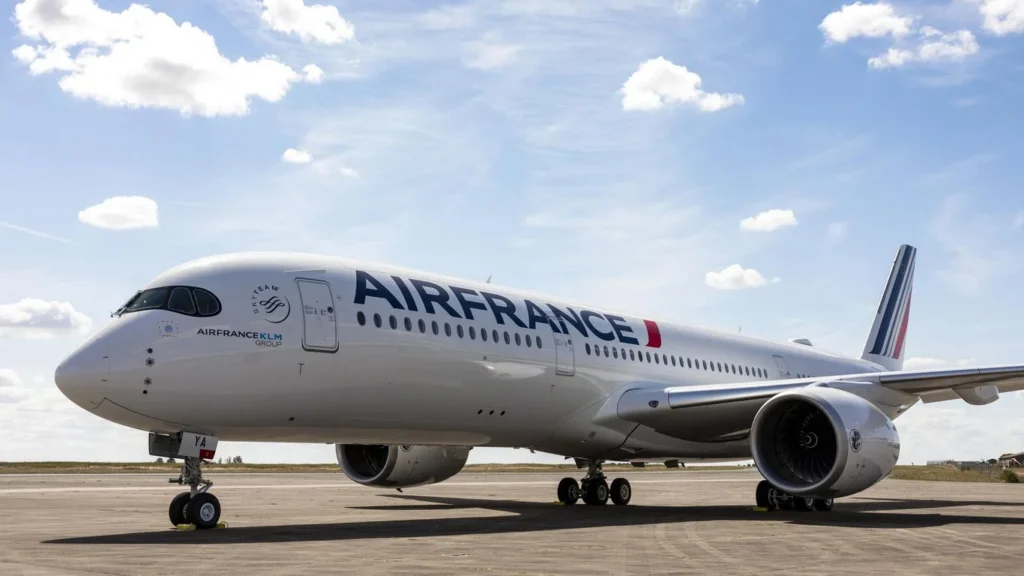
Across the Atlantic, European aviation conglomerates are utilizing derivative risk management programs to manage short-term fuel shocks. Official corporate disclosures show that Lufthansa Group has covered roughly 80 percent of its annual kerosene requirements using derivative contracts. Similarly, major European groupings including International Airlines Group and Air France-KLM report significant fuel hedge ratios for the current year.
Despite these financial hedging strategies, European airline executives acknowledge in formal shareholder reports that rising energy costs exert notable pressure on operating margins. Operational updates from European carriers highlight that even with active hedging programs, a 10 percent shift in baseline kerosene prices represents hundreds of millions of euros in additional annual operational expenses.
Concurrently, European commercial aviation continues to consolidate around major corporate pillars, including International Airlines Group, Lufthansa Group, Air France-KLM, and low-cost operator Ryanair. Industry analysts note that this market consolidation helps maintain network stability and fare pricing power, yet it leaves long-haul and regional travelers exposed to structurally higher ticket prices if fuel market volatility persists over the long term.
Balancing Fuel Efficiency and Long-Term Sustainability Goals
The current energy spike is driving global airlines to balance short-term expense control with long-term climate commitments. International Air Transport Association surveys indicate that over 90 percent of commercial airlines consider fleet fuel efficiency a top operational priority. Operators are accelerating capital allocations toward lightweight modern aircraft, optimized flight path planning, and streamlined ground procedures to minimize unnecessary fuel burn.
Simultaneously, air carriers face international targets to expand their usage of Sustainable Aviation Fuel. Official aviation forecasts indicate that Sustainable Aviation Fuel will account for under 1 percent of global jet fuel usage this year, yet its substantial price premium over conventional jet fuel will add over $4 billion to total industry operating expenses. For aviation investors and industry leadership, this dynamic highlights that achieving long-term sustainability while maintaining stable profit margins remains an intricate challenge amid shifting energy dynamics.
For more travel news like this, keep reading Global Travel Wire