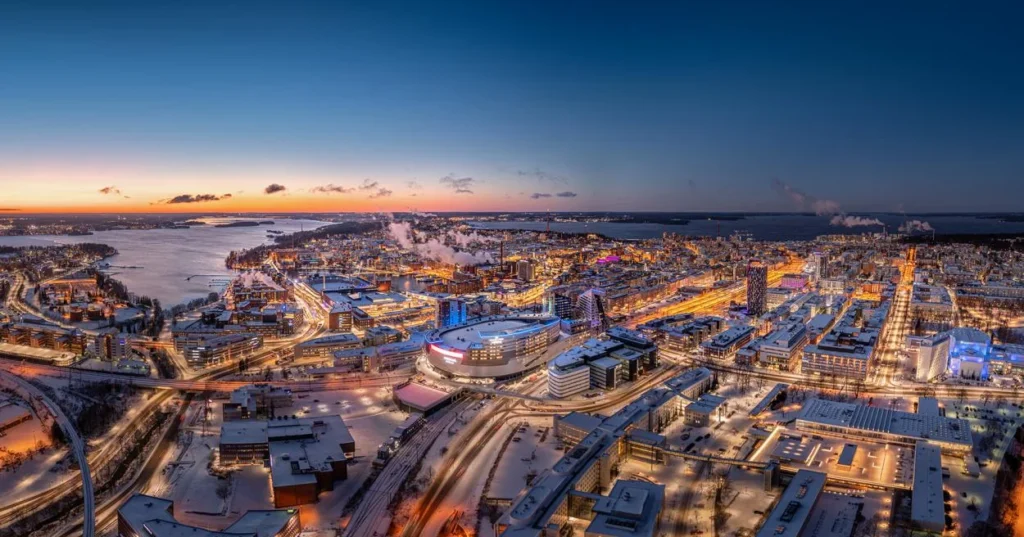
Finland is strengthening its reputation for intelligent and sustainable travel as Tampere celebrates its year as the 2026 European Capital of Smart Tourism.
The programme formally began in March after Tampere secured the title in a European competition involving more than 50 destinations from 22 countries. The city was recognised across accessibility, sustainability, digitalisation, and cultural heritage and creativity.
For visitors, the title brings together practical services already shaping travel in Tampere. These include mobile cultural routes, digital maps, accessible public transport, interactive history projects and seasonal connections to nearby national parks.
The recognition does not change Finland’s visa, passport or border requirements. Its immediate value lies in making attractions, events and nature easier to discover while helping local businesses prepare for changing visitor demand.
Tampere’s programme demonstrates that smart tourism involves more than a single application. It connects technology with transport, accessibility, environmental policy and cultural interpretation.
Digital tools improve city exploration
The Tampere.Finland application gives travellers access to destination information, recommendations, offers and themed routes.
Visitors can explore locations associated with the city’s ice hockey culture or learn about sites connected to the Finnish Civil War of 1918. A separate cultural map highlights attractions, events, tourism services and suggested routes.
The Tampere 1918 digital project uses three-dimensional environments and interactive features to interpret a difficult period of Finnish history. It adds context before or during a visit without replacing museums, guides or physical heritage sites.
These services can help travellers organise a more informed city break. They may also support visitors who cannot access every physical attraction, although digital availability does not remove the need for accessible buildings and personal assistance.
Technology is therefore used as a practical layer within the destination rather than as an attraction by itself.
Tourism data supports local businesses
Tampere’s Pulssi service uses anonymised information to help city-centre businesses anticipate changing demand around major events.
Hotels, restaurants and shops can use these insights when considering staffing, stock and opening hours. Better preparation may reduce pressure during busy periods and improve service for visitors.
However, data supports decisions rather than guaranteeing financial results. No official assessment has yet established that the smart tourism title has directly increased arrivals, hotel occupancy, visitor spending or employment.
That distinction is important. Tampere’s achievement currently reflects improved destination management, while its full commercial impact will require longer-term measurement.
Accessible transport opens the destination
Accessibility formed another major part of Tampere’s successful bid. The city’s tram system provides step-free urban mobility, while selected event tickets can include travel on local Nysse public transport.
This integration can simplify movement between stations, accommodation and event venues. It also reduces the need for visitors to arrange separate transport purchases.
The city and surrounding region offer documented barrier-free nature routes. Pyynikki beach also provides accessibility features designed to help more people enjoy Tampere’s lakeside environment.
Travellers should still examine individual route details before visiting. Terrain, weather and equipment requirements can affect whether a site is suitable for a particular mobility or sensory need.
Tampere’s approach combines digital accessibility information with physical infrastructure. This gives visitors a stronger basis for making informed travel choices.
Seasonal buses connect city and wilderness
The Outdoor Express bus service links central Tampere with Seitseminen, Helvetinjärvi and Isojärvi national parks during summer weekends.
These services make Finnish nature accessible to travellers who do not hire a car. Visitors can stay in the city while adding forests, lakes, gorges and hiking trails to their itinerary.
The buses also support lower-car tourism and distribute visitor activity beyond the urban centre. Rural businesses may benefit when travellers purchase food, accommodation or other services near outdoor destinations.
However, Outdoor Express is seasonal rather than a permanent year-round connection. Travellers must confirm current operating dates, departure times and accessibility information before planning a journey.
Climate policy guides tourism development
Tampere aims to become climate neutral by 2030. Its official target requires an 80% reduction in greenhouse gas emissions from 1990 levels, with remaining emissions addressed through compensation.
The city’s climate roadmap contains hundreds of actions involving mobility, energy, buildings, consumption, urban planning and nature. Tourism represents only one component of this wider strategy.
Still, visitors benefit from measures such as accessible trams, lower-emission buses, urban nature protection and energy-efficient services.
The Think Sustainably tool also helps participating tourism businesses assess and communicate their environmental work. Stronger requirements for certified claims could give travellers more reliable information when choosing accommodation, restaurants and experiences.
Finland offers a European tourism model
Tampere’s title year will continue through training, international cooperation and tourism events. A low-carbon tourism forum scheduled for 22 September will examine ways destinations can reduce tourism-related emissions.
The city’s longer-term climate and biodiversity programmes extend to 2030, giving many initiatives a life beyond the award year.
Visitors do not need to change their entry arrangements or use digital services compulsorily. Instead, they gain additional tools for navigating culture, transport, events and nature.
Tampere’s greatest achievement is its integration of these services. By connecting technology with genuine visitor and resident needs, the Finnish city offers a practical model for smarter tourism across Europe.
For more travel news like this, keep reading Global Travel Wire