The landscape of aviation in West Africa is undergoing a significant shift toward customer-centric operations. In a decisive move to elevate service delivery, the Federal Airports Authority of Nigeria (FAAN) has officially called upon all international airlines operating within the country to drastically strengthen their protocol services. The directive aims to streamline passenger facilitation and guarantee a seamless, stress-free pre-boarding experience for global travelers.
This strategic push for operational excellence was the central focus of a high-level interactive session convened at the Murtala Muhammed International Airport (MMIA) in Lagos. The meeting brought together key aviation stakeholders, led by FAAN’s Director of Public Affairs and Consumer Protection, Mr. Henry Agbebire, and prominent members of the International Airlines Association of Nigeria (IAAN).
Fostering Collaboration for World-Class Aviation
According to official statements released by the authority, the engagement serves as a vital platform to bridge operational gaps between the government agency and commercial carriers. Agbebire characterized the assembly as a lively, constructive dialogue designed to yield mutual benefits for the airlines, the regulatory body, and, most importantly, the traveling public.
The primary objective of the initiative is to establish a more robust working relationship between FAAN’s Department of Protocol and Passages and international airline operators. By synchronizing protocol standards, the authority intends to eliminate bottlenecks that frequently hinder passenger movement from the terminal entrance to the boarding gates. FAAN emphasized that achieving world-class status across Nigerian airports requires a shared responsibility, where airlines must match the government’s infrastructure investments with impeccable customer service.
Addressing Infrastructure and Airside Challenges
During the roundtable discussions, airline representatives vocalized several critical operational hurdles currently impacting their daily schedules and customer satisfaction levels. As major airports across Nigeria undergo extensive modernization, the temporary disruptions caused by physical upgrades emerged as a primary concern.
The international carriers highlighted several specific pain points, including:
Inadequate terminal directional signage navigating passengers through ongoing landside construction zones.
An insufficient number of operational lifts and elevators, which impacts mobility within the multi-level terminals.
Logistical bottlenecks surrounding airport shuttle bus services connecting various terminals.
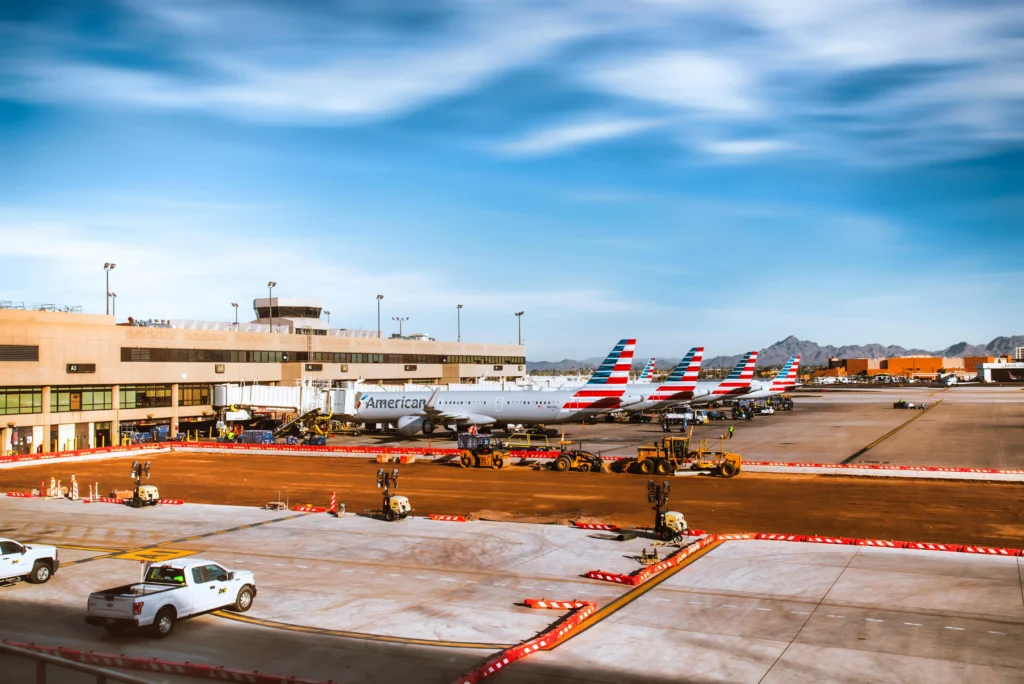
Faded or obstructed airside ramp markings resulting from active airfield construction activities, posing minor tactical challenges for ground handling crews.
The airlines stressed that addressing these localized infrastructure deficits is essential to unlocking a truly premium customer experience and maintaining strict on-time performance metrics.
Government Commits to Rapid Resolution and Upgrades
In response to the feedback from the International Airlines Association, FAAN reassured the aviation community that every complaint, observation, and recommendation would be thoroughly reviewed. The authority confirmed that actionable plans are already being deployed to resolve the highlighted issues, particularly those concerning construction signage and airside logistics.
This interactive engagement aligns with a broader, multi-phase modernization agenda currently being executed by the Federal Ministry of Aviation and Aerospace Development. The government has recently initiated several landmark policies aimed at transforming Nigerian airports into competitive regional hubs.
Among these initiatives is the nationwide deployment of advanced security technologies specifically designed to meet and exceed the stringent standards set by the International Civil Aviation Organization (ICAO). By automating security screening and checkpoint protocols, the authority aims to reduce transit times while enhancing national border security.
A Modern, Inclusive, and Cashless Aviation Ecosystem
FAAN’s drive to improve the passenger experience extends beyond structural renovations. The authority is actively enforcing strict anti-discrimination policies to ensure that all terminals remain accessible, inclusive, and welcoming to passengers with disabilities. Operational guidelines have been updated to hold airport concessionaires and commercial vendors to the highest standards of civil conduct, ensuring a dignified environment for every traveler.
Furthermore, a comprehensive cashless policy is being integrated across major airport terminals. This digital transition is designed to boost aeronautical and non-aeronautical revenue transparency while eliminating manual transaction delays. For international travelers, the introduction of digital payment ecosystems means faster access to parking, lounges, and terminal retail services.
As terminal expansions and airside upgrades near completion, the collaborative efforts between FAAN and international airlines signify a turning point for aviation tourism in West Africa. By addressing immediate operational friction points and holding commercial carriers accountable for premium protocol services, Nigeria is positioning its air gateways to deliver an optimized, world-class journey for millions of annual passengers.
For more travel news like this, keep reading Global Travel Wire