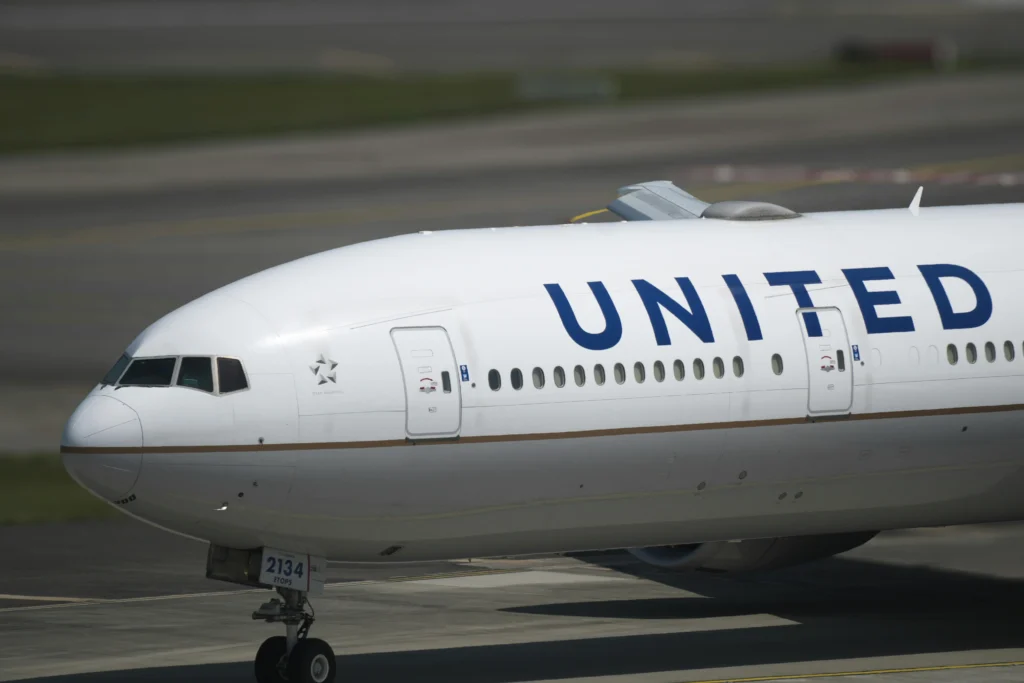
In February 2026, U.S. airline passenger traffic reflected a positive trend, growing by 1.5% compared to February of the previous year. According to official data from the Bureau of Transportation Statistics (BTS), U.S. airlines transported a total of 68.2 million passengers in February, encompassing both domestic and international routes.
In a sign of tourism recovery, the domestic market accounted for 59.2 million passengers, while international flights carried 9 million travelers. This growth is seen as an encouraging signal for both tourism operators and hospitality businesses. The rise in airline traffic coincides with growing consumer confidence and increased demand for both domestic vacations and international getaways.
Domestic and International Trends
Breaking down the data further, domestic air travel remains the backbone of U.S. airline traffic, with over 59 million passengers flying within the country. Though February is typically a quieter month, this steady growth reflects an upward trajectory. International travel, at 9 million passengers, also shows signs of resilience. While international numbers remain slightly below the pre-pandemic highs, the steady increase signals that international tourism is steadily regaining momentum.
Seasonal Adjustments and Long-Term Trends
When adjusted for seasonality, February’s enplanements reached 81.6 million. This figure is slightly down from the all-time peak recorded in June 2024, but it represents a strong recovery path. The domestic market, seasonally adjusted, reached 70.6 million, while international enplanements stood at 10.94 million. These numbers emphasize the cyclical nature of air travel while showing that the industry is nearing pre-pandemic performance levels.
For tourism businesses, these trends indicate that demand for travel services, such as accommodations and attractions, will likely keep increasing as both domestic and international travelers return to the skies.
What This Means for Tourism Recovery
The steady rise in passenger traffic is a positive indicator for the broader tourism sector. Airlines play a critical role in connecting travelers to destinations, and increased air traffic often precedes stronger demand for hotels, tours, and local attractions.
Destinations across the U.S. are likely to benefit from this upward trend. Popular domestic regions, from coastal getaways to national parks, are expected to see increased bookings. Similarly, international travel growth means more overseas visitors are heading to U.S. cities, cultural landmarks,