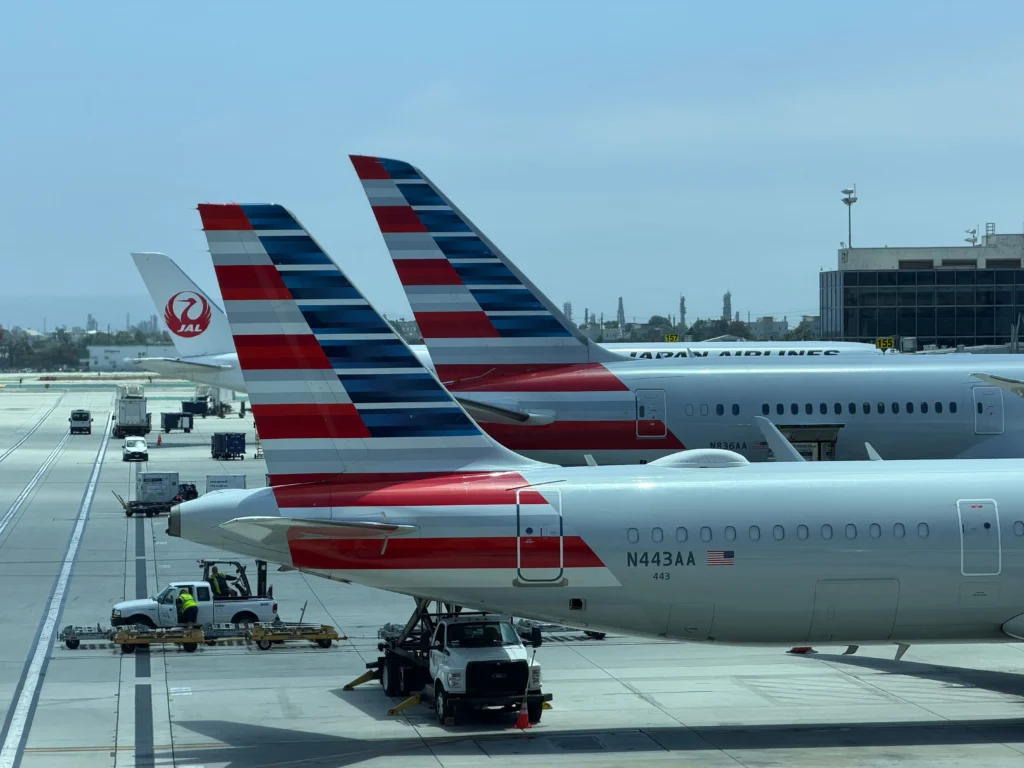
Navigating the skies across North America has become increasingly complex as a continuous series of operational logjams impacts major commercial air carriers. According to official statistical updates distributed through flight tracking networks and aviation department data, the domestic transportation grid is experiencing widespread US airport flight disruptions. A combination of air traffic control staffing constraints, tight airline banking structures, and localized infrastructure maintenance has introduced significant scheduling friction, causing multi-hour delays and selective cancellations across the country’s most critical travel corridors.
Aviation monitoring systems confirmed that cumulative scheduling modifications impacted thousands of travelers on a single operating day. Across the federal system, total single-day metrics reached 84 total cancellations and 4,421 documented flight delays. Legacy operators, including United Airlines and Southwest Airlines, along with regional feeder networks and low-cost carriers, are working to stabilize their networks as cascading scheduling issues ripple outward from dense geographical pressure points.
Analyzing Regional Friction Zones and Major Terminal Operations
The structural challenges facing the commercial aviation system are most visible within high-volume connecting facilities. Federal Aviation Administration (FAA) data highlights how operational constraints at primary mega-hubs quickly manifest as systemic bottlenecks throughout interconnected domestic routes.
In the Midwest, Chicago O’Hare International Airport (ORD) emerged as a central point of network strain, managing a substantial volume of scheduling modifications. Tracking logs indicated 807 flight delays alongside 9 structural cancellations, placing significant pressure on United and American routing structures. Concurrently, West Coast operations faced independent capacity limits. Los Angeles International Airport (LAX) registered 174 delays and 5 complete flight cancellations, creating logistical challenges for long-haul passengers transferring onto outbound Pacific and intercontinental itineraries.
The East Coast aviation corridor faced parallel operational headwinds, primarily driven by infrastructure demand and technical constraints. Boston Logan International Airport (BOS) recorded 108 delays and 6 cancellations, interrupting regional flows and connections to transatlantic corridors. Within the New York metropolitan airspace, LaGuardia Airport (LGA) absorbed 91 delays and 5 cancellations. This pressure extended to smaller regional alternatives, with Teterboro Airport (TEB) and Westchester County Airport (HPN) logging 12 and 4 cancellations respectively as authorities adjusted regional arrival capacities.
Tracking Southern Hub Performance and Nationwide Data Metrics
The accumulative impact of these operational strains extended deeply into Southern transit gateways, proving that capacity challenges are highly interconnected across distinct time zones. Miami International Airport (MIA) experienced 133 delays and 5 cancellations, altering timetables for Caribbean and Latin American sectors. Texas transit links faced identical challenges, with Houston’s George Bush Intercontinental Airport (IAH) logging 175 delays and 2 cancellations.
To map the exact scope of these operational realities, official system parameters can be reviewed across the following data summaries:
Single-Day Domestic Carrier Disruption Summary
United Airlines: 20 Cancelled Flights | 565 Delayed Flights
Southwest Airlines: 7 Cancelled Flights | 919 Delayed Flights
Nationwide Sector Total: 84 Cancelled Flights | 4,421 Delayed Flights
Key Airport Operations Tracking
Chicago O’Hare (ORD): 9 Cancelled Flights | 807 Delayed Flights
San Francisco (SFO): 0 Cancelled Flights | 240 Delayed Flights
Houston Bush (IAH): 2 Cancelled Flights | 175 Delayed Flights
Los Angeles (LAX): 5 Cancelled Flights | 174 Delayed Flights
Miami (MIA): 5 Cancelled Flights | 133 Delayed Flights
Denver (DEN): 0 Cancelled Flights | 115 Delayed Flights
Boston Logan (BOS): 6 Cancelled Flights | 108 Delayed Flights
LaGuardia (LGA): 5 Cancelled Flights | 91 Delayed Flights
Minneapolis-St Paul (MSP): 0 Cancelled Flights | 59 Delayed Flights
Anchorage (ANC): 0 Cancelled Flights | 51 Delayed Flights
Strategic Airspace Management and Institutional Passenger Rights
Industrial analysis from transportation boards indicates that mitigating the impact of unexpected capacity limits requires an analytical overhaul of traditional fleet deployment. Modern commercial airlines rely heavily on synchronized aircraft turnaround windows. When single departures are pushed past their allotted time slots due to gate holds or runway maintenance programs, the assigned aircraft carries that delay into subsequent flight legs, creating an inescapable loop of late arrivals.
To protect consumer interests during extended scheduling friction, the U.S. Department of Transportation (DOT) enforces clear consumer protection guidelines. Under existing federal mandates, if a carrier cancels a flight or introduces a significant schedule change and the passenger chooses not to travel, the airline is legally obligated to provide a full cash refund rather than a generic travel voucher. Furthermore, for delays stemming from controllable operational causes, major airlines are bound by their customer service commitments to provide meal vouchers and overnight hotel accommodations where applicable.
Practical Advice for Modern Air Travelers
As airlines implement real-time rebooking algorithms to navigate system-wide strain, international and domestic passengers must take proactive steps to secure their itineraries. Travel authorities recommend utilizing mobile airline applications as the primary tool for itinerary management, as these platforms receive direct updates faster than terminal display boards.
Before departing for a primary hub, checking active airport status boards through official FAA communication portals can reveal ground delay programs before boarding begins. For those traveling on high-stakes international vacations, securing comprehensive travel insurance policies that feature robust trip interruption benefits remains an essential precaution to fully insulate household budgets from unexpected accommodation costs.
For more travel news like this, keep reading Global Travel Wire