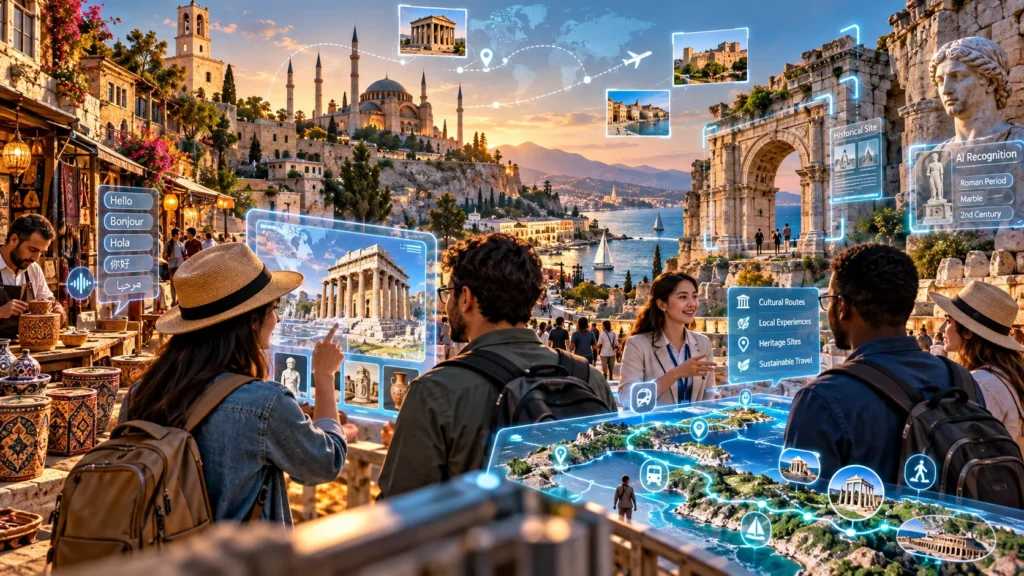
Public sector representatives, judicial dignitaries, hospitality leaders, and regional commerce authorities convened to deliberate on a comprehensive digital roadmap designed to modernize destination marketing and operational efficiency. Organized under the theme “Digital Agenda and Artificial Intelligence to Redesign Tourism,” the official forum focused on deploying artificial intelligence, digital promotion channels, smart information portals, and social media platforms to elevate visitor satisfaction and showcase cultural destinations worldwide.
Addresses delivered by judicial and administrative leadership emphasized the imperative of utilizing advanced digital infrastructure to showcase religious, spiritual, historical, and architectural assets. Official statements noted that integrating modern digital platforms allows heritage destinations to reach broader domestic and international demographics, ensuring seamless navigation and enriched cultural context for arriving travelers.
Delegates representing industrial associations, hotel federations, and regional enterprise boards conducted structured sessions analyzing AI implementation, digital publicity campaigns, enhanced municipal tourist amenities, and the global marketing of localized artisan products.
Tourism Footfall and Digital Ecosystem Integration
Official tourism statistics highlight rapid growth across key cultural and religious corridors. Between January and August, Prayagraj recorded more than 23.71 crore (237.1 million) domestic and international tourist arrivals. This sustained influx underscores the central role of major spiritual gatherings, cultural festivals, and heritage circuits in driving regional tourism growth.
To support this volume, stakeholders outlined key priorities for embedding artificial intelligence and digital services across the regional travel ecosystem:
Digital Tourist Information Hubs: Transitioning physical visitor centers into interactive, AI-powered digital hubs offering real-time transit schedules, mapping assistance, and digital event guides.
AI-Enhanced Hospitality Portals: Encouraging hotel chains and independent lodging providers to integrate dynamic virtual tours, digital attraction showcases, and automated concierge systems into online booking engines.
Real-Time Crowd and Event Analytics: Expanding digital crowd monitoring frameworks—originally deployed during major pilgrimage events—to regulate footfall traffic at prominent ghats, riverbanks, and historical monuments.
Multilingual Voice Translation and Digital Guides: Deploying AI-powered multilingual voice translation tools and certified digital guide applications to assist non-Hindi-speaking domestic visitors and international travelers.
Strategic Pillars of the Digital Tourism Roadmap
| Objective | Digital & AI Implementation | Expected Impact |
| Heritage & Cultural Outreach | Immersive digital marketing, AR/VR virtual tours of sacred ghats and monuments | Higher international visibility and engagement for cultural sites |
| Hospitality Modernization | Integrated booking portals, digital property previews, automated service requests | Streamlined booking processes and increased average length of stay |
| Accessibility & Logistics | AI voice translators, multilingual digital guides, smart transit information | Frictionless navigation for international and non-native language visitors |
| Local Economic Growth | Digital cataloging of regional craft industries and local tourism experiences | Direct commercial visibility for local artisans and tour operators |
Aligning Public Infrastructure with Smart Tourism Initiatives
Industry representatives emphasized that while physical infrastructure—such as elevated roadways, bypass networks, and railway station upgrades—has successfully reduced travel congestion, digital infrastructure must receive equal prioritization. Promoting specific cultural highlights, including traditional evening riverbank aarti ceremonies, regional performing arts, and local heritage trails, requires synchronized digital campaigns across municipal, state, and private channels.
Connecting travel operators, accommodation providers, certified guides, local craft vendors, and government tourist information centers into a unified digital framework forms the core objective of the newly proposed roadmap. By streamlining public access to verified travel data, regional tourism authorities aim to establish a secure, accessible, and technologically advanced travel destination capable of sustaining long-term international footfall growth.
For more travel news like this, keep reading Global Travel Wire