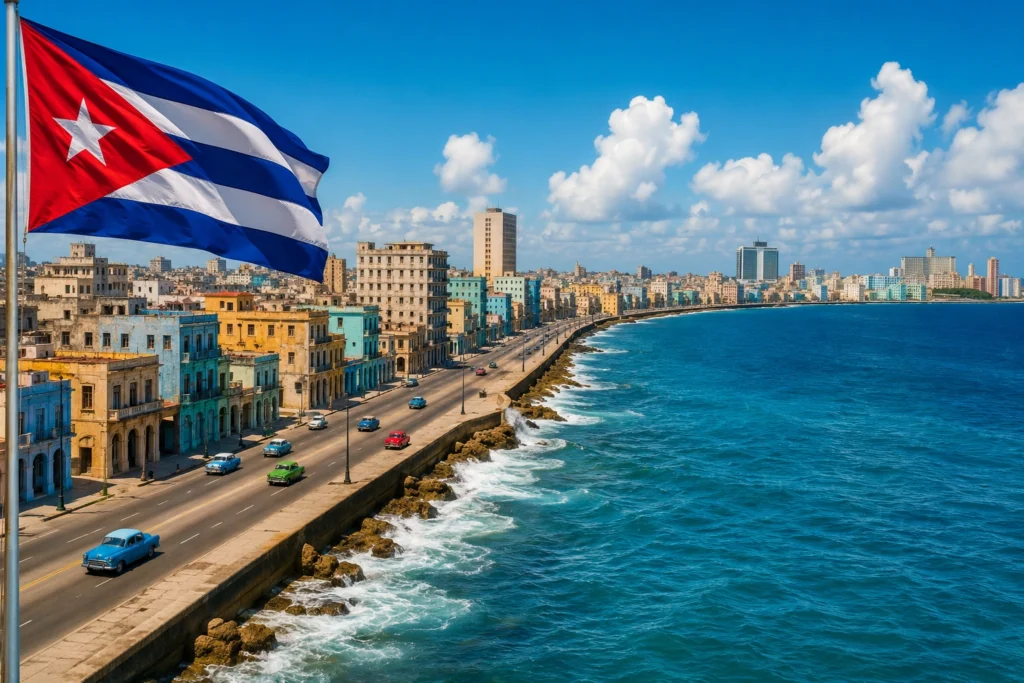
The Government of The Bahamas has advised citizens to avoid all non-essential travel to Cuba as shortages of fuel, unreliable electricity and disruption to basic services create growing uncertainty for travelers across the island.
The official advisory, issued on June 5, 2026, warns that challenges affecting electricity supply, transportation and access to basic goods and services could disrupt daily life, including in Havana. Bahamian nationals already in Cuba or planning essential travel have been urged to remain cautious, monitor local conditions and prepare for rapid changes.
The warning adds to a wider shift in official travel advice as Cuba faces sustained pressure on infrastructure. For the tourism industry, the disruption could affect airlines, hotels, tour operators and visitors planning Caribbean itineraries that depend on reliable transport, communications and payment systems.
Power and Fuel Shortages Affect Tourism Operations
Persistent power outages and fuel shortages are placing pressure on essential services across Cuba. Official travel guidance indicates that disruptions may affect transportation, medical care and communications, making it harder for visitors to plan journeys with confidence.
Fuel rationing and reduced public services have also affected tourism operations. Travelers may encounter changes to transport schedules, limited mobility and difficulty accessing everyday services. Power cuts can disrupt hotel facilities, internet access, mobile phone charging and card payment systems, creating additional challenges for independent travelers.
Visitors are advised to keep devices charged, conserve water and prepare for possible delays. Travelers with medical needs should also consider how prolonged outages could affect access to equipment, medication storage or emergency support.
Flight Options Could Become More Limited
Aviation disruption is one of the most significant concerns for travelers. Official guidance indicates that Cuba’s international airports are without aviation fuel, while some airlines have suspended or reduced services.
José Martí International Airport in Havana has also experienced operational changes, including the closure of Terminal 2 and the diversion of affected services to Terminal 3. Travelers using Havana as an arrival point, departure hub or connection point should check directly with their airline before leaving for the airport.
Reduced flight capacity could make it more difficult for visitors to change plans quickly if conditions worsen. Tourists with flexible tickets, travel insurance and contingency funds may be better positioned to respond to schedule changes.
International Card Payments Suspended in Cuba
Travelers should also prepare for major financial limitations. International Visa and Mastercard transactions were suspended in Cuba from June 6, 2026, according to official guidance.
Foreign visitors should not expect to use international credit or debit cards for purchases or cash withdrawals. The Bahamas advisory recommends carrying sufficient cash in US dollars or euros for the entire stay and exchanging money only at authorized banks, airports, hotels or official exchange offices.
Travelers must declare cash amounts exceeding the equivalent of US$5,000 when entering or leaving Cuba. Visitors should also take care when carrying large sums and confirm payment arrangements with hotels and tour providers before departure.
Entry Requirements Remain in Force
Bahamian nationals traveling to Cuba must carry a passport valid for at least six months from the date of entry. A return or onward ticket is required, and proof of accommodation may be requested.
Travelers must also complete the online D’Viajeros health and travel declaration before arrival and present the generated QR code to immigration authorities. A visa is required for entry and generally allows a stay of up to 90 days.
Visitors should comply strictly with immigration rules, as overstaying an authorized period may result in fines or detention.
Travelers Advised to Avoid Protests and Large Gatherings
Official guidance also warns travelers to avoid demonstrations and large gatherings. Public protests may occur with little notice and could escalate unexpectedly.
Visitors should follow instructions from local authorities, carry identification and remain alert in areas with a visible police or military presence. Monitoring official updates is especially important when transport, communications and public services are under pressure.
Tourism Businesses Face Growing Uncertainty
The current situation could affect Cuba’s tourism economy at multiple levels. Airlines may need to adjust capacity, hotels may face service disruptions and tour operators may need to revise transfers, excursions and arrival schedules.
For travelers, the key message is clear: non-essential travel should be postponed. Those already in Cuba should remain flexible, monitor airline updates and prepare for limited transport, reduced payment options and sudden operational changes.
For more travel news like this, keep reading Global Travel Wire