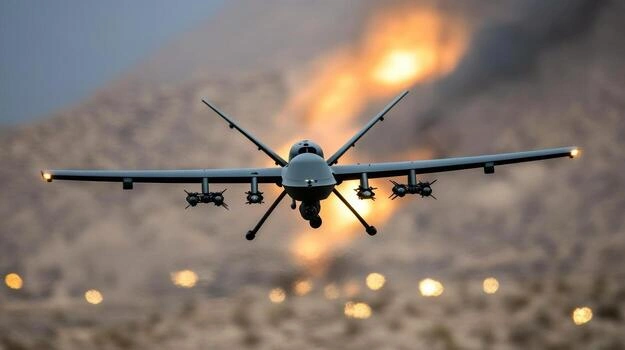
Drone and missile threats affecting Bahrain, Kuwait and surrounding areas are creating immediate disruption across Middle Eastern aviation, forcing airlines to suspend selected services and warning passengers to prepare for sudden schedule changes.
The U.S. Embassy in Jerusalem warned on July 24, 2026, that heightened regional tensions could lead to flight cancellations, periodic airspace closures and wider travel disruption. It advised Americans in the Middle East to remain vigilant, keep a low profile and monitor airport and airline operations closely.
The alert has wider significance because Gulf aviation hubs connect millions of passengers travelling between Asia, Europe, Africa and the Americas. Even limited closures involving Bahrain or Kuwait can affect aircraft rotations, connecting itineraries and regional flight schedules.
Bahrain faces heightened security warnings
Bahrain has moved closer to the centre of the current security crisis following strikes and retaliatory attacks affecting locations across the kingdom.
On July 19, the U.S. Embassy in Manama said it had information suggesting Iran might seek to target unspecified locations in central Manama. Americans were advised to remain vigilant, follow local instructions and seek immediate shelter if warning sirens or explosions occurred.
British authorities now advise against all but essential travel to Bahrain. Their guidance warns of possible flight cancellations, short-notice airspace closures and further attacks connected with regional escalation.
Bahrain’s position within busy Gulf air corridors means aviation disruption can quickly affect both local passengers and international travelers connecting through neighboring hubs.
Visitors should avoid military and security facilities, monitor official alerts and never approach suspected drone or missile debris.
Kuwait remains exposed to aerial threats
Kuwait is also facing an elevated threat from drone and missile activity.
The U.S. Embassy in Kuwait has warned that the regional security environment remains complex and could escalate without warning. It has advised Americans to reconsider travel to Kuwait and verify directly with airlines that their flights remain scheduled.
Earlier official alerts confirmed a continuing threat of missile and unmanned aerial vehicle attacks over Kuwait. Travelers were instructed to shelter away from windows during an incident and remain cautious about falling interception debris.
Commercial aviation remains possible, but operating conditions are unstable. Airlines may cancel services, change departure times or reroute aircraft when airspace assessments indicate additional risk.
Qatar Airways suspends selected routes
Qatar Airways confirmed a temporary suspension of passenger flights to Bahrain, Kuwait and Erbil from July 23.
The airline continues operating a wider international schedule through Doha, but affected customers have been told not to travel to the airport without a valid confirmed booking.
Qatar Airways has also introduced rebooking and refund provisions for qualifying passengers whose itineraries are disrupted. Travelers should keep contact details updated and check the airline’s website or application regularly because operating policies may change.
The suspensions demonstrate how localized security threats can affect Doha connections even when Hamad International Airport remains operational.
Passengers with separate tickets should pay particular attention because one airline may not automatically protect a booking operated by another carrier.
Etihad cancels Bahrain and Kuwait flights
Etihad Airways has also adjusted services from Abu Dhabi.
Flights between Abu Dhabi and Bahrain were cancelled from July 23 through July 25, while selected Abu Dhabi–Kuwait flights were cancelled through July 26 for operational reasons.
Etihad has advised affected customers to ensure their telephone and email details are accurate so that revised travel information can be delivered directly.
When an Etihad-operated connection is affected, the airline may provide alternative arrangements through its booking system. Passengers connecting to independently booked flights should contact the relevant carrier separately.
Emirates and Air India travelers need caution
Emirates continues directing customers to its official travel-update and flight-status channels. Its current public travel page does not announce a network-wide Gulf suspension, meaning passengers should avoid assuming that all Dubai services are cancelled.
Nevertheless, Emirates travelers connecting beyond Dubai should verify every flight because disruptions elsewhere can affect aircraft availability, departure slots and onward itineraries.
Air India states that continuing restrictions in parts of West Asian airspace have required alternative routings. These routes are assessed against regulatory and aviation safety requirements.
Rerouting can increase flying time, alter connections and create crew or fuel-planning pressures. Air India passengers should confirm flight status before leaving for the airport and use official rebooking or refund channels when notified that their service is affected.
Travelers should prepare for sudden changes
Passengers should allow additional time, maintain flexible accommodation plans and avoid short self-transfer connections.
Essential medicines, travel documents, chargers and basic clothing should remain in cabin baggage in case checked luggage is delayed. Travelers should also examine insurance exclusions involving conflict, government warnings and known disruption.
Those already in the region should follow local instructions, identify nearby protected spaces and avoid demonstrations or locations associated with military activity.
Middle Eastern aviation has extensive experience managing changing airspace conditions. However, the combination of drone threats, security alerts and route suspensions means travelers should expect uncertainty.
Until regional tensions ease, direct airline confirmation, flexible bookings and close monitoring of official government alerts will remain essential for journeys through Bahrain, Kuwait, Doha, Abu Dhabi and other Gulf transit points.
For more travel news like this, keep reading Global Travel Wire