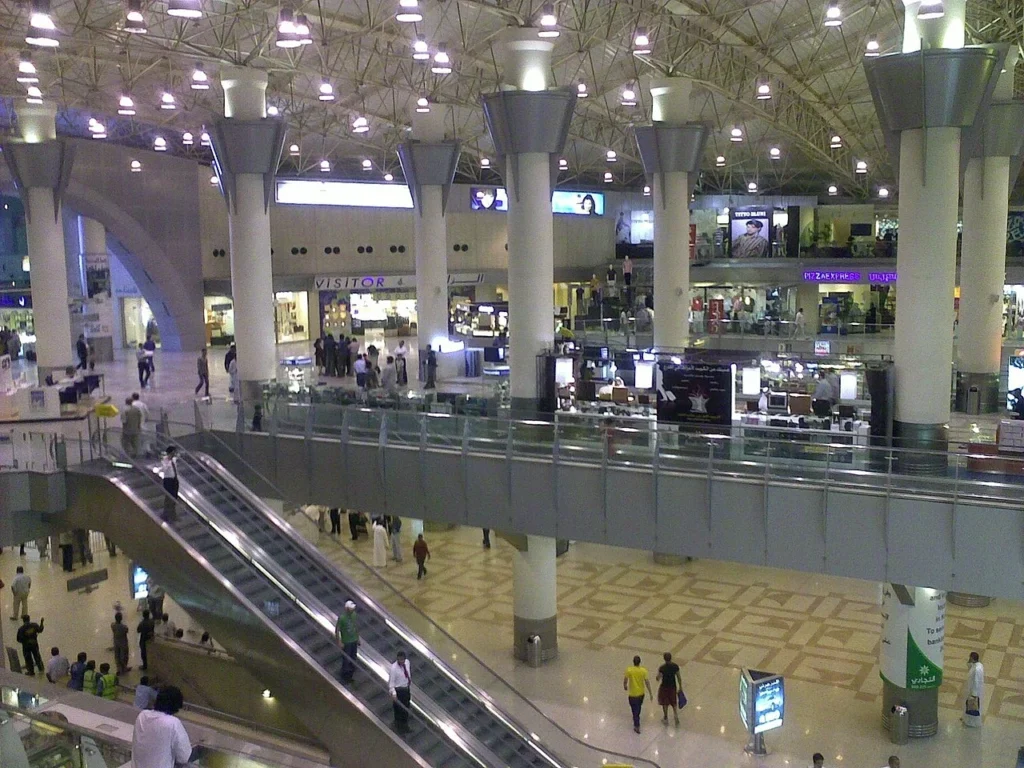
Kuwait International Airport remains partially operational, but reduced flight schedules, terminal restrictions and heightened regional security risks are creating significant uncertainty for passengers traveling to or through Kuwait.
As of July 25, 2026, commercial services are operating through Terminal 4 for Kuwait Airways and Terminal 5 for Jazeera Airways. Terminal 1 remains closed, while available flight schedules have been reduced. Travelers should confirm their departure terminal and flight status directly with their airline before heading to the airport.
The disruption follows escalating military activity across the Middle East, including strikes and retaliatory attacks affecting locations in Kuwait. Government advisories warn that further escalation could trigger additional cancellations, periodic airspace closures and transport disruption with little notice.
Kuwait maintains limited air connectivity
Kuwait continues to maintain commercial links despite the challenging operating environment.
Official airport information shows scheduled services involving Kuwait Airways, Jazeera Airways and selected international carriers. However, the presence of a flight on an airport timetable does not guarantee that it will operate as originally planned.
Aircraft may depart late, follow modified routes or face last-minute cancellation when airspace conditions change. Passengers should rely on live airline notifications instead of travelling based only on an original booking confirmation.
Travelers using Kuwait as a connection point face additional risks. A delayed inbound service could result in a missed onward flight, particularly when operating schedules are already limited.
Passengers should review rebooking conditions and avoid relying on short connection times wherever alternatives are available.
Governments strengthen Kuwait travel warnings
Several governments have raised or maintained strong warnings for Kuwait because of armed conflict and aviation disruption.
The United States continues to classify Kuwait at Level 3: Reconsider Travel. Its advisory, updated on June 28, cites the threat of armed conflict, landmines and crime. It also states that commercial aviation has faced serious disruption following regional hostilities and continued missile and drone threats.
The U.S. ordered non-emergency government employees and eligible family members to leave Kuwait in March because of safety concerns. Its government also warns that assistance available to American citizens may be limited during the crisis.
Australia strengthened its guidance on July 24 and now advises travelers not to travel to Kuwait. The advice cites an intensifying regional security situation, possible attacks on civilian infrastructure and the risk of airspace closures or flight cancellations.
The United Kingdom updated its advice on July 23 and now recommends against all but essential travel to Kuwait. British authorities specifically confirm that Terminal 1 is closed, Terminals 4 and 5 remain in use and flight schedules are reduced.
Passengers should expect rapid changes
Travel conditions can change between the time a passenger leaves home and arrives at the airport.
Before departure, travelers should check their airline’s official website or mobile application. They should also verify whether the incoming aircraft has departed its previous destination, as this can provide an early indication of potential delay.
Passengers should keep passports, visas, medicines, charging equipment and essential documents easily accessible. Those traveling with checked baggage should carry basic necessities in cabin luggage in case bags are delayed during schedule changes.
Flexible accommodation and onward transport arrangements may also reduce financial losses when flights are cancelled.
Travel insurance should be reviewed carefully because policies may exclude known conflicts, government warnings or journeys booked after an advisory was issued.
Security precautions extend beyond the airport
Government guidance advises visitors to stay away from military installations, government buildings and energy infrastructure.
Travelers should follow Kuwaiti authority instructions and move indoors if an attack warning is issued. Secure interior areas with few windows may provide greater protection from falling debris.
Passengers should never approach drone fragments, missile debris or unidentified objects following an interception or attack.
Visitors should also keep enough food, water and essential medication available in case transport services are suspended or movement becomes temporarily restricted.
Tourism and business travel face pressure
Kuwait continues receiving business travelers, residents, workers and essential visitors. However, current conditions may discourage discretionary tourism and short leisure trips.
Reduced aviation capacity can affect hotel arrivals, corporate meetings, airport transfers and regional connections. Unpredictable schedules may also increase costs for travelers who require replacement tickets or extended accommodation.
Anyone considering travel should compare the purpose of the journey with the advisory issued by their own government.
Flexibility remains essential for Kuwait flights
Kuwait International Airport has not stopped all commercial operations. Nevertheless, the closure of Terminal 1, reduced schedules and elevated regional threats mean travelers should not expect normal airport conditions.
Passengers should verify every part of their journey, maintain flexible plans and prepare for cancellations or airspace changes.
Until regional conditions stabilize, close monitoring of official airline, airport and government updates will remain essential for anyone flying to, departing from or transiting through Kuwait.
For more travel news like this, keep reading Global Travel Wire