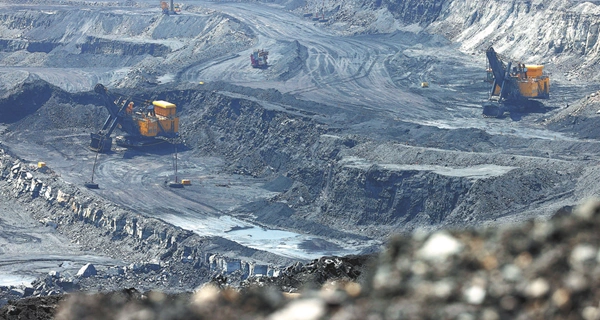
A devastating coal mine explosion in China’s Shanxi Province has sent shockwaves through the country’s industrial sector after authorities confirmed heavy casualties and launched one of the region’s largest emergency rescue operations in recent years. The disaster unfolded at the Liushenyu coal mine in Qinyuan County within Changzhi City, a critical mining region that plays a major role in China’s energy production network.
Government authorities, emergency management agencies, and rescue personnel remain engaged in intensive operations as investigations into the cause of the blast continue. The incident has renewed concerns surrounding industrial safety standards, emergency preparedness, and operational oversight within China’s high-risk mining sector.
Underground Explosion Strikes During Active Shift
According to official emergency management reports, the explosion occurred at approximately 19:29 local time on 22 May 2026 while hundreds of workers were underground carrying out mining operations.
Authorities confirmed that 247 workers were on duty inside the Liushenyu coal mine at the time of the gas explosion. Emergency response protocols were activated immediately after the blast, prompting local and provincial agencies to mobilize rescue units, medical teams, and technical specialists to the scene.
Initial rescue efforts focused on extracting trapped miners and stabilizing hazardous underground conditions. Officials coordinated emergency operations across county, municipal, and provincial levels to accelerate recovery efforts and support affected workers and families.
The disaster quickly escalated into a major industrial emergency due to the scale of the underground operation and the complexity of the rescue environment.
Death Toll Rises as Rescue Operations Continue
Early official reports confirmed that more than 200 workers had been brought safely to the surface following the explosion. However, authorities later released updated casualty figures indicating a far more severe human toll.
Provincial emergency operations confirmed that at least 82 people lost their lives in the disaster, while additional workers remained unaccounted for as rescue crews continued navigating damaged underground tunnels.
Hundreds of injured miners were transported to nearby hospitals and emergency treatment centres, with several cases reported as serious or critical. Medical facilities across the region activated emergency response systems to manage the influx of patients arriving from the mine site.
Authorities stated that rescue operations would continue around the clock as teams search for remaining trapped workers and stabilize dangerous sections of the mine.
Hundreds of Emergency Personnel Mobilized
The Shanxi Provincial Government launched a large-scale rescue mission involving multiple specialist response teams. Official reports stated that seven rescue and medical units totaling more than 750 personnel were dispatched to support operations at the disaster site.
The response included mine safety engineers, underground rescue experts, hazardous environment specialists, emergency medical workers, and logistical support teams equipped to operate in unstable underground conditions.
Emergency command centres were established near the mine to coordinate communications between rescue teams, government agencies, and medical services. Authorities emphasized that rescue operations were proceeding under strict safety protocols to protect both trapped miners and emergency workers.
The difficult underground environment, including potential gas hazards and structural instability, continues to complicate rescue efforts.
Industrial Safety Concerns Intensify Across China
The explosion has reignited national discussion surrounding industrial safety enforcement in China’s coal sector, particularly within Shanxi Province, one of the country’s largest coal-producing regions.
China has spent years implementing stricter safety regulations and modernization measures aimed at reducing mining fatalities. Despite those reforms, the latest disaster demonstrates the persistent risks associated with deep underground coal extraction and gas-related hazards.
Government investigators are now examining ventilation systems, gas monitoring procedures, equipment conditions, and compliance with national safety standards to determine the exact cause of the explosion.
Officials indicated that legal accountability procedures have already begun. Individuals responsible for operational oversight at the mine have reportedly been placed under formal control measures while investigations proceed.
National Authorities Order Broader Safety Inspections
China’s national leadership has called for intensified industrial inspections and stronger emergency preparedness measures in response to the Shanxi disaster.
Official government directives stressed the importance of identifying systemic safety weaknesses and strengthening regulatory enforcement across high-risk sectors including mining, heavy industry, and energy production.
Authorities are expected to expand safety reviews at coal mining facilities nationwide as part of broader efforts to prevent similar accidents. Regulatory agencies are also under pressure to improve operational oversight and ensure stricter compliance with existing industrial safety frameworks.
The disaster has once again highlighted the balance China faces between maintaining industrial productivity and ensuring worker safety in sectors that remain essential to the country’s economic and energy infrastructure.
Shanxi’s Critical Role in China’s Energy Network
Shanxi Province occupies a central position within China’s coal industry, supplying large volumes of fuel used for electricity generation, heavy manufacturing, transportation, and industrial production.
The province’s extensive mining infrastructure supports both domestic energy security and wider industrial operations across the country. As a result, accidents in Shanxi often carry national economic and regulatory implications beyond the immediate human tragedy.
Mining remains one of China’s most strategically important industries, but the sector continues to face scrutiny over workplace safety, environmental conditions, and operational risks.
Industry analysts believe the latest explosion could accelerate additional regulatory reforms, expanded inspections, and renewed investment in mine safety technologies.
Rescue and Investigation Efforts Remain Ongoing
Emergency operations continue at the Liushenyu coal mine as authorities work to locate missing workers and fully assess underground conditions. Medical teams remain on standby while investigators gather technical evidence to determine how the explosion unfolded.
Government agencies at local, provincial, and national levels are expected to maintain close oversight throughout the rescue and investigation process.
As China confronts another major industrial tragedy, the Shanxi coal mine explosion stands as a stark reminder of the ongoing dangers associated with underground mining operations and the urgent need for strengthened industrial safety protections across the country.
For more travel news like this, keep reading Global Travel Wire