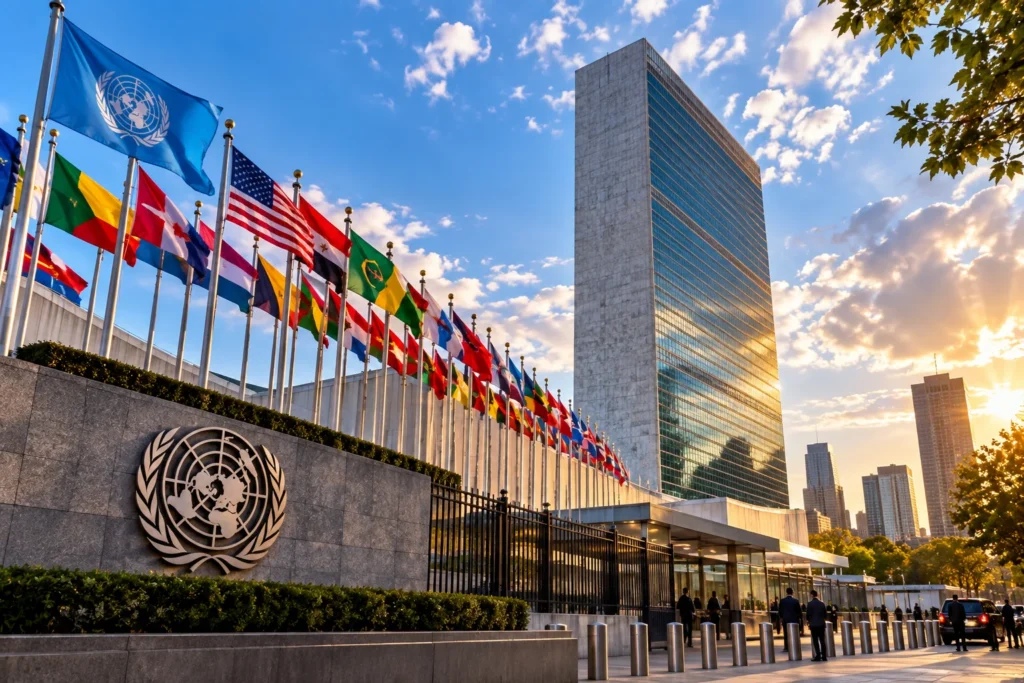
The 81st United Nations General Assembly General Debate convened at UN Headquarters in New York, gathering 194 national delegations to address pressing global stability issues. Amid ongoing regional friction, addresses delivered by key world leaders highlighted contrasting visions for international relations. For the global hospitality and travel sector, these political deliberations signal critical shifts in international travel security, operational costs, and border mobility.
During the high-level debate, prominent global figures emphasized divergent approaches to conflict management and international security. US President Donald Trump and Israeli Prime Minister Benjamin Netanyahu focused on strong national defense postures and strategic deterrence as vital mechanisms of statecraft. Conversely, King Abdullah II of Jordan advocated for multilateral diplomacy, adherence to international law, and restored mutual trust between sovereign states.
These contrasting frameworks bear major implications for the international travel economy. As geopolitical uncertainties escalate across key corridors, tourism administrators and global travel risk management professionals increasingly recognize that international stability serves as a foundational prerequisite for worldwide passenger movement and sector growth.
Regional Friction Magnifies Airspace and Flight Route Disruptions
Heightened geopolitical instability directly impacts the operational architecture of commercial aviation. In key transit zones connecting North America, Europe, Africa, and Asia, potential airspace closures force commercial airlines to reroute international passenger and cargo flights. Flight rerouting significantly extends block times, increases jet fuel consumption, and elevates overall operational overhead for international carriers.
Beyond direct flight adjustments, volatile regional conditions lead to increased aviation hull insurance premiums, stricter war-risk surcharges, and heightened security protocols at major hub airports. These cumulative expense increases ultimately trickle down to consumers through elevated airfares and ancillary travel surcharges. When key flight paths face persistent disruption, passenger volumes drop, directly affecting international connecting traffic across major transit hubs.
Border Controls and Visa Policy Changes Constrain Mobility
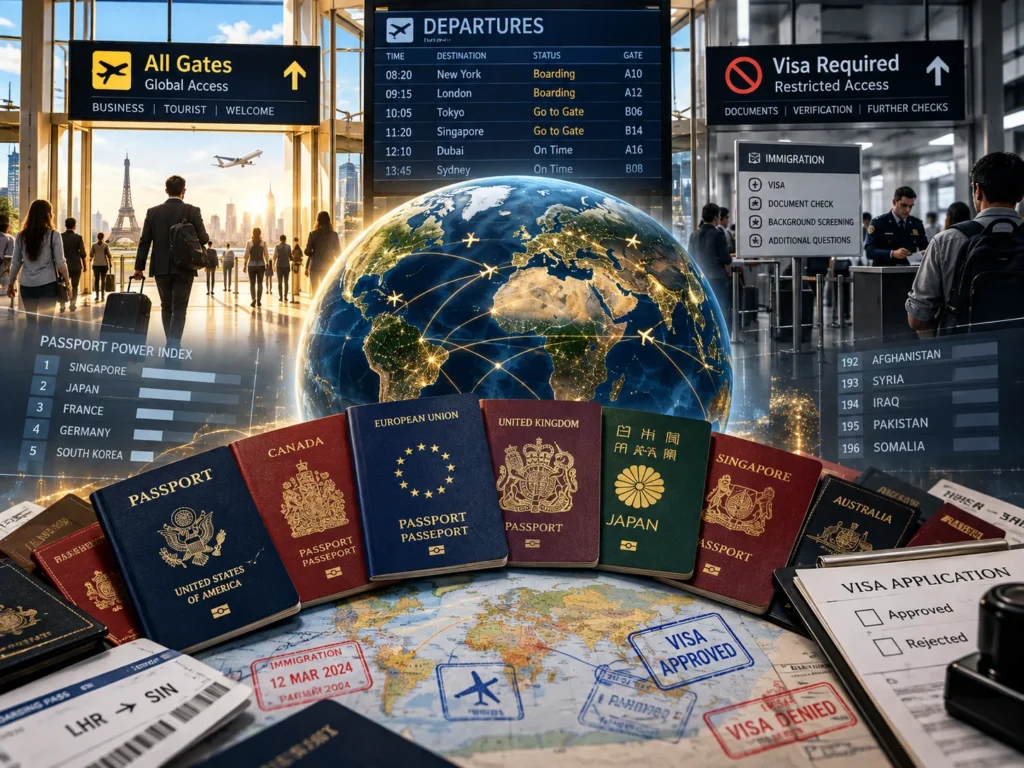
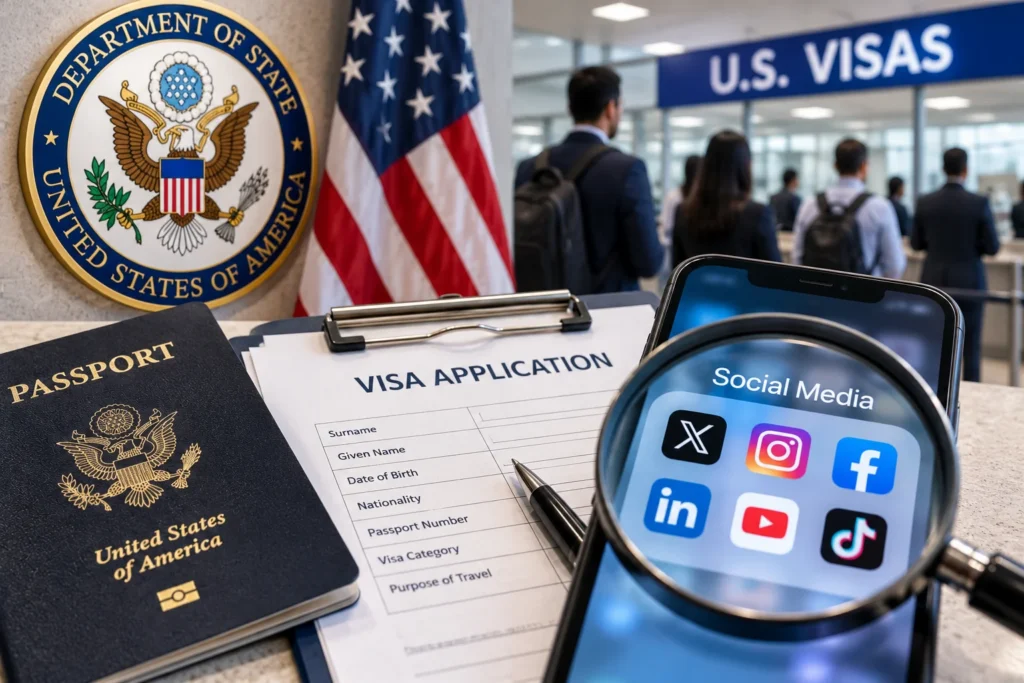
Fluctuating geopolitical relationships frequently lead to altered cross-border policies, adjusted consular processing timelines, and heightened visa scrutiny. Sovereign nations managing security concerns often implement expanded border screening procedures, mandatory advance traveler authorization clearances, or travel advisories that deter non-essential transit.
These administrative shifts complicate business itineraries and leisure holiday planning. For destinations dependent on high-spending inbound international travelers, tightened border protocols or travel warnings can result in immediate booking cancellations and reduced long-term visitor arrivals. Ensuring streamlined, predictable entry procedures remains essential for maintaining international leisure commerce and corporate travel.
Restoring Trust and Multi-Lateral Cooperation Protects Inbound Tourism Economics
The international travel industry relies heavily on mutual trust, predictable legal frameworks, and cooperative international agreements. As King Abdullah II noted during his UN General Assembly address, lasting peace, regional stability, and functional international relations depend fundamental trust among nations.
When international trust erodes, consumer confidence drops across major source markets. Corporate organizations curtail business travel budgets, while leisure travelers re-evaluate itineraries in favor of domestic or short-haul destinations. Preserving collaborative frameworks, clear international rules, and peaceful diplomatic avenues is essential for sustaining long-term investor confidence in destination infrastructure, hotel developments, and regional tourism promotion.
Proactive Risk Strategy Essential for Global Tourism Stakeholders
As global travel risk factors become increasingly interwoven with international politics, tourism boards, airline management groups, and hospitality operators must integrate geopolitical risk assessments directly into their strategic planning models. Establishing flexible flight routes, diversifying international source markets, and maintaining clear emergency communications allow travel stakeholders to respond effectively to sudden diplomatic or security shifts.
By monitoring diplomatic developments at international forums such as the United Nations General Assembly, tourism leadership can anticipate regulatory shifts, adjust marketing strategies, and implement contingency measures. Maintaining a resilient, adaptable framework ensures that the global travel industry can navigate international uncertainties while continuing to foster worldwide economic connection.
For more travel news like this, keep reading Global Travel Wire