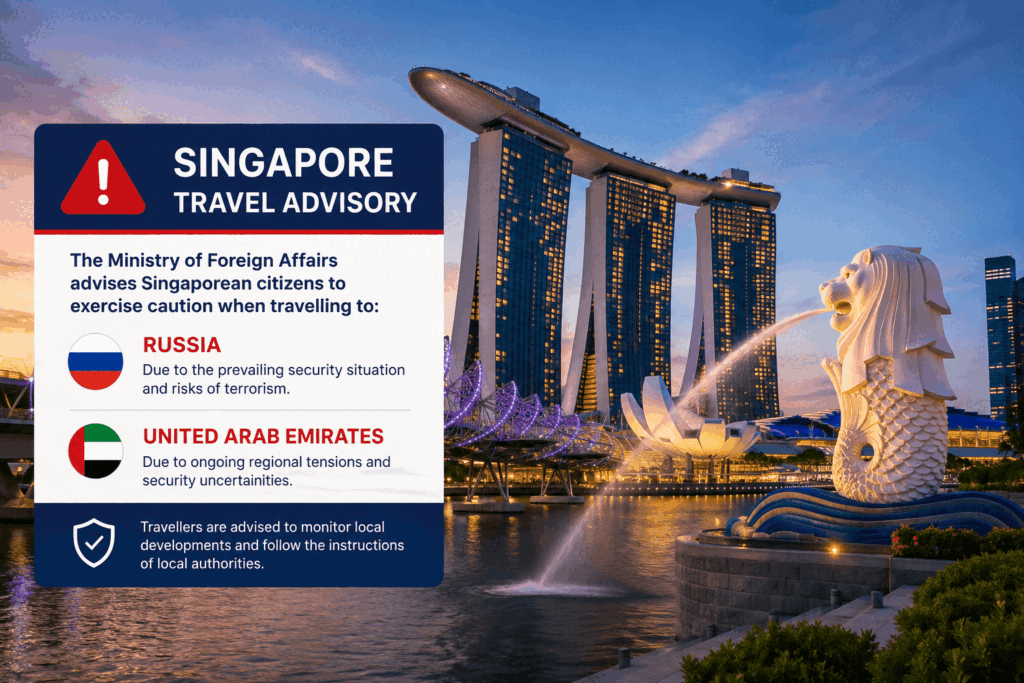
The Ministry of Foreign Affairs of Singapore has released updated official travel guidance advising citizens to defer all non-essential travel to Russia and the United Arab Emirates. The governmental alert comes in response to evolving security conditions, including documented drone activity in major Russian metropolitan areas and regional volatility affecting airspace and aviation transit corridors across the Middle East.
While both destinations remain major international gateways for culture, heritage, and international commerce, official diplomatic statements emphasize that unexpected security events and infrastructure disruptions require heightened precaution for international travelers.
Escalating Security Measures and Digital Network Disruptions in Major Russian Cultural Centers
Official notices from the Ministry of Foreign Affairs advise against non-essential visits to Russia due to ongoing conflict dynamics and security incidents reported in key urban centers. Strategic cultural hubs—including Moscow, St. Petersburg, and Kazan—have experienced elevated security protocols following drone occurrences in urban regions.
Beyond physical security considerations, official travel documentation points to operational challenges that directly impact leisure visitors and business travelers:
Digital Infrastructure Interruptions: Foreign visitors are warned that mobile connectivity and internet access in urban areas may experience sudden shutdowns or temporary blackouts during security alerts, disabling mapping tools, ride-hailing services, and online communication platforms.
Mandatory Entry Documentation: Singaporean passport holders must secure pre-approved entry visas or official electronic visas before arrival. Travelers utilizing electronic visas must enter and depart strictly through designated border control checkpoints.
Passport and Migration Compliance: Foreign nationals must complete a migration card upon passing border security and retain the physical card throughout their stay. Failure to present this document during accommodation check-ins or border exit procedures can result in substantial administrative delays and financial penalties.
Local Accommodation Registration: Russian administrative directives require all international visitors to complete formal accommodation registration through hotels or hosting venues within designated timeframes following arrival.
Official diplomatic channels strongly advise Singaporeans currently residing in or visiting Russia to maintain high vigilance, monitor local government announcements, carry physical identification documents at all times, and avoid gathering near military or strategic government installations.
Aviation Awareness and Regional Transit Protocols for United Arab Emirates Gateways
Concurrently, official guidance issued regarding travel to the United Arab Emirates highlights broader security dynamics across the Middle East that have impacted regional airspace and commercial aviation schedules.
While major international transit gateways—such as Dubai International Airport and Zayed International Airport in Abu Dhabi—continue standard operations, governmental updates advise international passengers to prepare for potential flight realignments and schedule modifications:
Flight Tracking and Airline Reconfirmation: Travelers holding transit bookings through United Arab Emirates airports are urged to confirm flight statuses directly with operating air carriers prior to departing for transit hubs.
Airspace Re-Routing Impacts: Broader regional security developments have led several international carriers to adjust flight corridors, resulting in potential route extensions, altered layover schedules, and modified connecting itineraries.
Direct Consular Registration: Government authorities encourage all citizens traveling through or staying in the region to register their itinerary details via the official online consular registration system to receive real-time updates and emergency support.
Official government communications reaffirm that while public safety and civil infrastructure across the United Arab Emirates remain robust, maintaining flexible travel arrangements and comprehensive insurance coverage remains essential during periods of regional uncertainty.
Administrative Checklist and Emergency Preparedness Guidelines for Travelers
To assist citizens navigating international travel requirements, official government releases outline several practical safety protocols for individuals currently overseas or planning essential journeys:
Defer Non-Essential Trips: Adhere to official government advisories by postponing non-essential leisure or commercial travel to regions subject to active security notices.
Complete Official Consular Registration: Ensure all personal and trip details are submitted to national diplomatic registration portals to facilitate prompt communication during emergencies.
Secure Hard-Copy Documentation: Maintain printed copies of passports, approved visas, hotel confirmations, and border entry cards in physical travel folders to prevent disruptions caused by digital network outages.
Download Offline Navigation and Language Resources: Install offline maps and translation software on mobile devices prior to departure to ensure continued utility if local cellular networks experience temporary downtime.
Review Comprehensive Insurance Terms: Verify that travel insurance policies include explicit coverage for trip interruptions, security-related delays, and emergency medical repatriation.
Long-Term Outlook for International Travel Safety and Destination Readiness
The updated government advisories illustrate the growing necessity for agility and emergency preparedness within the international tourism sector. National tourism boards and aviation authorities continue working closely with diplomatic channels to uphold visitor safety, streamline immigration processing, and provide accurate real-time information to global travel operators.
As international security conditions evolve, government agencies will continue monitoring regional developments to adjust travel alerts accordingly. Travelers are encouraged to review official ministry updates regularly, maintain direct communication with transport providers, and prioritize personal safety when making international travel decisions.
For more travel news like this, keep reading Global Travel Wire