International travel relies fundamentally on stability, open transit corridors, and transparent international law frameworks. As the United Nations General Assembly high-level sessions convene in New York, official discussions regarding global security, national sovereignty, and international law directly intersect with the recovery and resilience of global tourism.
According to official UN Tourism statistical releases, global international tourist arrivals surpassed 1.5 billion, marking an ongoing post-pandemic recovery supported by expanded flight connectivity and flexible travel policies. However, diplomatic tensions, maritime route disruptions, and regional conflicts continue to present real challenges to travel infrastructure, aviation routes, and visitor safety standards. Maintaining robust international tourism security policy frameworks is essential to ensuring that global mobility remains safe, predictable, and economically sustainable.
The Role of Global Governance in Securing Travel Infrastructure
The United Nations Security Council and specialized international bodies play a pivotal role in preserving the conditions that enable global travel. Statements from official United Nations briefings emphasize that upholding international law, protecting commercial maritime lanes, and respecting sovereign borders are vital prerequisites for maintaining consumer confidence in cross-border travel.
When regional conflicts or maritime disruptions arise, the impacts immediately ripple across the travel and hospitality ecosystem. Disrupted flight routes increase transit times, elevate aviation fuel costs, and force airlines to rerout commercial corridors. Moreover, commercial shipping disruptions affect global supply chains that supply hotel infrastructure, resort developments, and international venue management.
Official diplomacy initiatives coordinated through special envoys focus on resolving active disputes through political dialogue rather than military escalation. Sustainable political settlements protect civil infrastructure, regional airports, transit corridors, and border facilities, directly benefiting inbound and outbound tourism sectors.
Regional Tourism Resilience and Sustainable Investment
Despite broader geopolitical friction, nations across the Middle East and neighboring regions continue to advance long-term economic diversification initiatives centered on leisure and business travel. Kingdom of Saudi Arabia official tourism releases demonstrate significant momentum, with the country targeting 150 million total annual domestic and international visitors by 2030. Verified Ministry of Tourism statistical reports record over 29 million inbound visitors annually, supported by major national investments in hotel capacity, modern airports, and cultural heritage conservation.
To shield the visitor economy from external shocks, national tourism authorities are prioritizing comprehensive risk mitigation strategies. Key components include:
Aviation Safety Protocols: Coordinating closely with civil aviation organizations to secure air space corridors and maintain predictable flight schedules.
Maritime and Coastal Protection: Working through international security agreements to safeguard key shipping lanes and cruise ship operational zones.
Crisis Communications Systems: Deploying synchronized communication channels through ministry portals to provide travelers and tour operators with verified, real-time safety information.
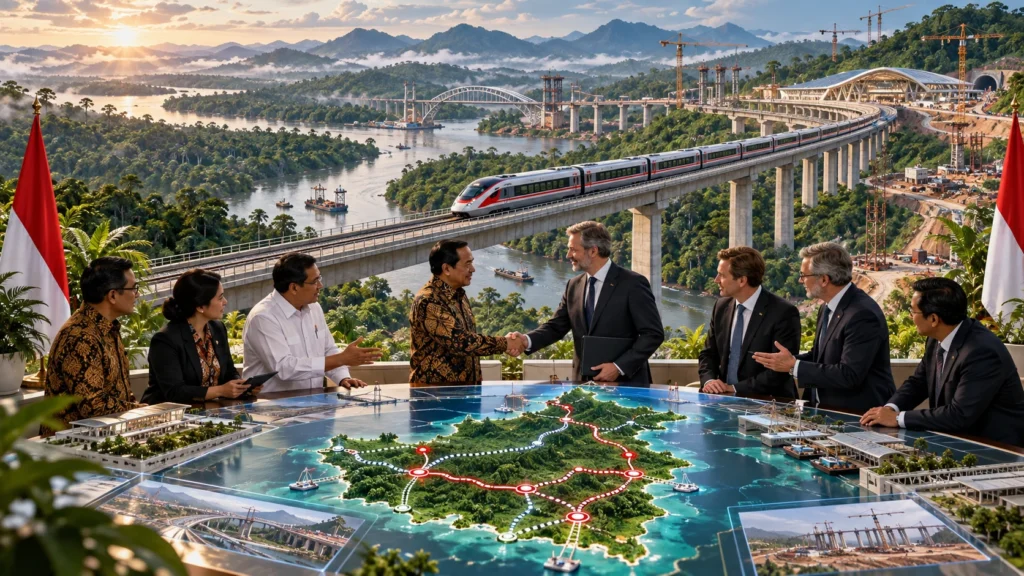
Infrastructure Diversification: Investing in expanded high-speed rail networks, regional airports, and domestic transit hubs to minimize reliance on singular transit corridors.
UN Tourism Frameworks and Multi-Lateral Cooperation
UN Tourism continues to monitor global visitor flows, publishing periodic statistical updates to help member states adjust to changing market conditions. Official data highlights that while global travel demand remains resilient, regional growth rates vary based on localized security conditions, price competitiveness, and infrastructure readiness.
To foster sustainable sector growth, UN Tourism urges member states to integrate travel resilience into national economic planning. By prioritizing diplomat-led conflict resolution, international law compliance, and joint security protocols, governments can safeguard vital infrastructure against unexpected disruptions.
The economic value of international travel extends beyond revenue generation; it provides employment, drives cultural exchange, and incentivizes cross-border infrastructure investment. Protecting the sector requires continuous international collaboration, transparent governance, and unwavering commitment to international law. As global leaders address international security challenges, establishing reliable, resilient travel environments remains a shared priority for destinations worldwide.
For more travel news like this, keep reading Global Travel Wire