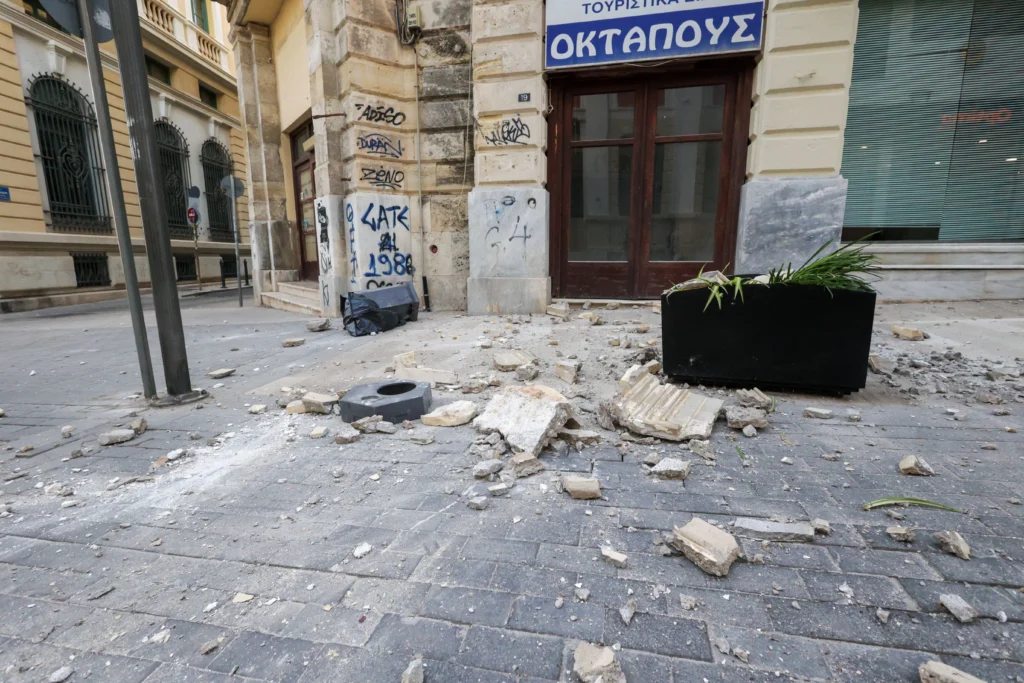
Greece has entered the early summer tourism season with renewed attention on earthquake preparedness after a series of tremors affected northern Evia, close to Athens. The strongest event reported in the sequence reached magnitude 5.2 near Prokopi on June 7, 2026, with shaking felt across parts of Evia and the wider Attica region.
The earthquakes do not amount to a nationwide tourism shutdown, and travelers should not assume that Athens or Evia are closed. However, the activity has placed local readiness, hotel communication and practical safety planning firmly in focus as visitor numbers rise ahead of the peak summer period.
Greek authorities have already begun inspections in affected areas of northern Evia. Teams carried out checks in Prokopi, Dafnousa and Spatharaion Kalyvia, examining homes, business premises and public buildings for damage. The inspections underline the importance of following local instructions and avoiding buildings or routes where concerns have been identified.
Evia Remains an Important Tourism Gateway Near Athens
Evia is Greece’s second-largest island and one of the most accessible island destinations for travelers staying in or around Athens. Its proximity to the mainland makes it popular for road trips, weekend breaks, beach holidays, cultural visits and wellness escapes.
Chalkida acts as the island’s main gateway, while northern Evia attracts visitors with coastal towns, mountain scenery, thermal springs, religious sites and quieter alternatives to Greece’s busiest islands. The island’s accessibility is one of its greatest tourism strengths, but it also means that local tremors can quickly attract attention from visitors planning day trips or multi-destination itineraries.
For travelers already in the region, the most practical approach is to remain informed rather than alarmed. Hotels, tour companies and transport providers should be able to advise on local conditions, route changes and any temporary restrictions.
Official Safety Guidance Offers Clear Steps for Travelers
Greek Civil Protection advises people indoors during an earthquake to remain calm, move away from windows and heavy objects, and take cover under sturdy furniture where possible. Visitors should not rush toward exits while shaking continues and should avoid balconies.
After a tremor, travelers should be prepared for aftershocks. Elevators should not be used during evacuation, and damaged buildings should be avoided until checks are completed. Mobile phone use should be limited to urgent situations so networks remain available for emergency communication.
Travelers outdoors should move away from buildings, power lines and unstable structures. Drivers should stop carefully in an open area and avoid tunnels, bridges and overpasses until conditions are clear.
In coastal areas, visitors should also remain alert to official tsunami instructions after strong shaking. Any movement away from the shoreline should be based on authority guidance rather than rumors or social media speculation.
Hotels and Tour Operators Face a Readiness Test
The latest tremors highlight the role of tourism businesses in maintaining visitor confidence. Hotels and holiday rentals should provide visible evacuation routes, explain where guests can assemble safely and ensure staff understand emergency procedures.
Tour operators should review itineraries involving mountain roads, narrow coastal routes, older buildings or remote villages. Car rental companies can also support travelers by sharing route updates and advising against driving through areas affected by visible cracking, falling rocks or emergency restrictions.
Clear communication is especially important because many international visitors may be unfamiliar with earthquake procedures. Calm, simple instructions can reduce confusion while helping guests make informed decisions.
Greece Tourism Demand Remains Strong
The earthquake sequence comes during a period of strong tourism momentum. Bank of Greece figures for March 2026 showed travel receipts rising by 55.6% year on year, while inbound traveler flows increased by 38.1%. For the first quarter of 2026, travel receipts rose by 64.3% and inbound traveler numbers increased by 38.3%.
That growth makes preparedness increasingly important. More visitors are moving through airports, ports, hotels and road networks, while Athens continues to serve as the country’s main gateway for international travel.
The most balanced message for travelers is straightforward. Greece remains open, and Athens continues to welcome visitors. Evia also remains an important tourism destination. At the same time, those planning trips to northern Evia should check local conditions, follow official instructions and keep itineraries flexible while inspections and monitoring continue.
Preparedness Protects Visitor Confidence
The Evia earthquakes are a reminder that tourism resilience depends on more than attractions, beaches and transport links. It also depends on clear communication and readiness when natural hazards occur.
For visitors, the best response is awareness without panic. For hotels, tour operators and local authorities, the priority is to provide timely information and practical support. As Greece moves deeper into the summer season, that combination will be essential for maintaining trust and protecting the traveler experience.
For more travel news like this, keep reading Global Travel Wire