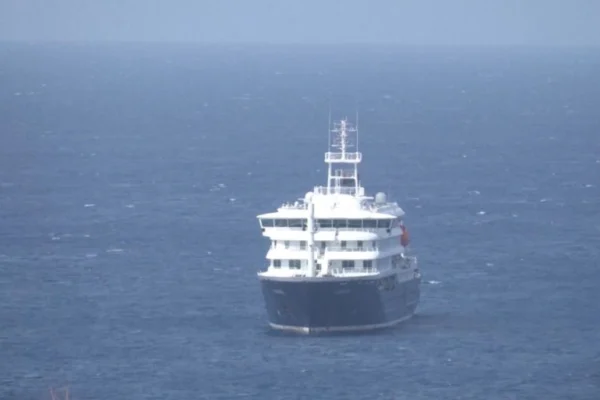
A confirmed hantavirus case aboard the expedition cruise vessel MV Hondius has triggered an international public health response led by the World Health Organization (WHO) and multiple global health agencies as authorities work to contain potential exposure risks and protect traveler confidence in the cruise sector.
Swiss authorities confirmed that a passenger who had recently traveled aboard the MV Hondius sought medical attention after arriving in Zurich, Switzerland, following health notifications issued by the ship’s operators. The case has since prompted accelerated international contact tracing efforts involving several countries and health institutions.
The incident is drawing significant attention across the tourism and cruise industries as operators continue prioritizing health security and traveler confidence amid increasing global mobility and expanding expedition cruise demand.
WHO Coordinates International Contact Tracing Measures
Under International Health Regulations protocols, the World Health Organization is coordinating with national authorities and international health agencies to identify and monitor individuals who may have been exposed during the voyage.
Health officials are focusing on passengers, crew members, and close contacts linked to the ship’s operations and travel routes.
The WHO’s involvement highlights the growing importance of coordinated international health responses within global tourism networks, particularly in sectors such as cruise travel where passengers frequently cross multiple borders within short periods.
Authorities are working to ensure affected individuals receive medical guidance, monitoring support, and updated public health information while minimizing risks of further transmission.
The outbreak response includes collaboration with multiple scientific and public health institutions worldwide as part of broader containment efforts.
Andes Hantavirus Identified Through International Scientific Cooperation
Health agencies confirmed that the virus involved in the outbreak is the Andes hantavirus strain following laboratory analysis conducted by international medical institutions.
The confirmation involved cooperation between the National Institute for Communicable Diseases in South Africa, Geneva University Hospitals in Switzerland, Institut Pasteur de Dakar in Senegal, and Argentina’s Administración Nacional de Laboratorios e Institutos de Salud.
The international response reflects the increasingly global nature of health monitoring within the tourism sector, particularly for cruise operations that connect travelers across continents and major tourism hubs.
While hantavirus infections remain relatively rare globally, the disease can raise concerns due to its severity and the complexities involved in identifying and monitoring potential exposure chains during international travel.
Cruise Industry Faces Renewed Health and Safety Pressures
The confirmed case aboard the MV Hondius is once again highlighting how health-related incidents can rapidly impact cruise tourism operations and traveler confidence.
Cruise operators continue facing heightened scrutiny regarding onboard medical preparedness, sanitation procedures, passenger screening protocols, and emergency response systems.
Tourism analysts say even isolated health events can influence traveler perceptions and booking behavior, particularly within the cruise industry where passenger safety remains closely tied to operational reputation.
The incident could also create ripple effects across connected sectors including airlines, hotels, ports, tour operators, and tourism destinations linked to cruise itineraries in Europe and other regions.
As expedition cruising continues growing in popularity, particularly among travelers seeking remote and nature-focused experiences, operators are under increasing pressure to maintain visible and effective health safety measures.
Cruise Operators Strengthen Health-First Tourism Strategies
The latest health incident is expected to accelerate ongoing investments in health-first tourism strategies across the global cruise market.
Cruise lines are increasingly enhancing onboard medical infrastructure, sanitation technologies, passenger monitoring systems, and contingency planning procedures to address evolving public health concerns.
Additional measures may include expanded health screenings, improved ventilation systems, upgraded isolation capabilities, and stronger coordination with international health authorities.
Industry experts believe long-term growth in cruise tourism will depend heavily on the sector’s ability to reassure travelers that robust health protection systems are fully integrated into operations.
The broader tourism industry is also increasingly recognizing health safety as a central component of destination competitiveness and traveler trust.
Tourism Sector Works to Protect Traveler Confidence
The tourism industry remains highly sensitive to global health developments, particularly following several years of heightened public awareness surrounding travel-related health risks.
Destinations, tourism boards, airlines, hotels, and cruise operators continue investing in traveler communication strategies designed to maintain confidence during isolated health incidents.
Authorities in Switzerland and other involved countries are emphasizing that rapid contact tracing and international cooperation remain critical tools for containing risks while minimizing disruption to travel activity.
As of May 6, health authorities reported eight cases linked to the outbreak, with three cases confirmed through laboratory testing.
The WHO continues working alongside national health agencies to monitor developments and provide updated guidance to both travelers and tourism operators.
Expedition Cruise Growth Continues Despite Health Challenges
The MV Hondius incident also underscores the unique operational challenges associated with expedition cruise travel, where passengers often travel through remote regions with limited medical infrastructure and complex international itineraries.
Expedition cruising has experienced strong growth in recent years as travelers seek immersive experiences in polar regions, remote islands, and environmentally sensitive destinations.
This growth has increased focus on health preparedness and emergency response capabilities across smaller expedition vessels operating in isolated areas.
Cruise companies are now balancing rising demand for adventure tourism with increasing expectations for health security and operational transparency.
Global Tourism Industry Adapts to Emerging Health Risks
The hantavirus case aboard the MV Hondius reflects the broader reality that global tourism and public health are increasingly interconnected.
As international travel volumes continue rising, tourism operators face ongoing pressure to strengthen crisis response systems, improve communication channels, and maintain high operational health standards.
Industry leaders believe the ability to manage health-related incidents quickly and transparently will remain essential for sustaining long-term traveler confidence and supporting continued tourism growth.
The current response involving the WHO and international health agencies demonstrates how coordinated global action has become a critical part of protecting both public health and the stability of the international travel industry.
For more travel news like this, keep reading Global Travel Wire