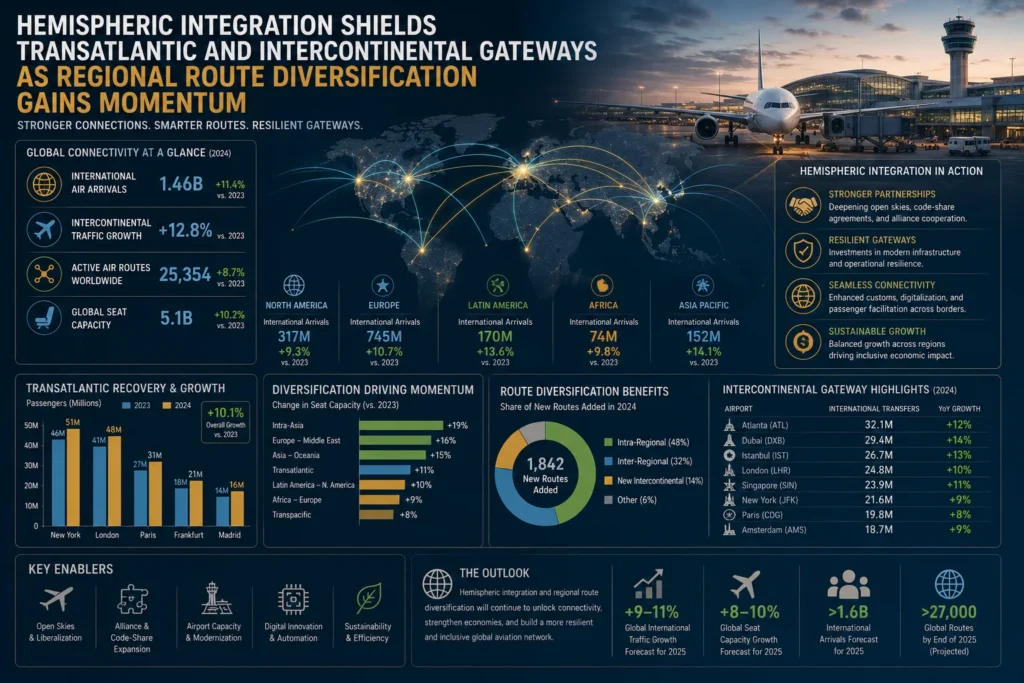
Extended flight disruptions, operational infrastructure bottlenecks, and unexpected scheduling revisions have challenged high-density international transit networks across traditional long-haul travel corridors. In response, aviation bureaus, regional tourism authorities, and transport networks throughout the Western Hemisphere have prioritized internal network stabilization and point-to-point route diversification.
This balanced planning framework has insulated regional travel economies. Entering the current peak seasons, a coordinated expansion in passenger capacity is supporting high-volume traffic across North America, Central America, South America, and the Caribbean.
Official performance summaries from state departments, tourism ministries, and regional statistical bureaus indicate a steady rise in Americas international tourism arrivals. Rather than filtering traffic through single, high-congestion megahubs, regional air carriers and port authorities are distributing passenger flows evenly across urban corridors, coastal resort zones, and low-density, nature-based destinations.
Analyzing the Structural Performance of North American Hubs
The resilience of the hemispheric aviation model relies on strong domestic passenger demand operating alongside optimized border entry networks.
The United States Air Traffic Matrix
The United States continues to account for a substantial volume of international and domestic transit operations across the region. According to official performance briefs from the National Travel and Tourism Office (NTTO), international inbound metrics indicate a steady, multi-quarter recovery path toward historical baselines. Primary international gateways—including New York, Los Angeles, Miami, and Las Vegas—have updated their terminal logistics to process high-volume arrivals efficiently.
Simultaneously, secondary leisure markets have registered increased traffic due to the robust baseline of the domestic market. This internal consumer demand provides financial stability for regional air carriers, national hotel networks, and local hospitality workforces. Current NTTO summaries also indicate that incoming travelers are increasingly combining metropolitan visits with multi-state national park road trips, which minimizes terminal wait times.
Canada’s Managed Corridor Framework
Serving as a highly stable northern transit gateway, Canada’s visitor economy demonstrates consistent growth through a managed balance of urban business destinations and wilderness access points. Data from Destination Canada confirms that key international access nodes like Toronto, Vancouver, and Montreal handle consistent commercial and cultural arrivals.
Concurrently, nature-based destinations such as Banff National Park maintain steady seasonal demand. The stability of this northern network is supported by strong domestic travel patterns, year-round seasonal sports infrastructure, and predictable cross-border arrivals from adjacent North American markets.
Evaluating Entry Flow Trends in Mexico and the Caribbean
Central American and Caribbean destination networks have introduced specific transit models designed to manage high-volume passenger processing effectively.
Mexico’s Diversified Regional Entry Points
Mexico continues to experience high traffic volumes across its primary coastal and cultural corridors. Official statements from the Secretariat of Tourism (SECTUR) detail that international arrivals via air remain concentrated in high-capacity zones like Cancun, Los Cabos, and Mexico City.
The growth trajectory is supported by competitive aviation pricing, expanded direct flight paths from secondary North American airports, and a diverse range of accommodations. SECTUR statistics indicate that these decentralized entry routes effectively distribute economic benefits across both premium resort destinations and historical inland states.
The Caribbean Cruise and Port Network
The Caribbean islands have effectively managed regional transport volume by expanding maritime arrival options, using cruise networks to augment traditional airport capacity. According to updates from the Caribbean Tourism Organization (CTO), destinations like Jamaica, the Bahamas, and the Dominican Republic have noted stable arrivals by leveraging short maritime travel times from continental ports. This multi-destination cruise system allows the region to maintain high visitor volumes while reducing direct infrastructure pressure on localized air traffic control systems.
Long-Haul Connectivity and Growth Across South America
South American ministries are actively expanding direct international flight options to support long-haul cultural, heritage, and adventure tourism.
Brazil’s Urban and Business Hubs
Brazil maintains its position as a major entry point for the South American sub-region. Statistical updates from the Ministry of Tourism indicate that Rio de Janeiro and São Paulo handle a balanced mix of corporate and leisure travel. The administration’s focus on visa-free processing for key reciprocal international markets has stabilized entry queues at major facilities like Galeão and Guarulhos airports.
Southern Cone and Andean Heritage Circuits
Argentina is experiencing positive visitor trends driven by urban tourism in Buenos Aires and nature travel in the Patagonian conservation areas. In the Andean sector, Peru’s Ministry of Foreign Trade and Tourism (MINCETUR) monitors consistent, regulated traffic along the Cusco-Machu Picchu circuit, focusing on sustainable site management.
Concurrently, Chile and Colombia are registering increased attention from international travel planners for their specialized eco-tourism networks. A notable regional trend involves an extended average length of stay, which allows international arrivals to maximize the value of long-haul flights across multiple domestic sub-regions.
Managed Traffic Strategies and Evolving Consumer Habits
As transport authorities adjust to shifting consumer behaviors, travelers are modifying their booking patterns to build flexibility into their itineraries. Multi-destination itineraries and hybrid travel packages that merge urban business trips with rural nature excursions have seen a notable rise in utilization.
To manage this evolving demand, regional tourism agencies are implementing data-driven scheduling platforms. These digital tools provide real-time updates on regional transport availability, allowing passengers to alter their travel arrangements smoothly using digital mobile networks.
By prioritizing direct point-to-point air connectivity, expanding regional port networks, and maintaining collaborative cross-border security and immigration policies, the hemisphere’s travel sectors remain well-positioned for sustained development. This balanced approach protects the destination experience and provides long-term operational consistency across the international travel market.
For more travel news like this, keep reading Global Travel Wire