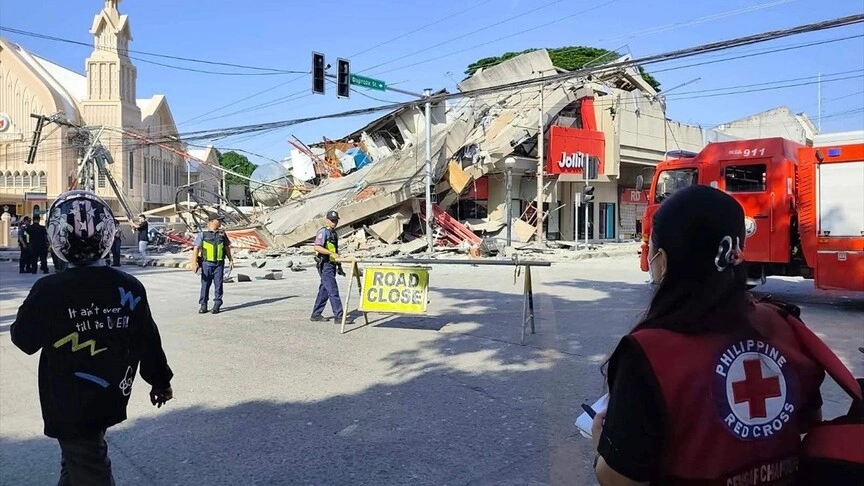
Japan placed Pacific-facing coastal areas under tsunami advisories on June 8, 2026, after a powerful magnitude 7.8 earthquake struck offshore Sarangani in the southern Philippines. The alert brought renewed attention to coastal travel safety across Japan, with tourism businesses, transport operators, hotels, and visitors urged to follow official instructions while authorities monitored sea-level changes.
The offshore earthquake occurred far from Japan, but its impact extended across the western Pacific. Japan’s tsunami advisories highlighted how quickly a distant seismic event can affect tourism activity in island destinations and coastal communities. Okinawa, with its beaches, marine excursions, ferry routes, and resort areas, faced particular attention as travellers monitored updates and reviewed plans involving the shoreline.
Coastal Travel Plans Face Immediate Review
For visitors, the most important message was clear: avoid beaches, ports, harbours, river mouths, and other low-lying coastal locations while tsunami advisories remain active. Even relatively small waves can create dangerous currents in enclosed ports and bays, making marine recreation unsafe until authorities confirm that conditions have stabilised.
The advisory created the potential for short-notice changes across ferry services, island transfers, cruise calls, diving trips, snorkelling tours, fishing excursions, and coastal sightseeing. Travellers with bookings in Okinawa and other Pacific-facing destinations were advised to contact operators directly before departure and follow local emergency announcements.
Beach resorts and waterfront hotels also faced an immediate operational challenge. Properties near the coast needed to keep guests informed about evacuation routes, higher-ground access, and any temporary restrictions affecting beaches, pools, waterfront promenades, or marine activities. For international visitors unfamiliar with local geography, clear hotel guidance became especially important.
Tourism Operators Focus on Safety
Japan’s travel industry is built around efficient transport connections, but tsunami advisories can quickly affect the coastal parts of that network. Ferry terminals, marinas, small ports, and island gateways may require temporary adjustments as authorities assess local conditions. Cruise operators and excursion providers must also remain flexible because port access and shore activities can change with little notice.
Aviation may be less directly affected than maritime transport, but travellers should still check flight updates when using airports serving island or coastal destinations. Airport access roads, local transfers, and connecting ferry services can influence an itinerary even when scheduled flights continue.
Rail and road passengers travelling along Pacific coastal areas should also remain alert to local restrictions. Inland attractions, urban sightseeing, cultural venues, and shopping districts may continue operating normally, but visitors should avoid unnecessary movement toward the shoreline until advisories are lifted.
Okinawa Tourism Takes Centre Stage
Okinawa’s tourism economy relies heavily on its coastline. The prefecture’s beaches, coral reefs, island-hopping routes, water sports, and resort stays attract domestic and international travellers throughout the year. That makes official tsunami guidance especially important for visitors planning boat trips, diving sessions, beach visits, or transfers between islands.
Hotels and tourism providers can reduce uncertainty by communicating quickly, offering alternative inland activities, and helping travellers understand that an advisory is a safety measure rather than a reason to panic. Cultural attractions, dining, shopping, and other experiences away from exposed coastal zones may provide practical alternatives while marine activities remain paused or under review.
Travel agencies and tour planners also need to build flexibility into same-day itineraries. Guests arriving for beach holidays may need revised pickup points, postponed marine activities, or extra time for transport changes. Clear communication can help protect traveller confidence while allowing coastal businesses to resume operations smoothly once official restrictions are removed.
Regional Event Carries Wider Travel Lessons
The Mindanao earthquake is a reminder that tourism across the Pacific is closely connected. A seismic event near the Philippines can trigger precautionary action in Japan, affecting traveller confidence and operational planning across multiple destinations.
For the hospitality sector, the event reinforces the value of emergency preparedness, multilingual communication, and flexible booking support. For travellers, it underlines the importance of checking official updates before heading to beaches, ports, islands, or coastal attractions.
Japan’s coastal destinations remain major tourism draws, but safety must come first. The fastest route to a smoother journey is to verify conditions before every coastal transfer. Visitors should continue monitoring official advisories, follow local instructions, confirm transport schedules, and choose inland alternatives until authorities declare coastal conditions safe.
For more travel news like this, keep reading Global Travel Wire