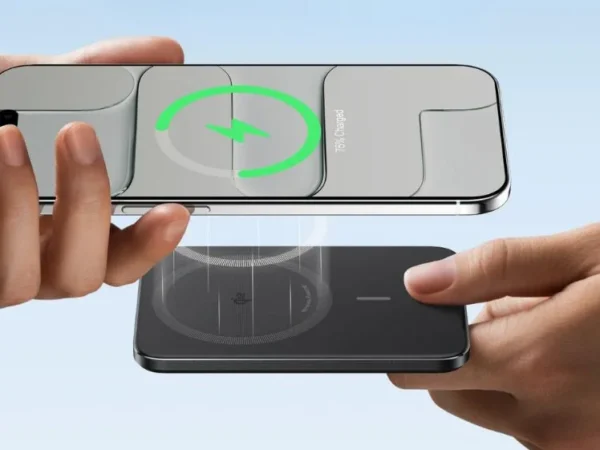
Jet2 has issued an important safety reminder to holidaymakers carrying power banks, e-cigarettes and other lithium battery products on flights from the United Kingdom.
The airline says power banks and e-cigarettes must travel in hand luggage and must never enter checked hold baggage. Once onboard, passengers must keep the bag containing these items under the seat in front of them rather than inside an overhead locker.
The guidance affects travellers flying to Jet2’s extensive leisure network, including popular destinations across Spain, Greece, Italy and the wider Mediterranean. Passengers who pack incorrectly could face baggage intervention, delays or the removal of restricted products.
Jet2 has urged customers to inspect their luggage before leaving home. The reminder is intended to reduce confusion at airports while protecting passengers and crew from fires associated with damaged, defective or improperly stored batteries.
Power banks must remain under the seat
Jet2 permits each customer to carry no more than two power banks. Each power bank must not exceed a capacity of 160 watt-hours and must be individually protected against short circuits.
Passengers must carry power banks inside their hand luggage and place that bag beneath the seat in front. They cannot recharge a power bank during the flight or use it to charge or power another electronic device onboard.
The under-seat requirement allows passengers and crew to notice heat, smoke, swelling or another sign of battery failure more quickly. A device inside a crowded overhead compartment may be harder to identify and reach during an incident.
Jet2 also permits up to 20 spare or loose lithium batteries within the applicable limits. These must remain in hand luggage, with each battery individually protected from a short circuit.
Original retail packaging offers suitable protection when available. Alternatively, travellers can place batteries in separate protective cases or strong plastic bags. Electrical tape can also cover exposed terminals.
Strict rules apply to e-cigarettes
E-cigarettes, e-cigars, e-pipes and personal vaporizers containing batteries are also limited to hand luggage. Passengers must protect each device against accidental activation and short circuits.
Jet2 does not permit passengers to recharge these devices onboard. Smoking and using e-cigarettes remain strictly prohibited throughout its aircraft, including inside the toilets.
Travellers should also research the laws at their destination before packing a vape. Entry, possession and use restrictions can vary between countries, even when an airline permits the device in cabin baggage.
If airport teams move a cabin bag into the hold at the boarding gate, passengers should remove all power banks, e-cigarettes and spare lithium batteries first. Those products must stay with the passenger in the aircraft cabin.
Damaged batteries remain prohibited
Jet2 prohibits damaged lithium batteries because defects can increase the risk of overheating and fire. Travellers should not fly with equipment showing swelling, cracks, leaking, unusual heat or other visible damage.
Small lithium battery-powered personal vehicles are also banned from Jet2 flights. The restriction covers products such as air wheels and similar self-balancing transport devices, whether passengers attempt to carry them in the cabin or hold.
The airline advises customers to package permitted electronic equipment securely, protect it against damage and prevent unintentional operation.
David Hills, Jet2’s Chief Customer Officer, said many customers travel with everyday products such as power banks and e-cigarettes. He encouraged passengers to check where these items are packed before setting out for the airport.
UK guidance supports safer packing
UK aviation guidance treats power banks as spare batteries because their primary purpose is supplying electrical energy. They must therefore travel in carry-on baggage and receive protection against short circuits.
Power banks rated up to 100 watt-hours are generally permitted without individual airline approval. Products between 100 and 160 watt-hours normally require operator approval, while batteries exceeding 160 watt-hours are prohibited from passenger baggage.
Jet2 provides automatic operator approval for permitted power banks above 100 watt-hours and up to 160 watt-hours, subject to its conditions. Passengers should check the rating printed on the product before travelling.
Lithium battery incidents can involve thermal runaway, during which a cell rapidly heats and may release smoke, flammable gases or fire. Keeping higher-risk portable products in the cabin supports faster detection and intervention.
Better preparation supports smoother holidays
Incorrectly packed batteries can create delays during baggage screening. Airport teams may need to locate a suitcase, contact its owner and remove prohibited items before loading can continue.
Passengers can avoid that disruption by making a simple electronics inventory. They should check every power bank, spare cell, vape and battery-powered device before closing their luggage.
Clear packing rules also support confidence in air travel to Mediterranean destinations. Reliable departures remain important for resorts, hotels, tour operators and visitor economies that depend heavily on seasonal UK demand.
For Jet2 customers, the message is straightforward: keep power banks and e-cigarettes in hand luggage, store the bag beneath the seat, protect all terminals and never use or recharge those products during the flight. A careful check at home can help ensure a safer aircraft cabin and a smoother beginning to the holiday.
For more travel news like this, keep reading Global Travel Wire