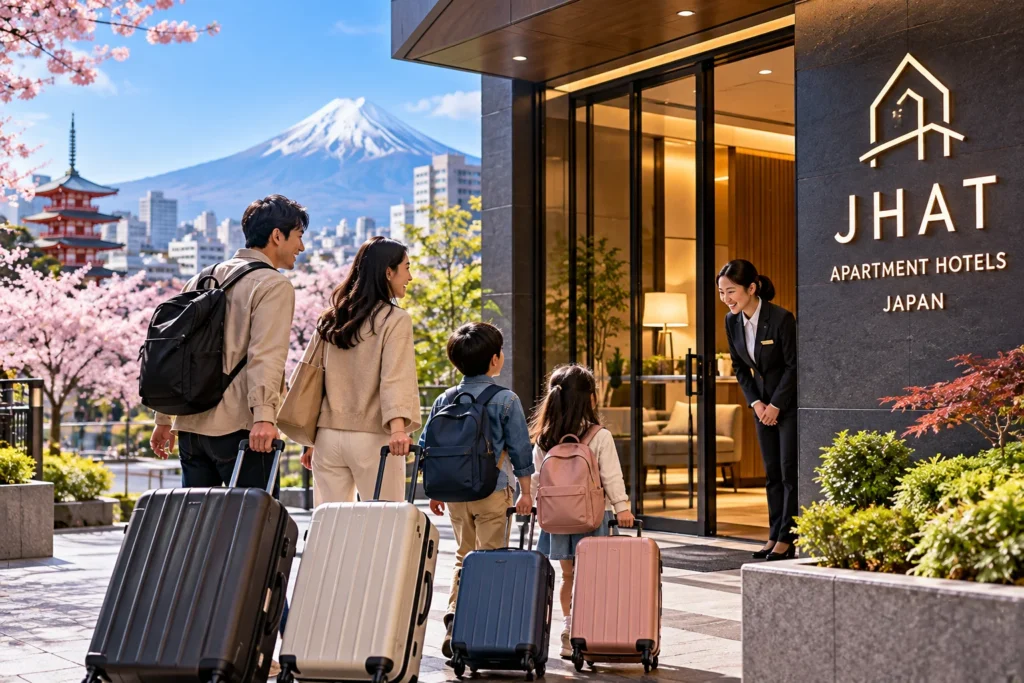
Hospitality operator JHAT Co., Ltd. is accelerating the expansion of its flexible accommodation portfolio across major urban gateways and regional destinations, capitalizing on Japan’s historic inbound travel surge. Through its popular hotel MONday and MONday Apart brands, the company is transforming extended-stay hospitality by combining traditional Japanese service standards with spacious, apartment-style layouts tailored for international families and long-haul travelers.
The expansion comes as official government tourism figures reveal record-breaking national growth. In 2025, Japan welcomed approximately 42.7 million international visitors, generating roughly ¥9.5 trillion in national tourism expenditure. As global demand shifts toward longer stays, cultural immersion, and flexible lodging, apartment-style operations are filling a critical gap in the country’s evolving hospitality landscape.
Timeless Cultural Appeal Drives Global Travel Demand
Japan’s enduring draw lies in its unique capacity to preserve centuries-old cultural heritage while continuously evolving alongside modern technology. Centuries of history give the island nation a deep identity that resonates with international visitors exploring urban hubs and rural landscapes alike.
Cultural coexistence remains a defining characteristic of everyday Japanese life. Over 1,500 years ago, Buddhism merged with native Shinto traditions, establishing a harmonious relationship still visible across major historical sites. In cultural capitals such as Kyoto, historic temples and shrines stand side by side, reflecting a lifestyle where traditional customs seamlessly blend with modern societal norms.
This ability to assimilate outside influences and craft distinctly local experiences extends to culinary traditions as well. Dishes introduced from foreign nations—such as curry and various regional cuisines—were systematically adapted to local tastes over generations. Furthermore, the 250-year period of national isolation during the Edo era allowed internal art forms, craftsmanship, and social customs to flourish without external interference. Following the Meiji Restoration, the country rapidly adopted global technology while preserving its foundational values, creating a balanced travel environment that feels both comfortably familiar and strikingly original.
Infrastructure Readiness for the 60 Million Visitor Goal
Japan’s national tourism strategy has established ambitious long-term objectives, aiming to attract 60 million annual international visitors and achieve ¥15 trillion in annual traveler spending by 2030. To support this rapid expansion, government agencies and transport operators continue to invest heavily in public infrastructure, upgrading international airport capacities and expanding regional transport networks.
While primary urban centers like Tokyo, Osaka, and Kyoto maintain high hotel occupancy rates, significant growth opportunities exist across regional prefectures. Domestic connectivity via the Shinkansen high-speed rail, express highways, and regional air routes allows travelers to navigate beyond major cities with ease. Regional destinations offer rich cultural depth, hot spring resorts, and natural landscapes capable of supporting extended itineraries.
Long-haul travelers from North America and Europe typically average stays ranging from ten days to two weeks. The sheer variety of regional attractions ensures that Japan can comfortably accommodate longer travel itineraries while dispersing visitor volume across less-congested destinations nationwide.
Bridging Cultural Preferences and Modern Lodging Needs
Japan’s traditional approach to hospitality emphasizes privacy, politeness, and structured social distance. These cultural norms have shaped residential life and contributed to strict local regulations governing short-term residential rentals (minpaku), particularly within Tokyo’s various municipal wards.
At the same time, the traditional Japanese business hotel model—built around compact rooms designed primarily for solo travelers—often falls short of meeting the needs of modern international families. Family groups and extended-stay guests require larger living spaces, dedicated kitchen facilities, and practical room layouts that allow them to travel comfortably without sacrificing convenience.
JHAT’s apartment-style hotel model bridges this market gap by operating fully licensed, purpose-built accommodations. By combining stringent safety and cleanliness standards with residential functionality, brands like MONday Apart provide international visitors with the room needed for multi-week stays.
As Japan progresses toward its 2030 tourism benchmarks, the expansion of hybrid apartment-style hotels ensures the country’s hospitality sector can accommodate evolving traveler demographics while preserving the exceptional service standards that define Japanese travel experiences.
For more travel news like this, keep reading Global Travel Wire