Navigating major transit hubs requires careful planning, especially when unexpected schedule adjustments ripple through the domestic aviation network. Passengers passing through the Upper Midwest face significant scheduling challenges today. Official operational updates indicate that Minneapolis-St. Paul International Airport flight delays and cancellations are affecting numerous domestic routes, grounding passengers and forcing airlines to adjust their schedules.
For individuals coordinating leisure trips, family vacations, or business regional travel, understanding the scale of these disruptions is essential for maintaining a smooth itinerary. By relying on official data and established passenger guidelines, travelers can effectively manage these modern transit hurdles.
The Scope of Current Air Traffic Adjustments at MSP
On June 20, 2026, Minneapolis-St. Paul International Airport (MSP) experienced notable operational bottlenecks. Official terminal tracking logs confirmed a total of 112 flight delays and 11 complete flight cancellations. These disruptions primarily impacted high-traffic domestic corridors connecting Minnesota with major commercial and leisure hubs, including Chicago, New York, and Dallas.
The operational slowdown affected several major U.S. carriers and regional operators. According to verified scheduling statistics, the impact per carrier was distributed as follows:
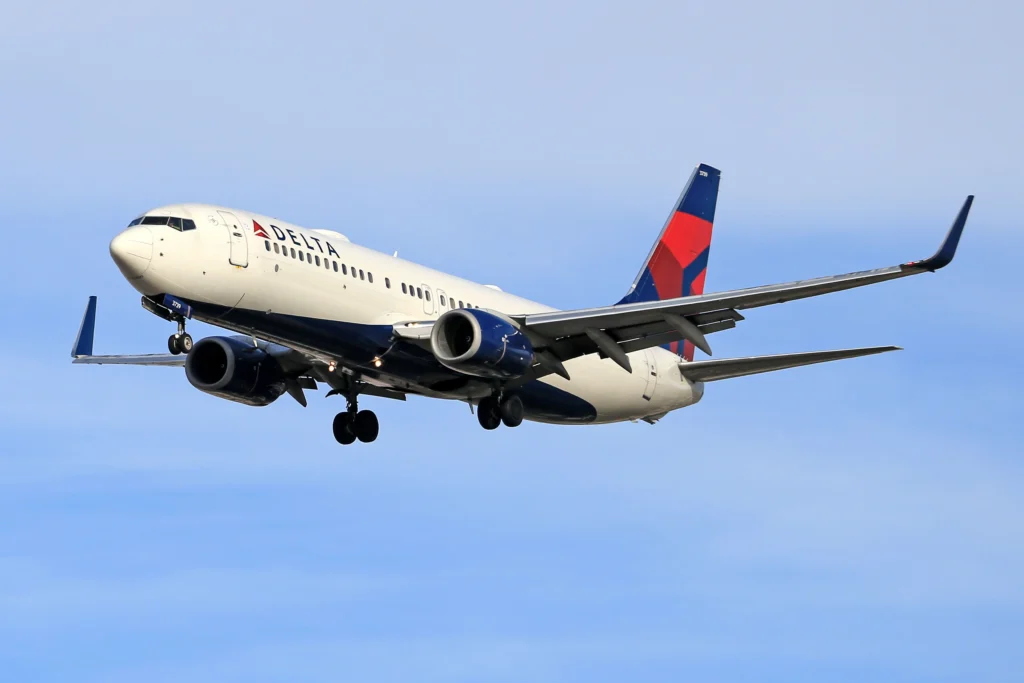
Delta Air Lines: As a dominant carrier at the MSP hub, Delta logged 4 cancellations and 51 delayed flights, impacting a substantial volume of connecting passengers.
American Airlines: The carrier recorded 4 cancellations alongside 1 delayed operation, representing a high ratio of outright cancellations for its scheduled routes.
Southwest Airlines: Known for point-to-point domestic networks, Southwest reported 1 cancellation and 11 operational delays.
PSA Airlines: Operating regional feeder services to connect smaller communities with the main hub, this carrier registered 2 cancellations with no additional delays.
In total, these 123 impacted operations created immediate congestion within the passenger terminals, stalling the transit plans of hundreds of travelers moving through the Midwest.
Systemic Pressures on the Midwest Aviation Grid
Minneapolis-St. Paul International Airport serves as an essential gateway for the United States infrastructure. Because the domestic aviation grid is highly centralized, operational slowdowns at a primary transfer hub like MSP rarely remain localized. Instead, they propagate across time zones, creating rolling delays that affect subsequent aircraft rotations, gate availability, and federal crew rest allocations nationwide.
Aviation safety regulations and strict airline operating protocols dictate that passenger security remains the paramount priority. When unexpected operational constraints, regional weather patterns, or mechanical assessments arise, air carriers must proactively modify itineraries. While these choices ensure that every flight meets strict public safety parameters, they simultaneously place immense pressure on ground handling efficiency, terminal baggage routing systems, and gate turnaround time windows.
The consequences for tourism and regional hospitality are immediate. Widespread delays cause passengers to miss tight connection windows, forcing extended wait times at customer service desks. These bottlenecks can lead to short-term strains on local hospitality infrastructure, including sudden fluctuations in airport hotel bookings and regional rental car availability.
Official Guidance for Disrupted Passengers
Airlines and airport authorities continuously work in coordination to clear operational backlogs and restore normal flight frequencies. Representatives from major carriers emphasize that passengers should remain calm and leverage digital tools to expedite their rebooking processes rather than relying solely on physical service queues.
The U.S. Department of Transportation and aviation authorities provide clear framework recommendations for navigating major flight interruptions:
Rely on Real-Time Digital Updates: Travelers should actively monitor airline mobile applications, email notifications, and text alerts. These digital platforms typically receive automated rebooking confirmations and gate changes before terminal boards are updated.
Verify Alternative Routings Immediately: Before approaching customer service staff, check the carrier’s digital portal to identify available seats on alternative flights later in the day or the following morning.
Utilize Multi-Channel Communication: To bypass long lines at terminal desks, passengers can simultaneously utilize the airline’s online chat functions or contact telephone helplines.
Understand Passenger Rights and Benefits: Familiarize yourself with the specific airline’s customer service commitment policies. Depending on the nature of the delay, carriers may provide meal vouchers, complimentary hotel accommodations for overnight stays, or seamless transfers to partner airlines.
Maintain Multi-Modal Flexibility: If alternative flights are severely limited, travelers should evaluate secondary transport options, such as regional rail networks or interstate bus lines, to reach their final destinations.
Looking Ahead: Normalizing Airport Operations
Operations teams at Delta, American, and Southwest Airlines are actively working to re-route misplaced aircraft and reposition flight crews to normalize schedules. While conditions at the terminals remain fluid, historical data shows that standard operational capacity typically stabilizes within 24 to 48 hours following a localized slowdown.
As technicians finish necessary aircraft safety inspections and schedulers balance crew allocations, passengers are urged to verify their flight status before departing for the airport. By staying informed through verified aviation updates and remaining adaptable, modern tourists can successfully navigate unexpected disruptions and secure their travel objectives.
For more travel news like this, keep reading Global Travel Wire