Croatia is preparing to strengthen its position in Mediterranean luxury tourism with the opening of Mövenpick Hotel & Residences Kvarner Bay, a major mixed-use resort combining hotel accommodation, branded residences, wellness, dining and event facilities on the northern Adriatic coast.
Scheduled to open in mid-2026, the development will feature 199 hotel rooms and 304 residences, creating a large integrated hospitality destination in Novi Vinodolski. The property will also include 14,000 square metres of wellness and spa facilities, five dining venues and approximately 2,600 square metres of event space.
The project gives Kvarner Bay a stronger presence in the premium coastal market while adding accommodation designed for short holidays, extended stays, second-home ownership and business events. It also places Croatia more firmly alongside established Mediterranean luxury destinations such as Italy, Spain, France, Greece and neighbouring Montenegro.
Branded Residences Expand the Resort Model
The inclusion of 304 residences is central to the project’s tourism and investment appeal.
Branded residences combine private ownership with hotel-style services, creating a product that serves property buyers while supporting the wider resort economy. Owners may gain access to facilities such as wellness areas, pools, restaurants and managed hospitality services, while the destination benefits from a more consistent base of long-stay and repeat visitors.
This format is becoming increasingly visible across Mediterranean resort markets, where international hotel groups are moving beyond conventional room inventory. Mixed-use developments allow operators to create year-round communities rather than properties dependent only on seasonal hotel bookings.
For Croatia, the model could help diversify coastal accommodation and attract travelers seeking more space, privacy and longer stays without losing access to a globally recognized hospitality brand.
Wellness Facilities Target Year-Round Demand
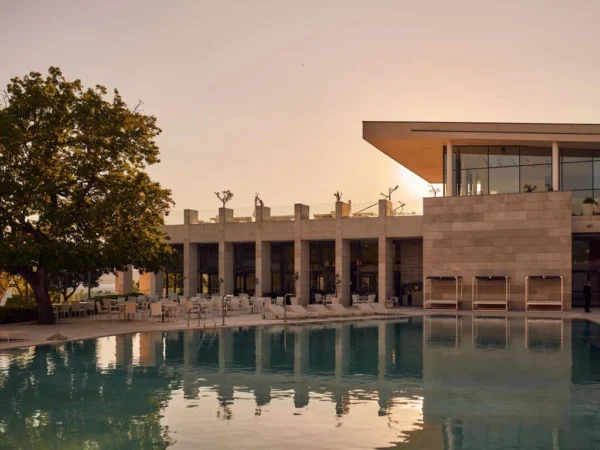
Mövenpick Kvarner Bay will include one of the region’s largest wellness and spa centres, supported by indoor, thalassotherapy and hydrotherapy pools as well as outdoor swimming areas overlooking the Adriatic.
This emphasis on wellness could help Novi Vinodolski reduce its dependence on the traditional summer holiday season. Spa breaks, health-focused stays, conferences and short coastal retreats can attract guests during spring, autumn and winter, creating steadier demand for hotel employees and local tourism businesses.
Croatia’s tourism policy increasingly prioritizes more balanced, sustainable and year-round development. National planning has emphasized competitiveness, regional balance, resilience and the creation of higher-quality tourism products capable of spreading visitor activity beyond peak periods.
The resort’s wellness scale, therefore, aligns with a wider national objective to develop tourism experiences that generate value across a longer operating calendar.
Dining and Events Broaden Visitor Spending
Five dining venues will give the resort opportunities to showcase Mediterranean flavors and regional food traditions while serving hotel guests, residence owners, event delegates and outside visitors.
Food and beverage offerings can become important tourism attractions in their own right, particularly when they connect international brand standards with local ingredients and Adriatic dining culture.
The property’s event facilities will add another source of demand. With 13 meeting rooms, a largest room of about 340 square metres and capacity for more than 300 attendees, the resort is positioned to host conferences, corporate gatherings, celebrations and destination weddings.
This combination supports a broader visitor economy. Business events and private functions can generate spending across accommodation, transport, catering, entertainment and local excursions, helping tourism activity reach beyond conventional leisure travel.
Novi Vinodolski Gains a Higher International Profile
Novi Vinodolski sits on the Kvarner coastline within reach of Rijeka and other northern Adriatic destinations. Its coastal setting, islands, sailing routes, beaches and green hinterland give it strong potential for active, wellness and lifestyle tourism.
The Mövenpick development can raise the town’s international visibility by placing it within Accor’s global distribution and loyalty ecosystem. That exposure may attract new travelers who previously focused on more established Croatian destinations farther south.
It could also support local employment and supplier demand across housekeeping, food production, maintenance, excursions, transport and marine activities.
However, the growth of large coastal projects will also place greater importance on careful destination management. Croatia’s tourism framework increasingly stresses protecting natural resources, managing development responsibly and maintaining quality of life for local communities.
Croatia Competes in the Mediterranean Premium Market
The resort arrives as competition intensifies across southern Europe.
Italy, Spain, France and Greece retain powerful luxury travel brands, while Montenegro is expanding its own pipeline of branded hotels and residences. Accor is also preparing a Mövenpick hotel and residences project in Kotor Bay, demonstrating the growing importance of mixed-use hospitality across the Adriatic.
Croatia’s advantage lies in combining established coastal appeal with opportunities for less crowded, experience-led development in emerging destinations.
Mövenpick Hotel & Residences Kvarner Bay represents that shift. By integrating 199 rooms, 304 residences, extensive wellness facilities, dining and event spaces, the project creates a complete tourism ecosystem rather than a standalone hotel.
Its arrival is expected to strengthen Novi Vinodolski, broaden Kvarner Bay’s international reach and advance Croatia’s transition toward higher-value, year-round Adriatic tourism.
For more travel news like this, keep reading Global Travel Wire