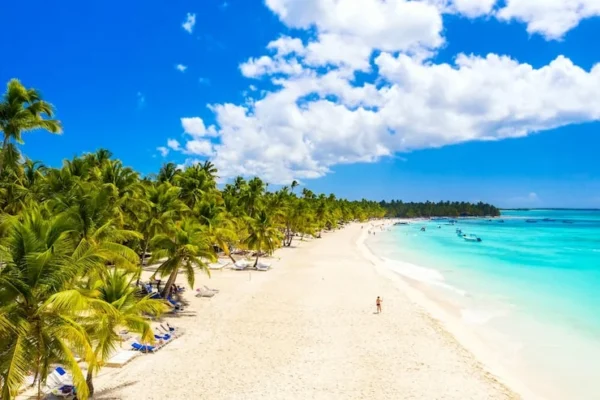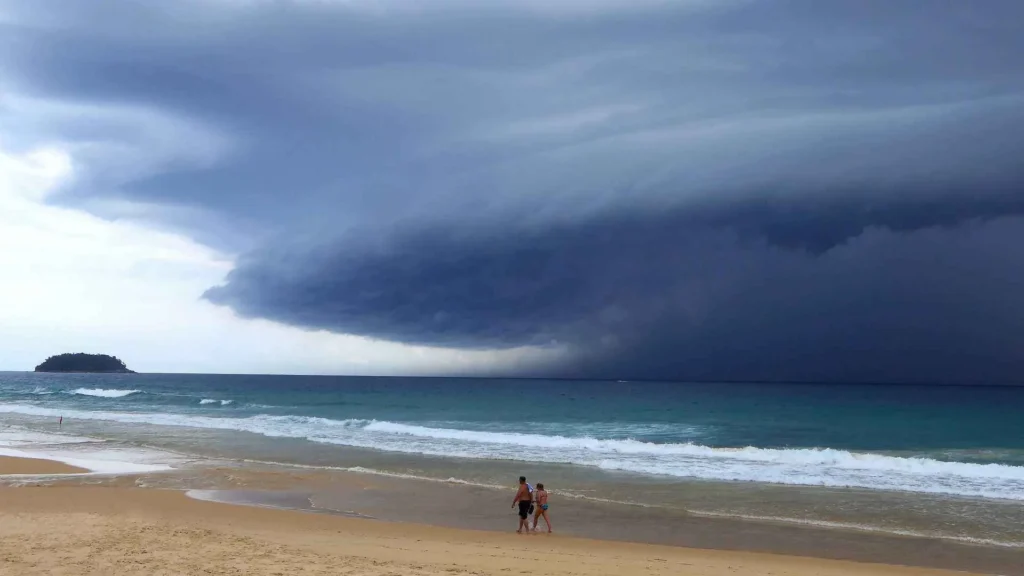
Phuket’s southwest monsoon is reshaping beach holidays across Patong, Karon and Kamala as rough seas, strong winds and dangerous currents increase pressure on swimming, marine excursions and coastal tourism.
The island remains open to visitors, and tourism activity continues across Phuket. However, conditions along the exposed west coast can change quickly during the monsoon, making beach warning flags and marine safety instructions especially important.
Patong, Karon and Kamala are among Phuket’s most popular tourism areas. Their west-facing locations also leave them more exposed to seasonal swells generated across the Andaman Sea.
For travellers, the key distinction is simple: a beach can remain attractive and accessible even when entering the water is unsafe.
Red flags change the west-coast beach experience
During periods of dangerous surf, red flags are used to warn visitors against swimming.
Tourists should not judge sea safety simply by sunshine, visibility or the appearance of the shoreline. Rip currents can remain powerful even when conditions appear manageable from the beach.
That can significantly alter holiday plans in Patong, Karon and Kamala, where swimming and water-based recreation are central parts of the visitor experience.
When red flags are displayed, tourists should remain out of the water and follow instructions from lifeguards and local authorities.
Visitors should also avoid assuming that experienced swimming ability provides protection against strong currents. Monsoon-driven sea conditions can overwhelm even confident swimmers.
Official warnings highlight strong Andaman waves
The seasonal risks are supported by official weather guidance.
On May 31, the Thai Meteorological Department warned that a rather strong southwest monsoon was affecting the Andaman Sea and southern Thailand.
The department forecast waves of 2–3 metres in the upper Andaman Sea from Phuket northward, with waves exceeding three metres during thunderstorms.
Authorities advised all vessels to proceed cautiously, avoid thunderstorms and keep small boats ashore during dangerous conditions.
Those warnings demonstrate why marine excursions can be disrupted even when resorts and land-based tourism businesses continue operating normally.
Boat excursions face greater uncertainty
Phuket’s marine tourism economy depends heavily on speedboats, tour vessels and smaller craft carrying visitors to beaches, islands and coastal attractions.
During periods of strong winds and higher waves, operators may need to delay, modify or cancel departures.
Thailand’s Marine Department reinforced that concern on August 4 by issuing an official navigation warning concerning strong winds and waves across the upper Andaman Sea and upper Gulf.
For visitors, this means an island-hopping itinerary should never be treated as guaranteed during the monsoon.
Travellers should confirm departures directly with authorised operators on the day of travel and avoid pressuring operators to sail when conditions are unsuitable.
Patong, Karon and Kamala are not the whole Phuket experience
Rough conditions on Phuket’s western beaches do not mean the entire island becomes unsuitable for tourism.
Phuket offers a broad range of alternatives when swimming or boat excursions are restricted.
Visitors can explore Phuket Old Town, enjoy local restaurants, visit cultural attractions, spend time in resort spas or shift toward shopping and indoor entertainment.
This flexibility is particularly useful during the southwest monsoon, when weather conditions may vary significantly throughout the day.
Tourists can also structure itineraries around a mixture of marine and land-based activities rather than placing several consecutive days around boat trips.
Travellers should build flexibility into holidays
Visitors staying in Patong, Karon and Kamala should expect seasonal adjustments rather than assuming their holiday has been disrupted entirely.
Swimming plans should depend on local warning flags.
Marine excursions should depend on official weather conditions and operator assessments.
Travellers should also keep additional time available if weather delays affect transfers or day tours.
A flexible itinerary reduces the risk of one rough-sea day disrupting an entire Phuket holiday.
Resorts, hotels and local tourism operators can also help visitors identify alternative experiences when marine conditions deteriorate.
Tourism operators balance experience and safety
The monsoon is a recurring feature of Phuket’s tourism calendar, and tourism businesses regularly adapt their operations around seasonal weather.
However, strong southwest monsoon periods can still place significant pressure on marine operators, particularly those using smaller vessels.
The official May 31 weather warning showed how quickly Andaman Sea conditions can intensify, while the August Marine Department notice again highlighted the need for navigation caution.
These measures are designed to reduce risk rather than discourage tourism.
Phuket remains attractive despite seasonal disruption
Patong, Karon and Kamala remain major components of Phuket’s international tourism appeal.
The current monsoon conditions do not remove that appeal, but they change how visitors should experience the island.
Travellers should treat red flags as firm safety instructions, expect possible boat cancellations and avoid building rigid itineraries around sea activities.
Phuket still offers beaches, culture, dining, nightlife, wellness and heritage experiences when the ocean becomes unsuitable.
For visitors travelling during the monsoon, flexibility is therefore the most valuable addition to the suitcase.
For more travel news like this, keep reading Global Travel Wire