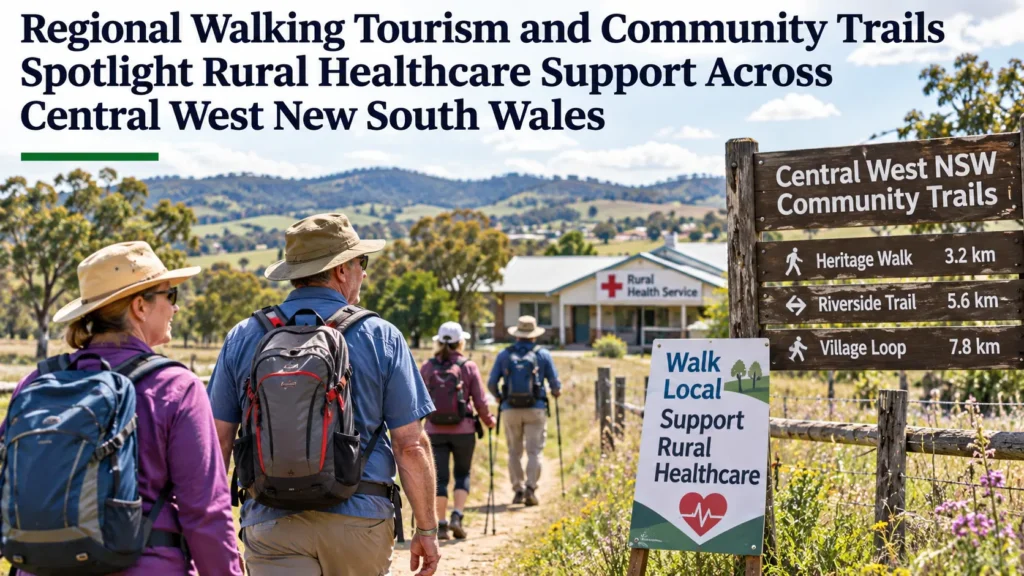
Grassroots outdoor initiatives and active lifestyle journeys are reshaping regional exploration across Australia, demonstrating how community-driven endeavors and scenic trail networks spotlight critical rural services. In Orange, situated in the Central West region of New South Wales, a local six-year-old resident captured national admiration by completing an ambitious 42-kilometre walking journey across the district. The trek was organized to champion rural healthcare awareness and generate financial contributions for the Royal Flying Doctor Service, an iconic aeromedical institution that safeguards residents, regional travelers, and outback adventurers across the continent.
This milestone reflects an expanding travel movement where outdoor recreation, wellness pursuits, and civic purpose merge to elevate the regional visitor economy. By walking the distance across local parks and walking tracks throughout October, the initiative surpassed initial fundraising projections manifold, underscoring the deep connection between rural trail networks and essential community infrastructure.
The Rise of Purpose-Driven Walking Routes in Regional Destinations
Active tourism has grown into a cornerstone of regional travel strategies developed by state and regional tourism authorities. Walking holidays, trail challenges, and nature walks allow visitors to immerse themselves in local heritage while engaging directly with the cultural fabric of rural townships. When domestic travelers explore regional districts on foot, they experience historic precincts, native landscapes, and municipal parks at an unhurried pace, generating direct expenditure for independent regional businesses, farm gates, and accommodation providers.
The Orange district offers an exceptional backdrop for outdoor pursuits and nature-based exploration. Nestled at an elevation above 800 metres in the shadow of Mount Canobolas, the area features an established network of scenic paths designed for a broad spectrum of fitness levels. Popular routes include the summit trails of Mount Canobolas State Conservation Area, the tranquil lakeside paths around Lake Canobolas, and the undulating tracks around Federal Falls. Within the township itself, the dedicated Orange Heritage Trail links historic civic buildings, botanical displays, and urban parklands, encouraging residents and visitors alike to maintain active lifestyles while learning about regional history.
These public trail networks serve dual roles: they encourage preventive community health by facilitating regular physical movement, and they offer high-value outdoor recreation assets that draw eco-tourists and weekend hikers from major metropolitan centres.
Safeguarding Travelers and Communities Across Regional Australia
Traversing regional and remote landscapes requires dependable emergency infrastructure. For tourists venturing into national parks, rural farming communities, and outback wilderness corridors, aeromedical services provide a vital safety net. The Royal Flying Doctor Service operates extensive networks that deliver round-the-clock emergency medical response, critical hospital transfers, and essential healthcare clinics across vast distances.
Beyond clinical operations, the Royal Flying Doctor Service plays an active role in regional tourism through dedicated educational hubs, including the Royal Flying Doctor Visitor Experience in Dubbo and the Broken Hill Outback Heritage Experience. These official visitor attractions showcase interactive aeronautical displays, medical flight simulators, and heritage exhibitions that celebrate the pilots, physicians, and flight nurses dedicated to regional wellbeing. Tourism receipts and voluntary contributions gathered through these centres directly support the ongoing maintenance of specialized aircraft and emergency retrieval gear.
When young community advocates embark on endurance walks to support aeromedical healthcare, they bring renewed visibility to the remote health workers who make adventurous regional travel viable and secure.
Economic and Wellbeing Benefits of Regional Trail Networks
Official tourism releases and regional economic statistics emphasize that trail development yields compounding benefits for regional destinations. Walking trails attract diverse visitor cohorts, including multi-generational families, nature photographers, endurance runners, and cultural heritage enthusiasts.
Municipal councils throughout the Central West continue to invest in accessible track infrastructure, wayfinding signage, and community amenities to support sustainable tourism growth. These public investments deliver verified returns:
Encouraging longer average lengths of stay among domestic visitors, leading to enhanced spending across regional cafes, boutique hotels, and regional markets.
Reducing the ecological footprint of leisure activities by prioritizing non-motorized mobility and pedestrian-friendly town centres.
Fostering intergenerational participation, where individuals of all ages can engage in civic fundraising, personal wellness goals, and outdoor exploration.
By linking recreational walking trails with broader charitable and educational causes, communities transform physical recreation into a powerful catalyst for regional resilience.
Looking Forward: Inspiring Sustainable Community Travel
The success of grassroots walking achievements illustrates how individual leadership can galvanize regional pride and inspire wider travel trends. As tourism boards continue to promote wellness holidays, walking festivals, and sustainable regional journeys, destinations like Orange showcase the natural affinity between active outdoor trails and community solidarity.
Travelers planning upcoming escapes to regional New South Wales are increasingly encouraged to pack their walking shoes, explore marked regional trails, and support local community initiatives. In doing so, visitors celebrate the natural beauty of the Central West while helping sustain the vital regional healthcare networks that protect communities and travelers across the Australian landscape.
For more travel news like this, keep reading Global Travel Wire