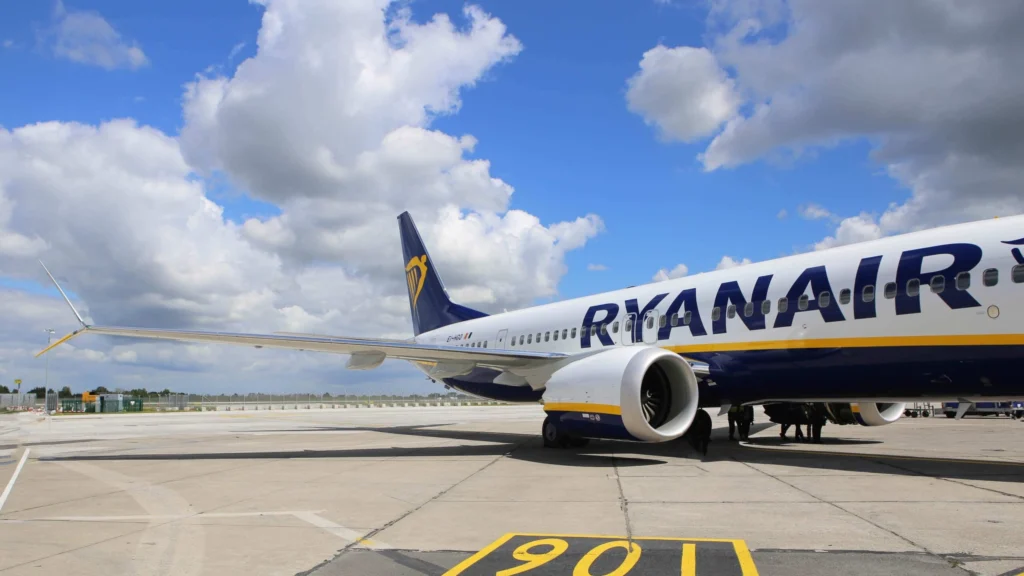
Ryanair, backed by several European nations including Poland, Germany, Spain, Iceland, Hungary, France, Italy and Portugal, is urging the European Union to delay the rollout of its Entry/Exit System (EES), warning of major disruptions during the peak summer travel season. The airline has raised concerns that the system is not fully prepared, risking widespread delays, long queues and missed flights for millions of passengers.
With summer being Europe’s busiest travel period, the call reflects growing pressure on authorities to ensure smooth airport operations and avoid unnecessary chaos.
What the Entry/Exit System Means for Travelers
The Entry/Exit System is a digital border management platform designed to replace passport stamping with biometric data collection. It records fingerprints and facial recognition details of non-EU travelers entering and exiting the Schengen Area.
The system aims to improve border security, track overstays and modernize immigration processes. However, its implementation requires advanced infrastructure, including biometric kiosks, trained staff and seamless digital integration across airports.
While the long-term benefits include improved efficiency and security, the transition phase is expected to present significant operational challenges.
Airports Face Readiness Challenges Ahead of Peak Season
Ryanair has warned that many European airports are not adequately prepared to handle the new biometric procedures. Despite years of planning, infrastructure gaps and staffing shortages remain key concerns.
Airports operating at full capacity during summer could face severe congestion at passport control. The addition of biometric checks is expected to slow processing times, leading to longer queues and increased risk of delays.
The airline argues that introducing the system during peak travel months could overwhelm airport operations, creating a ripple effect across flight schedules and passenger experiences.
European Countries Back Call to Protect Travelers
Several EU nations have joined Ryanair in calling for a postponement, citing similar concerns about readiness and potential disruption. Countries with major aviation hubs, including Germany, France, Spain and Italy, have emphasized the need for additional preparation time.
Tourism-dependent economies such as Spain, Italy and Portugal are particularly cautious, as delays at airports could negatively impact visitor experiences and overall tourism performance during the high season.
Smaller markets like Iceland and Hungary have also expressed concerns, noting that even limited capacity constraints could lead to bottlenecks under the new system.
Potential Impact on Airlines and Tourism Industry
If implemented without delay, the EES system could significantly affect airline operations. Longer processing times may lead to delayed departures, increased turnaround times and operational inefficiencies.
For travelers, the immediate impact could include extended waiting times, missed connections and added stress during peak travel periods. Airlines may need to adjust check-in procedures and advise passengers to arrive earlier at airports.
The tourism industry could also feel the effects, particularly in destinations reliant on smooth and efficient airport operations. Any disruption during summer could impact visitor satisfaction and spending patterns.
Industry Calls for Phased Implementation Approach
Ryanair and supporting governments are advocating for a delay until after the summer season, allowing more time to test and refine the system. A phased rollout is being suggested as a way to minimize disruption while gradually introducing the new technology.
Such an approach would enable airports to address infrastructure gaps, train staff and ensure systems are fully operational before handling peak passenger volumes.
The aviation industry is emphasizing that while modernization is necessary, timing is critical to avoid unintended consequences during high-demand periods.
Outlook: Balancing Security with Seamless Travel
The debate surrounding the Entry/Exit System highlights the challenge of balancing enhanced security with efficient travel experiences. While the system represents a major step forward in border management, its success depends on careful implementation.
As discussions continue, the decision on whether to delay the rollout will play a crucial role in shaping Europe’s summer travel season. Ensuring readiness will be key to maintaining traveler confidence and supporting the region’s tourism recovery.
For more travel news like this, keep reading Global Travel Wire