South Africa’s tourism sector is experiencing a strong surge in 2026, driven by shifting global travel patterns amid geopolitical tensions in the Middle East. Despite disruptions linked to conflict affecting key transit hubs, the country has recorded robust international arrivals, positioning itself as a resilient and attractive destination for global travelers.
Countries including Iraq, Saudi Arabia, Qatar, the United Arab Emirates, Oman, the Netherlands, Germany and Canada are contributing to the growth, reflecting a broad mix of regional and long-haul demand.
Strong Q1 Performance Signals Tourism Resilience
Tourism data for the first quarter of 2026 highlights South Africa’s resilience. Visitor numbers have shown consistent growth month after month, with March alone recording more than 900,000 arrivals, marking a significant year-on-year increase.
January welcomed nearly 1.4 million visitors, followed by over 1.1 million in February and continued growth into March. These figures underscore steady recovery and expansion despite external pressures affecting global travel networks.
The sustained upward trend indicates strong confidence among international travelers and reinforces South Africa’s competitive position in the tourism market.
European and Western Markets Drive Long-Haul Growth
Key long-haul markets have played a crucial role in boosting tourism numbers. The United Kingdom, Germany, the United States, France and the Netherlands remain among the top contributors, collectively accounting for a large share of overseas arrivals.
These markets continue to show strong demand for South Africa’s diverse offerings, including wildlife safaris, coastal destinations and cultural experiences. European travelers, in particular, are returning in significant numbers, supporting hotel occupancy and tourism-related businesses.
Growth from the Americas has also been notable, with Brazil emerging as one of the fastest-growing source markets.
Regional African Travel Strengthens Tourism Base
Regional tourism remains a cornerstone of South Africa’s success, with neighboring countries contributing a significant portion of arrivals. Visitors from Southern African Development Community nations account for the majority of inbound tourism, reflecting strong regional connectivity and economic ties.
Countries such as Zimbabwe, Mozambique, Botswana and Lesotho continue to drive cross-border travel, supported by proximity and cultural links. This regional strength provides stability to the tourism sector, even as global conditions fluctuate.
The high volume of regional visitors also supports local economies, particularly in border regions and major urban centers.
Middle East Disruptions Reshape Travel Flows
Geopolitical tensions linked to the Iran conflict have significantly impacted global travel routes, particularly through major Middle Eastern hubs such as Dubai, Doha and Abu Dhabi. These cities have traditionally served as key transit points connecting Africa with Europe, Asia and the Americas.
Disruptions in airspace and declining passenger confidence have led to reduced travel from the Middle East and parts of Asia. Tourist arrivals from the Middle East have dropped sharply, while Asian markets have also seen declines due to logistical challenges and safety concerns.
As a result, travelers are increasingly seeking alternative routes and destinations, contributing to South Africa’s growth.
Tourism Industry Adapts with Strategic Investments
South Africa’s tourism growth is not solely driven by external factors. Strategic initiatives, including expanded air connectivity, infrastructure development and targeted marketing campaigns, have strengthened the country’s appeal.
Efforts to promote eco-tourism, cultural experiences and digital travel solutions are enhancing visitor experiences and attracting a broader audience. Government policies aimed at improving visa processes and transportation networks are also supporting the sector’s expansion.
These measures are helping the country maintain momentum and capitalize on changing travel trends.
Economic Impact Across Hospitality and Aviation
The increase in international arrivals is delivering positive economic impacts across multiple sectors. Hotels, airlines, tour operators and local businesses are benefiting from higher demand, leading to increased employment and revenue generation.
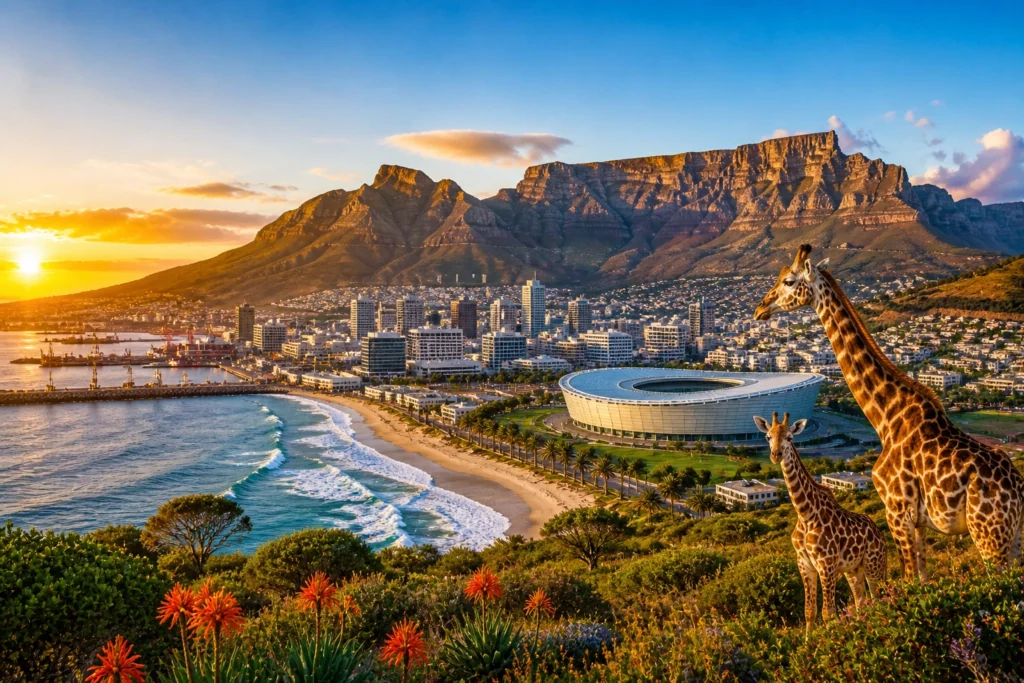
Tourism spending is contributing to economic growth, particularly in key destinations such as Cape Town and other major cities. The sector’s performance highlights its importance as a driver of national development.
Outlook: South Africa Positioned for Sustained Growth
South Africa’s ability to adapt to global challenges and attract diverse markets positions it well for continued growth. As travelers seek safe, accessible and experience-rich destinations, the country is emerging as a preferred choice.
With ongoing investments and strong international demand, South Africa’s tourism sector is expected to maintain its upward trajectory. The country’s resilience amid global disruptions underscores its status as a leading destination in the evolving travel landscape.
For more travel news like this, keep reading Global Travel Wire