Singapore Changi Airport faced renewed operational disruption after two international flight cancellations affected passengers traveling to Bali and San Francisco, raising fresh concerns over regional and long-haul connectivity at one of Asia’s busiest aviation hubs.
The cancellations involved a regional Southeast Asian service operated by TNU Airlines and a long-haul United Airlines-linked service to the United States. Although only two departures were impacted, the disruptions affected both leisure and intercontinental travel flows, highlighting how even limited operational interruptions at Singapore Changi Airport can create ripple effects across global tourism and aviation networks.
Airport authorities and airline operators continue to manage ongoing operational adjustments as carriers balance aircraft scheduling, crew rotations, and network demand during a busy international travel period.
Bali Route Cancellation Hits Regional Tourism Traffic
One of the affected services was TNU554, operated with an Airbus A320 aircraft between Singapore Changi Airport and Ngurah Rai International Airport in Bali. The flight was scheduled to depart at 2:15 PM local time but was cancelled before operation.
The Singapore–Bali corridor remains one of Southeast Asia’s busiest leisure and short-haul aviation routes, heavily supported by holidaymakers, weekend travelers, digital nomads, and regional business traffic. Bali continues to attract strong visitor demand from Singapore due to its proximity, resort offerings, luxury hospitality sector, and extensive tourism infrastructure.
The cancellation disrupted passenger itineraries during a period of sustained travel demand across Southeast Asia. Travelers faced rebooking delays, itinerary adjustments, and potential accommodation changes, particularly those with connecting tourism packages and resort reservations in Bali.
Airlines operating regional Southeast Asian networks are currently navigating increased scheduling pressure as demand for short-haul travel continues to recover and expand across major tourism markets.
San Francisco Cancellation Impacts Transpacific Travel
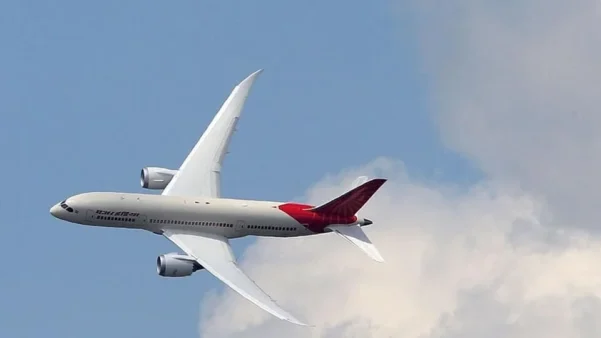
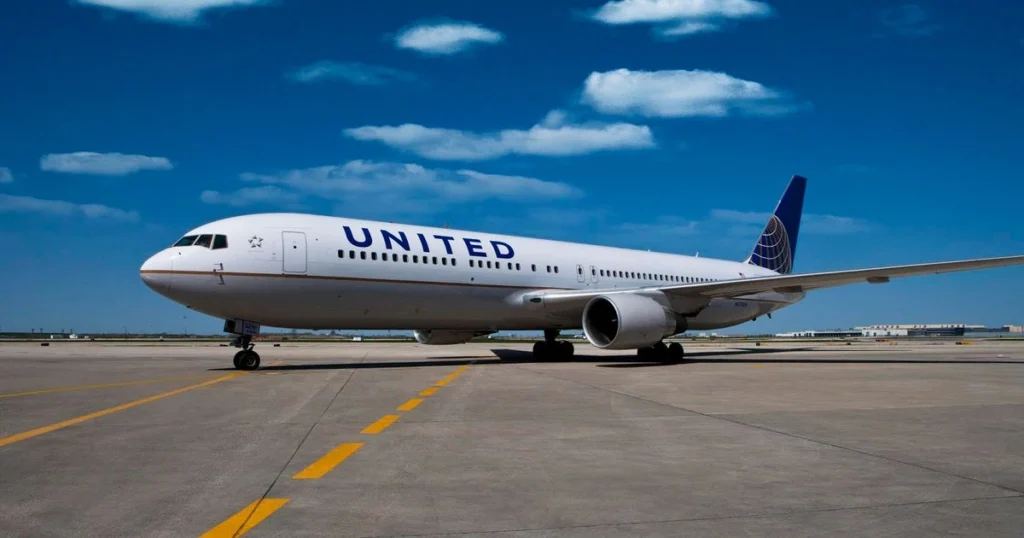
The second cancellation involved flight UAL3973, a Boeing 787-9 Dreamliner service scheduled to depart Singapore for San Francisco International Airport at 10:30 PM local time. The long-haul service was cancelled prior to departure, affecting passengers traveling between Southeast Asia and North America.
The Singapore–San Francisco route is one of the most strategically important transpacific air links connecting Asia with the United States. The service supports tourism, corporate travel, international education, cargo operations, and transit passenger movement across multiple continents.
Long-haul flight cancellations typically create wider operational consequences than regional disruptions because passengers often rely on extensive onward connections, hotel arrangements, cruise departures, or multi-country itineraries. Travelers affected by the San Francisco cancellation likely faced extended rescheduling timelines due to limited long-haul aircraft availability and high international passenger loads.
The disruption also comes as airlines continue to optimize wide-body fleet deployment across competitive transpacific routes linking Asia, Europe, and North America.
Changi Airport Operations Remain Under Pressure
Singapore Changi Airport handles thousands of international flight movements every week and serves as a critical aviation gateway for Asia-Pacific travel. Its operational network depends on precise coordination involving aircraft rotations, airport slots, maintenance schedules, and crew management across numerous international carriers.
While the number of cancellations remained limited, the simultaneous disruption of both a regional Airbus A320 route and a long-haul Boeing 787-9 operation reflects the complexity of airline scheduling in today’s aviation environment.
Operational changes affecting narrow-body and wide-body aircraft categories within the same timeframe can signal broader adjustments linked to fleet availability, technical scheduling requirements, or network balancing strategies.
Singapore Changi Airport continues to maintain strong global connectivity despite periodic operational disruptions, remaining one of the world’s leading international transit hubs for tourism and aviation activity.
Tourism and Hospitality Sectors Monitor Travel Impact
The Bali cancellation carries significance for Indonesia’s tourism economy, where Singapore remains an important source market for inbound arrivals. Hotels, villas, restaurants, tour operators, and transport providers in Bali rely heavily on consistent regional air connectivity to support visitor volume throughout the year.
Meanwhile, the San Francisco route disruption impacts broader international travel dynamics between Asia and North America. Long-haul travelers often contribute higher tourism spending levels due to extended stays, premium accommodation bookings, shopping activity, and international transit patterns.
Industry stakeholders across aviation, hospitality, and tourism sectors continue monitoring operational reliability as airlines adapt to evolving global travel demand patterns.
Airlines Continue Managing Operational Adjustments
Airlines worldwide continue facing operational complexities linked to fleet deployment, staffing logistics, maintenance scheduling, and fluctuating passenger demand across international markets. Even isolated cancellations can affect passenger confidence and create downstream scheduling challenges across interconnected airline networks.
Singapore Changi flight cancellations in May 2026 once again demonstrate how closely tied regional and intercontinental travel systems have become. A disruption involving only two flights can still affect tourism flows, airport operations, and passenger movement across multiple continents.
Despite the cancellations, Singapore Changi Airport remains a major global aviation hub with strong recovery momentum in international tourism, airline capacity growth, and long-haul connectivity expansion.
For more travel news like this, keep reading Global Travel Wire