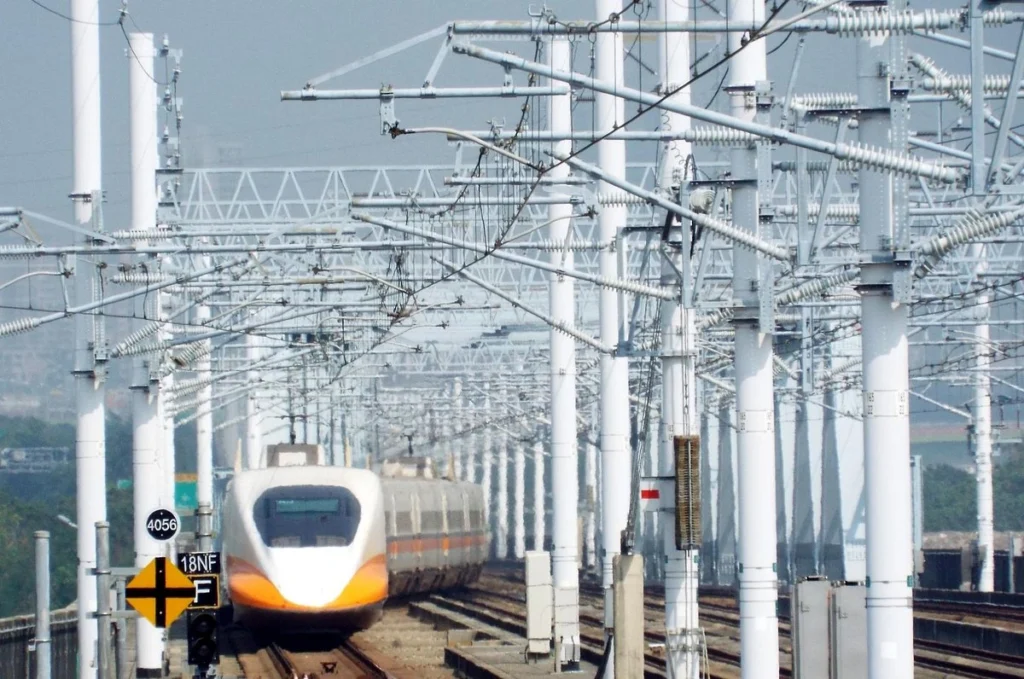
Taiwan High Speed Rail restored full operations on May 26 after a major signal failure near Miaoli disrupted one of the country’s most important transport corridors and affected travel between Taipei, Taichung, Tainan and Kaohsiung. The temporary breakdown created widespread inconvenience for tourists, business travellers, commuters and domestic visitors before overnight repair work successfully returned the network to normal service.
The disruption began on May 25 when a signal abnormality was detected near Miaoli, forcing Taiwan High Speed Rail to suspend its regular timetable and introduce emergency operational measures across the network. The incident quickly affected passenger movement along Taiwan’s busiest intercity rail corridor, a vital route connecting airports, hotels, convention centres, cultural attractions and major tourism districts across the island.
Taiwan High Speed Rail remains one of the country’s most important tourism and mobility assets, carrying millions of passengers annually between northern and southern Taiwan.
Emergency Timetable Introduced During Signal Failure
Following the technical issue near Miaoli, Taiwan High Speed Rail cancelled its standard train operations beginning at 8am on May 25 and launched a reduced emergency timetable to maintain partial connectivity. Under the temporary arrangement, three southbound trains departed hourly from Nangang while three northbound trains departed hourly from Zuoying, with all services stopping at every station.
Although the emergency schedule allowed passengers to continue travelling, journey times became longer and available seating options were significantly reduced. Non-reserved seating was implemented for most passengers except those travelling in business-class carriages.
For tourists unfamiliar with Taiwan’s rail network, the changes created additional confusion during a busy travel day. Station staff assisted travellers with boarding guidance, updated departure information and itinerary adjustments as thousands of passengers attempted to reorganise plans.
The disruption particularly affected visitors relying on high-speed rail connections for hotel check-ins, guided tours, airport transfers and intercity sightseeing itineraries.
Overnight Repairs Helped Restore Full Operations
Maintenance crews entered the affected track section after final train operations concluded on May 25, carrying out overnight repair work near Miaoli in an effort to minimise prolonged disruption. The repairs were completed during the early hours of May 26, allowing Taiwan High Speed Rail to confirm the restoration of full normal services later that morning.
Rail officials stated that the preliminary assessment pointed to a fault involving the power module of the switch machine control case, an important component linked to the railway signalling system. The affected equipment forms part of a broader signalling system upgrade project currently underway and scheduled for completion by the end of 2026.
The rapid overnight recovery prevented deeper disruption across Taiwan’s tourism economy and transportation infrastructure, particularly during a period of strong domestic and international travel activity.
Tourism and Hospitality Industry Felt Immediate Impact
Taiwan High Speed Rail plays a central role in the island’s tourism ecosystem by enabling fast movement between major destinations including Taipei, Taichung, Tainan and Kaohsiung. The rail line supports multi-city travel experiences that allow visitors to explore night markets, temples, museums, shopping districts, coastal attractions and cultural landmarks within a single trip.
When services are interrupted, the consequences extend far beyond railway stations. Hotels often experience delayed guest arrivals, tour operators must adjust transportation schedules, and restaurants, attractions and local businesses can see reduced visitor traffic.
The temporary disruption near Miaoli also affected business travellers using the network for conferences, exhibitions, meetings and same-day corporate travel. Taiwan’s high-speed rail system remains a critical backbone for both tourism and commercial mobility across the island.
Families, students and local commuters also faced delays and uncertainty throughout the reduced-service period as passenger volumes increased on limited train operations.
Passenger Assistance and Refund Support Provided
Taiwan High Speed Rail issued public apologies to affected passengers and implemented support measures at stations during the disruption. Assistance included drinking water, bread distribution and additional passenger guidance services to help travellers manage delays and changing schedules.
Refund arrangements were also made available depending on delay duration and ticket eligibility. Passengers were advised to retain digital tickets, booking confirmations and travel receipts to support refund requests or travel rearrangements.
For international tourists, the incident highlighted the importance of monitoring official transportation updates and maintaining flexible travel schedules when relying on high-capacity rail systems.
Safety Remains Priority During Rail Network Disruptions
Taiwan High Speed Rail confirmed that the malfunctioning equipment has been preserved for further technical investigation involving the original manufacturer and independent experts. The inquiry will examine whether the fault resulted from a component issue, installation problem, signalling upgrade complication or another technical factor.
Rail operators emphasised that safety procedures remain the highest operational priority during any signalling or infrastructure malfunction. While delays and cancellations create inconvenience, temporary operational restrictions are necessary to maintain safe train movement on high-speed networks.
The careful handling of the Miaoli incident and the rapid restoration effort are expected to help strengthen long-term passenger confidence in Taiwan’s rail infrastructure.
Taiwan Rail Network Returns to Normal Operations
The return of full Taiwan High Speed Rail services on May 26 marked a major recovery moment for the country’s transportation and tourism sectors. Although the signal failure near Miaoli temporarily disrupted travel plans across multiple cities, the swift overnight response prevented longer-term damage to passenger mobility and tourism activity.
The incident demonstrated how critical transport infrastructure remains to Taiwan’s tourism economy and daily life. It also reinforced the importance of operational resilience as Taiwan continues expanding domestic tourism, international visitor arrivals and intercity business connectivity.
With normal operations restored, travellers can once again move efficiently between Taipei, Taichung, Tainan and Kaohsiung, supporting tourism recovery and nationwide mobility across Taiwan.
For more travel news like this, keep reading Global Travel Wire