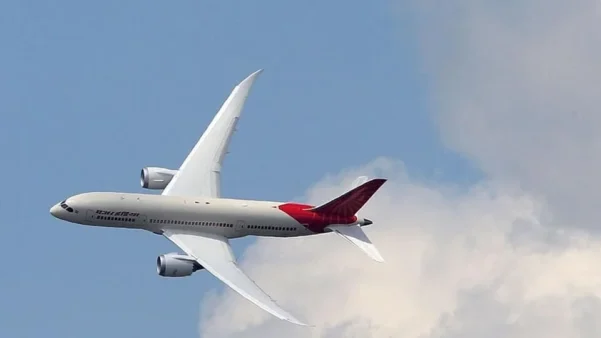
Travel chaos intensified across China this week after more than 110 flight cancellations disrupted operations at some of the country’s busiest airports, affecting passengers traveling through Shanghai, Beijing, Guangzhou, Shenzhen, and multiple domestic and international routes. Major airlines including China Eastern Airlines, China Southern Airlines, Air China, Shenzhen Airlines, and Delta Air Lines were impacted as operational disruptions spread through interconnected airline networks from Monday through Wednesday.
The large-scale cancellations affected both domestic and international passengers traveling between major commercial centers including Shanghai, Guangzhou, Beijing, Shenzhen, Chengdu, Hangzhou, Kunming, Xi’an, Chongqing, Wuhan, Zhengzhou, Dalian, and Los Angeles.
Aviation analysts say the disruption exposed the growing operational pressures facing China’s highly interconnected airline system, where delays and cancellations at major hubs can quickly ripple nationwide.
Shanghai Pudong Records the Highest Number of Cancelled Flights
Shanghai Pudong International Airport experienced the most severe operational impact during the disruption period, recording the highest concentration of cancelled departures among China’s major airports.
Flights from Shanghai Pudong to major destinations including Shenzhen, Chengdu, Guangzhou, Kunming, Harbin, Zhengzhou, Tianjin, Dalian, Beijing Daxing, and Wenzhou were among those affected.
China Eastern Airlines accounted for a large share of the cancelled services, particularly on heavily traveled routes connecting eastern China with southern and western cities. China Southern Airlines also suspended multiple Shenzhen-bound operations over consecutive days.
The disruption extended internationally after Delta Air Lines cancelled its Shanghai-to-Los Angeles service, impacting transpacific passengers and long-haul travel schedules.
Business travelers and tourists passing through Shanghai faced longer wait times, rebooking complications, and increased congestion as airlines adjusted schedules and aircraft rotations.
Guangzhou Airport Faces Operational Pressure on Key Domestic Corridors
Guangzhou Baiyun International Airport also reported widespread service interruptions involving several important business and regional routes.
Cancelled departures from Guangzhou included flights to Beijing Daxing, Shanghai Pudong, Shanghai Hongqiao, Hangzhou, Nanjing, Wuxi, Zhengzhou, Taiyuan, Hefei, and Lijiang.
China Southern Airlines and China Eastern Airlines reduced operations across multiple high-frequency sectors as pressure intensified on airport scheduling and fleet management systems.
Routes connecting Guangzhou with Hangzhou and Shanghai appeared repeatedly in cancellation records throughout the disruption period, affecting one of China’s busiest domestic aviation corridors.
The repeated cancellations suggested broader operational adjustments linked to aircraft availability, scheduling pressure, airport congestion, or wider network management challenges.
Beijing Airports Experience Significant Service Disruptions
Both Beijing Capital International Airport and Beijing Daxing International Airport experienced extensive flight cancellations during the three-day disruption window.
At Beijing Capital International Airport, airlines suspended services to Shanghai Hongqiao, Shenzhen, Hangzhou, Wuhan, Sanya, Haikou, Nantong, Changzhou, and Penglai.
Meanwhile, Beijing Daxing recorded cancellations involving routes to Guangzhou, Shanghai Pudong, Chengdu Tianfu, Chongqing, Xi’an, Wuhan, Changsha, Quzhou, and Zhaotong.
Air China, China Eastern Airlines, and Shenzhen Airlines were among the operators most frequently affected by the disruptions.
Several Xi’an-bound flights from Beijing Daxing were also cancelled over multiple days, increasing pressure on passengers relying on connections through northern China.
Shenzhen Bao’an Airport Continues Facing Network Instability
Shenzhen Bao’an International Airport also encountered significant operational instability as cancellations disrupted travel between southern China and several major commercial destinations.
Flights from Shenzhen to Shanghai Pudong, Hangzhou, Kunming, Chongqing, Zhengzhou, Beijing Capital, Taiyuan, Nantong, and Nanjing were among the affected routes.
China Southern Airlines suspended multiple Shanghai-bound departures across consecutive days, creating disruption on one of China’s highest-demand business travel routes.
Travelers moving through Shenzhen experienced growing uncertainty as delays and scheduling adjustments continued impacting connecting services.
More Than 110 Flights Cancelled Across China’s Aviation Network
The latest operational disruption involved 113 cancelled departures across five major Chinese airports.
Shanghai Pudong International Airport recorded the largest share with 42 cancelled departures, followed by Shenzhen Bao’an International Airport with 22 and Guangzhou Baiyun International Airport with 20.
Beijing Capital International Airport reported 15 cancellations while Beijing Daxing recorded 14 affected departures.
The disruptions involved a wide range of aircraft including Boeing 737s, Boeing 787 Dreamliners, Airbus A320s, Airbus A321s, Airbus A330s, and Airbus A350s. The inclusion of long-haul widebody aircraft demonstrated that the operational instability extended beyond short-haul domestic services.
Travelers Face Delays, Rebookings and Connection Problems
The latest China flight cancellations highlighted the vulnerability of modern airline networks operating at extremely high capacity across interconnected hub systems.
Passengers faced missed onward connections, reduced seat availability, long airport queues, and difficulties securing alternative flights during peak travel periods.
The disruption also placed additional strain on airline customer service operations as carriers worked to rebook travelers and stabilize schedules.
Major airports including Shanghai Pudong, Guangzhou Baiyun, Shenzhen Bao’an, Beijing Capital, and Beijing Daxing function as essential transfer gateways for millions of passengers annually, meaning operational problems at one location can rapidly affect multiple regions nationwide.
Airlines and Passengers Prepare for Possible Ongoing Volatility
Travelers flying within China or connecting through major Chinese airports are being advised to monitor schedules closely as airlines continue adjusting operations.
Industry observers note that large-scale disruptions can take several days to fully stabilize, particularly when multiple hubs are affected simultaneously.
Passengers are being encouraged to check flight status regularly, arrive at airports earlier than usual, monitor airline notifications, and maintain flexible travel arrangements where possible.
As China’s aviation sector continues handling rising passenger demand and tightly scheduled operations, the latest disruption demonstrates how quickly operational pressure can trigger widespread travel chaos across one of the world’s busiest airline markets.
For more travel news like this, keep reading Global Travel Wire