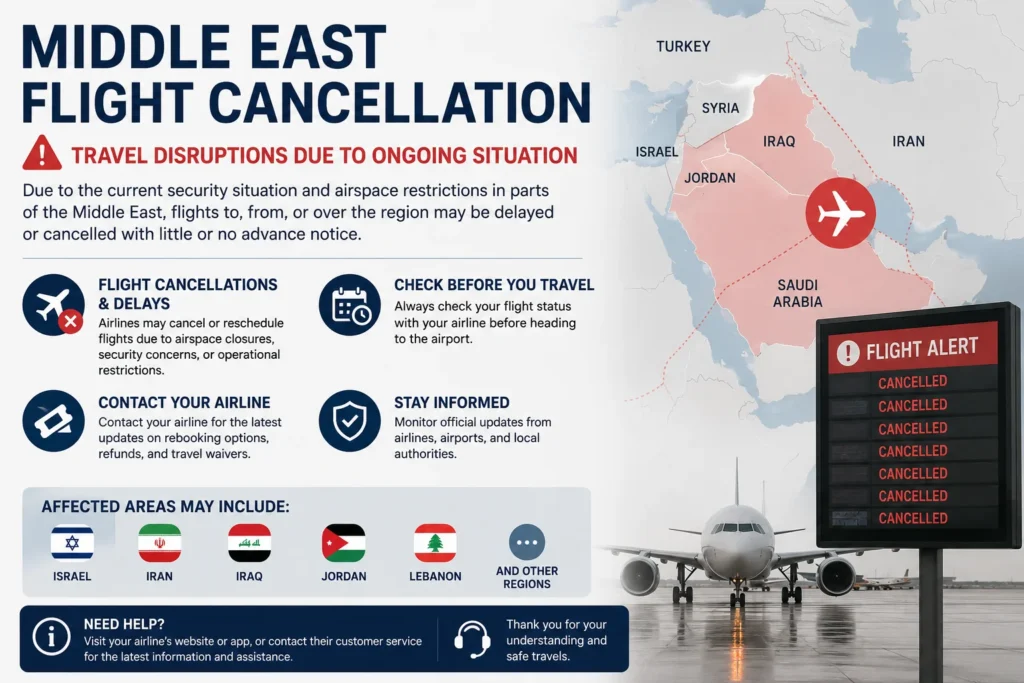
The General Civil Aviation Authority of the United Arab Emirates has officially confirmed that national airspace remains entirely open and operational for all commercial, cargo, and private aviation corridors. Following recent localized security developments across the broader Arabian Gulf region, the federal civil aviation authority released an institutional statement clarifying that no temporary closures or blanket flight bans have been reintroduced. All primary international gateways—including Dubai International Airport, Zayed International Airport in Abu Dhabi, and Sharjah International Airport—continue to process standard arrival and departure schedules.
While federal departments maintain normal airspace navigation rights within the sovereign boundaries of the country, local transport infrastructure works under heightened regulatory awareness. The civil aviation authority, in coordination with defense and maritime security bodies, continues to run real-time environmental monitoring to guarantee the safety of international transit. Minor operational adjustments, such as brief holding patterns or precautionary route modifications, remain potential risk vectors for long-haul carriers operating close to the maritime borders of the Gulf.
Assessing Airline Operations and Continental Regulatory Divergences
The operational picture at major hubs highlights a distinct division between local flag carriers and European-regulated entities. Sovereign transport data indicates that local airlines have successfully restored their primary global flight pathways, maintaining high-frequency schedules across North America, Asia, and Africa. However, separate international regulatory restrictions continue to limit the full return of several foreign airlines to the market.
The European Union Aviation Safety Agency maintains its current Conflict Zone Information Bulletin, which instructs European-regulated airlines to completely avoid specific adjacent airspaces while exercising extreme operational caution across the wider Gulf. Because international war-risk insurance groups align their policies directly with continental safety mandates rather than local civil aviation declarations, a significant portion of western long-haul carriers have extended their seasonal service suspensions to the region well into the third and fourth quarters of the year.
A clear breakdown of current global carrier schedules demonstrates the structural variability facing incoming passengers:
Emirates and Etihad Airways: Fully operational, maintaining active transcontinental networks while employing rerouted paths over secure southern flight corridors.
Flydubai and Air Arabia: Operating regular regional and international loops, though select flight paths require slightly longer flight times to completely bypass regional tracking zones.
Lufthansa Group and Air Canada: Suspensions remain active, with planned network returns targeted for the end of the third quarter, subject to ongoing regulatory assessments.
Qatar Airways: Maintaining regular daily connections between regional hubs under standard short-notice monitoring guidelines.
Elevated Diplomatic Travel Advisories and Consular Recommendations
Foreign ministries and sovereign state departments have updated their official consular safety boards to reflect the fluid nature of the regional security landscape. These institutional classifications serve as risk-management frameworks for international corporations, tour operators, and leisure travelers coordinating upcoming transit through the region.
The United States Department of State currently maintains its regional assessment at Level 3, advising citizens to carefully reconsider travel plans due to broader regional friction points. Similarly, the United Kingdom Foreign, Commonwealth & Development Office has issued updated safety guidelines warning of potential short-notice transportation adjustments, reminding travelers that operating against official advice can invalidate standard commercial travel insurance policies. Furthermore, the Australian Department of Foreign Affairs and Trade and the Government of Canada both advocate for a high degree of caution, highlighting the necessity of maintaining personal flexibility during international transits.
Contingency Planning and Protection Protocols for Transit Passengers
To minimize field vulnerability and ensure seamless connections through major regional distribution hubs, international aviation bodies have established clear pre-departure checklists for all ticketed passengers.
Verification of Flight Configurations
Passengers must not depart for their local origin terminals without verifying their active reservation status through official airline interfaces. Because automated scheduling boards can adjust route parameters in real time based on air traffic control flow management, maintaining direct communication with the operating carrier is mandatory.
Adherence to Flexible Booking Policies
In response to the current geopolitical landscape, local flag carriers have implemented flexible booking frameworks. Travelers holding disrupted tickets are entitled to complimentary reservation changes within the limits of ticket validity or full transactional refunds directly through official online portals, bypassing secondary ticketing agencies to accelerate processing times.
International Identity Security
Due to enhanced security screenings instituted at international airport check-in desks, tourists must maintain secure digital duplications of all state-issued passports, entry visas, and medical documentation. Storing these credentials on encrypted cloud platforms ensures that regional consular teams can rapidly facilitate administrative assistance if primary physical travel documents are misplaced during transit.
By replacing standard holiday planning with a structured, data-driven awareness of current civil aviation conditions, international visitors can successfully navigate the changing regulatory realities of the modern global transport network.
For more travel news like this, keep reading Global Travel Wire