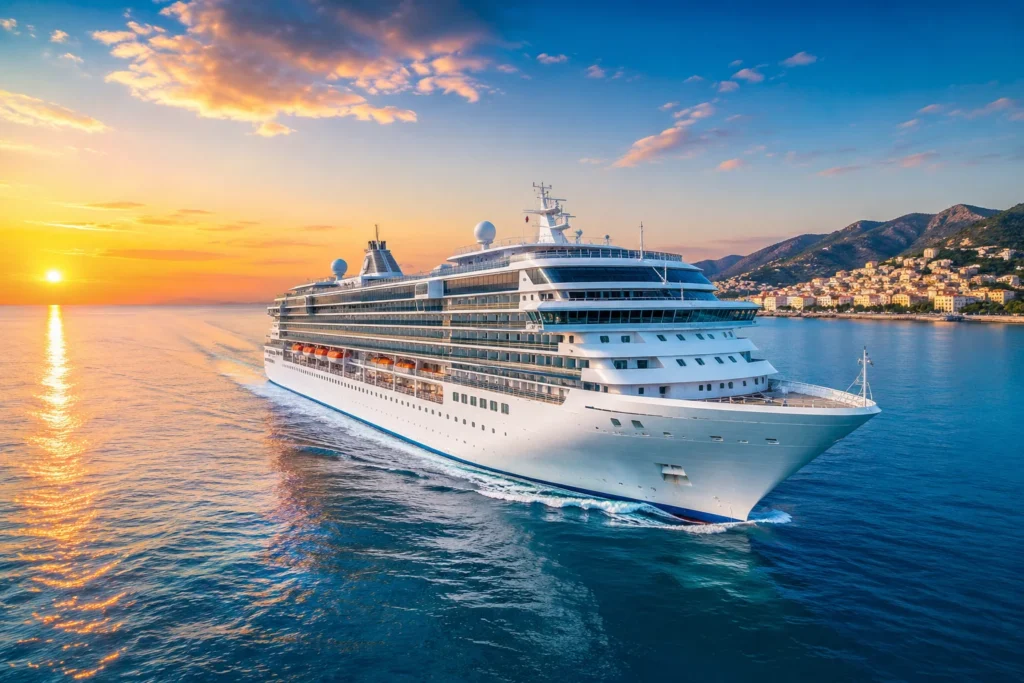
The international travel landscape is witnessing a profound transformation as the ocean cruise sector shifts from a multi-year rebuilding phase into a period of robust, structural growth. At the heart of this maritime renaissance is a compelling narrative of capacity optimization, shifting consumer preferences, and strategic itinerary management. Leading operators like Norwegian Cruise Line are serving as prime examples of how the global cruise recovery is playing out on the high seas, balancing high fixed operating costs with an unprecedented surge in international passenger demand.
For the modern traveler and industry observers alike, the current cruise ecosystem represents a highly sophisticated blend of hospitality, logistics, and experience design. As vacationers increasingly prioritize experiential travel over material goods, cruise lines are successfully positioning their fleets as floating premium resorts that offer a seamless, multi-destination vacation product.
The Resurgence of Cruise Travel Demand and Yield Optimization
A primary driver of the ongoing travel industry surge is the steady rise in load factors—the percentage of available berths filled by passengers—alongside resilient ticket pricing. Official tourism indicators highlight that travelers are booking their voyages much further in advance compared to previous decades. This extended booking window gives cruise operators exceptional forward visibility into occupancy trends, allowing them to adjust pricing strategies dynamically.
Rather than relying on deep discounting to fill cabins, major brands are maintaining price discipline. Premium pricing is heavily utilized during peak summer and holiday seasons, particularly for high-yield routes in Alaska, Europe, and the Caribbean. This disciplined approach directly influences net yields, ensuring that every sailing maximizes its revenue potential.
Simultaneously, onboard spending has emerged as a cornerstone of cruise profitability. Once guests step aboard, their vacation experience is heavily shaped by discretionary options. From upscale specialty dining venues and premium beverage packages to immersive shore excursions, spa treatments, and high-speed Wi-Fi connectivity, these secondary revenue streams carry attractive profit margins. They allow operators to offset heavy fixed costs, such as fuel, port fees, and crew wages, without compromising the core value of the base ticket.
Strategic Itineraries and Differentiated Brand Positioning
To capture a larger share of the global leisure travel market, operators are continually refining their itinerary strategies. Deploying ships effectively requires an intimate understanding of seasonal weather patterns, port availability, and regional geopolitical stability.
Modern itinerary design relies heavily on offering exclusive destinations that alternative vacation formats simply cannot replicate. Private islands in the Caribbean have become major competitive assets, providing controlled, premium beach experiences tailored exclusively for a brand’s guests. Furthermore, by mixing short, accessible getaways with extensive, multi-week international voyages, operators can successfully appeal to diverse demographics—ranging from multi-generational family groups to solo adventurers and remote workers.
The onboard experience is similarly engineered for flexibility. Brands have shifted away from traditional, rigid cruise schedules in favor of open, customizable vacations. Passengers can design their own daily routines, choosing from broadway-style theatrical performances, live music, interactive recreation facilities, and diverse culinary styles. This focus on guest autonomy directly drives customer satisfaction scores, which in turn fosters high repeat-booking rates and lucrative customer loyalty metrics.
Fleet Development and Sustainability in the New Maritime Era
A cruise line’s long-term viability is fundamentally tied to the evolution of its fleet. Introducing brand-new vessels allows companies to deploy highly efficient marine technologies and modern architectural layouts. Newer ships feature a higher proportion of balcony cabins and luxury suites, which naturally command premium prices and elevate the average revenue per passenger day.
However, fleet expansion demands massive capital investments. To keep older vessels competitive alongside shiny new flagships, comprehensive dry-dock refurbishment programs are standard practice. Upgrading public spaces, refreshing stateroom amenities, and integrating modern retail venues allow older ships to maintain high occupancy and robust pricing power.
Concurrently, the global cruise recovery is operating within a strictly evolving regulatory framework. Maritime authorities and regional governments are enforcing stricter environmental standards concerning waste management, shore-power capabilities, and carbon emissions. In response, forward-thinking operators are investing heavily in fuel-efficient engine designs, advanced wastewater purification systems, and alternative fuel research. Navigating these sustainability expectations is crucial for preserving long-term access to pristine, ecologically sensitive cruise ports around the world.
Digital Integration and the Financial Horizon
Behind the scenes, the digital transformation of the cruise experience is fully underway. From mobile applications that allow frictionless pre-boarding check-ins and onboard activity reservations to automated energy management systems below deck, technology is streamlining operations. These systems provide companies with rich data insights into passenger behavior, which helps optimize future menu designs, retail inventory, and entertainment schedules.
From an economic perspective, the cruise industry remains a capital-intensive sector that carries notable leverage. Major cruise lines are actively focused on capital allocation prudence—using the strong cash flows generated by the post-pandemic travel boom to manage debt obligations, refinance older loans at favorable rates, and improve overall balance sheet resilience.
Ultimately, the global cruise recovery is proving that ocean-going vacations remain one of the most resilient segments of the hospitality sector. By combining operational efficiency, technological innovation, and an unwavering focus on the guest experience, cruise operators are successfully charting a course toward sustainable, long-term growth.
For more travel news like this, keep reading Global Travel Wire