The global tourism industry is experiencing a surge in location-based travel as production houses reveal final promotional materials for major cinematic releases. Warner Bros. Pictures has officially released the final trailer for Digger, an absurdist dark comedy directed by Academy Award-winning filmmaker Alejandro González Iñárritu. Starring Tom Cruise as eccentric oil tycoon Digger Rockwell, the production has drawn international attention to its primary filming hubs, triggering elevated interest in travel itineraries centered on movie locations.
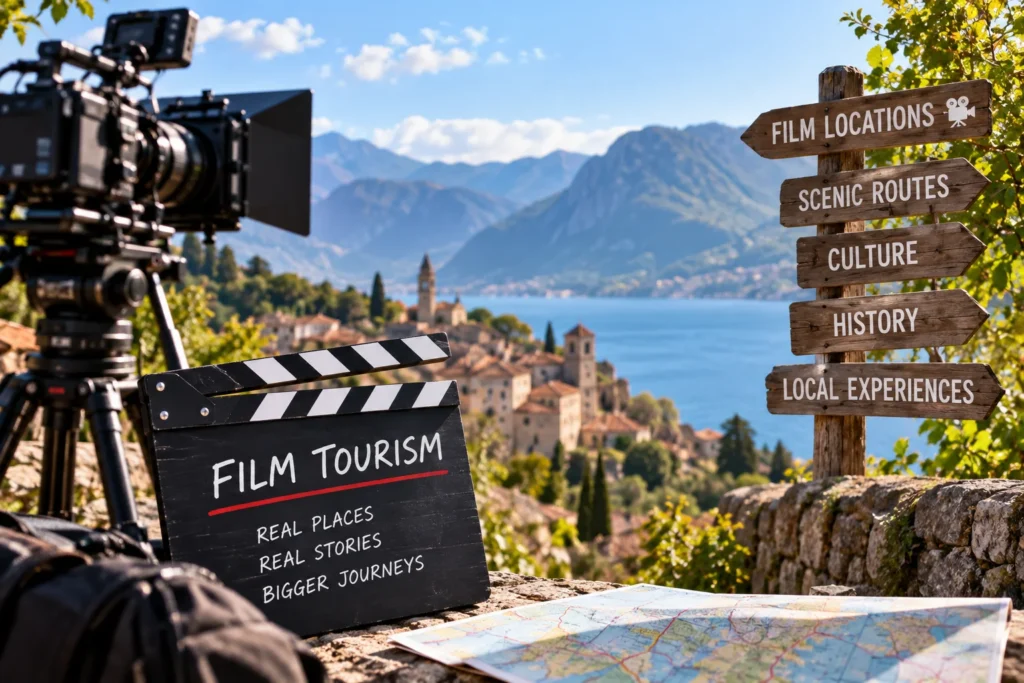
Cinematic set tourism—the practice of visiting cities, regions, and historic landmarks featured in major feature films—continues to serve as a high-value growth driver for national tourism boards. When global studio productions select specific international settings for principal photography, local hospitality markets gain immediate exposure across worldwide audiences, driving long-term visitor traffic and boosting regional destination visibility.
The worldwide theatrical debut of Digger, scheduled for October 2, 2026, highlights how high-profile film projects stimulate local economies, generate employment during production cycles, and create lasting promotional opportunities for destination marketing organizations.
High-Concept Storytelling Drives Interest in Filming Destinations
In Digger, Tom Cruise undergoes a dramatic physical transformation to play Digger Rockwell, the world’s most powerful oil magnate whose industrial activities trigger a global ecological crisis. Sporting a grey combover, prosthetic makeup, and a Southern accent, Rockwell embarks on a chaotic publicity campaign to convince humanity that he alone possesses the leadership required to reverse the disaster. The black comedy narrative explores themes of power, corporate responsibility, and accountability against an apocalyptic backdrop.
The film features an ensemble cast, including John Goodman, Riz Ahmed, Sandra Hüller, Michael Stuhlbarg, Jesse Plemons, Sophie Wilde, Emma D’Arcy, Burn Gorman, and Robert John Burke.
The visual scale of the production was achieved through extensive on-location filming and specialized soundstage work across major studio facilities in the United Kingdom. Filmed entirely in VistaVision by Oscar-winning cinematographer Emmanuel Lubezki, the feature highlights architectural landmarks, urban landscapes, and rural backdrops, offering audiences a vivid visual experience that encourages real-world exploration.
Government Film Commissions Foster Economic Development
National film offices and regional tourism authorities play an active role in attracting major studio productions through structured tax credits, financial rebates, and streamlined location permits. Official announcements from international culture and transport ministries emphasize that film investments deliver multi-tiered economic benefits to host destinations.
During active production periods, film projects generate direct revenue for local businesses, including boutique hotels, transport providers, catering operations, and technical crews. Following a project’s global release, tourism boards leverage the film’s international reach to establish dedicated location maps, self-guided walking tours, and cultural itineraries designed for international visitors.
By formalizing screen-tourism itineraries, municipal councils channel traveler flow into historic districts and local commercial hubs, ensuring that economic benefits extend directly to regional hospitality operators, independent retailers, and cultural heritage sites.
Environmental Themes Align with Sustainable Travel Commitments
The narrative focus of Digger—which centers on ecological balances and environmental stewardship—mirrors an evolving priority across the global travel sector. Tourism ministries worldwide are increasingly implementing sustainable destination management policies to protect fragile ecosystems and historic landmarks amid growing visitor numbers.
As cinematic set tourism encourages fans to explore unique natural landscapes and historic filming sites, national park authorities and heritage organizations are establishing eco-friendly visitor protocols. These guidelines aim to protect local biodiversity, preserve historic structures, and promote responsible travel habits among international travelers.
Combining cinematic destination marketing with robust conservation policies enables regional tourism authorities to foster economic development while safeguarding environmental resources for future generations.
Strategic Outlook for Location-Based Screen Tourism
As the October 2, 2026 release date approaches, destination marketing organizations are aligning digital promotional campaigns with the film’s global roll-out. Tourism agencies in host regions are preparing interactive visitor guides, specialized heritage travel packages, and cultural event calendars designed to welcome movie enthusiasts.
The continued growth of location-based travel demonstrates that cinematic storytelling remains a compelling catalyst for international exploration. Through sustained collaboration between government film commissions, municipal councils, and regional travel boards, the global film tourism industry continues to connect international travelers with iconic destinations worldwide.
For more travel news like this, keep reading Global Travel Wire