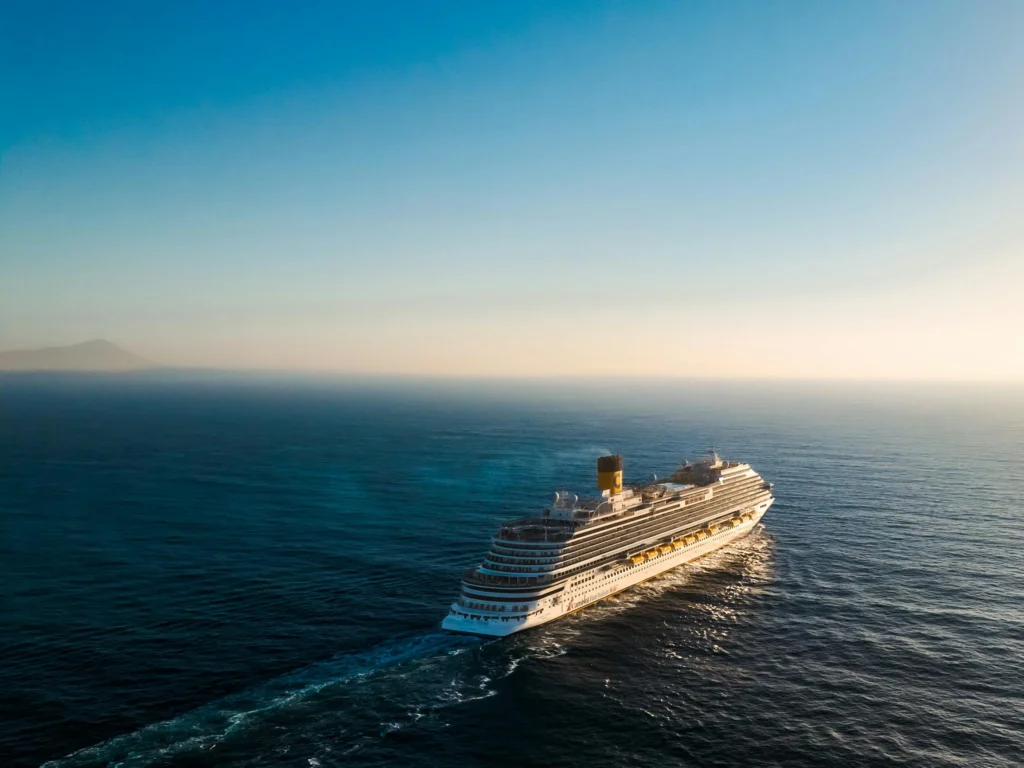
A major evacuation operation began on Sunday for the passengers of the MV Hondius, a Dutch cruise ship, after a deadly hantavirus outbreak. Three passengers—a Dutch couple and a German woman—succumbed to the rare disease, while several others fell ill. The virus, typically spread by rodents, has triggered global concern, though health officials emphasize that the overall public health risk remains low.
Passengers from the nearly 150-strong complement of the vessel started their repatriation from the Canary Islands on Sunday. The ship, which departed Ushuaia, Argentina, in early April, had been cruising across the Atlantic to Cape Verde before arriving in Tenerife. Passengers, some wearing protective medical suits, were transferred onto smaller boats that took them to the port of Granadilla on Tenerife. The Canary Islands are a key tourist destination, and this outbreak has sent shockwaves through the region’s travel community.
The Spanish Ministry of Health confirmed that the final flight to evacuate most of the passengers would head to Australia on Monday, after which the ship will continue its journey to the Netherlands. Spanish Health Minister Monica Garcia noted that the evacuees were transported by a Spanish military bus, accompanied by Civil Guard vehicles, to Tenerife South Airport. After a medical assessment, the first repatriation flight carried 14 Spanish citizens who were placed under quarantine at a military hospital in Madrid.
While hantavirus is most often associated with Argentina, where the virus is endemic, health authorities have emphasized that the risk of a large-scale outbreak remains low. No specific treatments or vaccines currently exist for hantavirus, which is typically transmitted by rodent droppings or saliva. The World Health Organization (WHO) confirmed six cases out of eight suspected ones on Friday, identifying the Andes virus as the human-transmissible strain. Health officials noted that no further suspected cases remained on the ship, and all passengers were asymptomatic before disembarkation.
The ship had initially made a stop in Cape Verde earlier in the week, where three infected passengers were evacuated to Europe. The WHO suggested that the initial infection likely occurred before the voyage, with the virus then spreading between passengers onboard. Argentine health officials have questioned whether the Dutch man linked to the outbreak contracted it in Ushuaia, given the disease’s long incubation period.
In the Canary Islands, regional authorities emphasized that the operation must conclude by Monday, as worsening weather conditions would force the ship to depart. The regional government, cautious about potential local exposure, had refused to allow the ship to dock, instead authorizing it only to anchor offshore. Authorities took precautions, ensuring no contact occurred between evacuees and the local population.
Prime Minister Pedro Sanchez assured the public that Spain is handling the situation with scientific rigor and international cooperation.