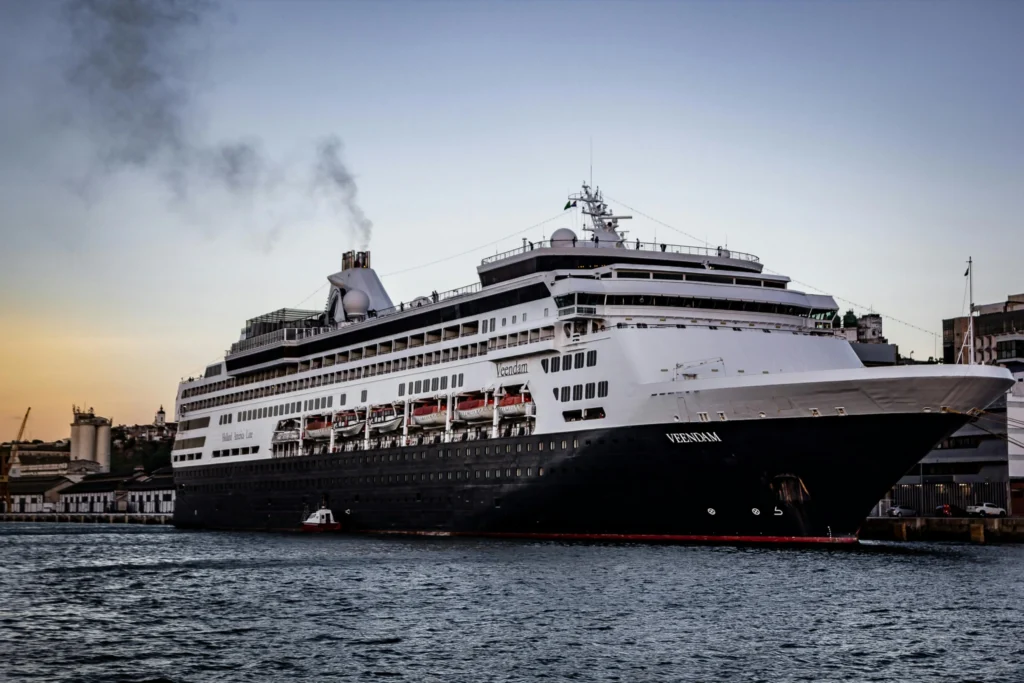
The World Health Organization (WHO) has raised a global alert after a Hantavirus outbreak on the Dutch cruise ship MV Hondius, which set sail from Argentina. The outbreak, linked to rodent-borne Hantavirus, has resulted in three fatalities and eight total infections aboard the vessel. As the international health community scrambles to respond, WHO officials clarified that this is not a COVID-19-style pandemic, and the risk, while serious, remains contained.
Confirmed Cases and Tragic Deaths Aboard MV Hondius
According to WHO reports, eight cases of Hantavirus infection have been documented so far. Of these, five passengers tested positive for Hantavirus, while three others remain suspected cases still under testing. Tragically, three people have died due to the infection. The first death occurred on April 11 after the passenger, who fell ill on April 6, was misdiagnosed initially as a common respiratory infection. Later, it was confirmed as Hantavirus. Another passenger succumbed to the virus after being evacuated to Johannesburg, and a confirmed case has also emerged in Switzerland.
Global Alert Issued to 12 Nations
In response to the outbreak, WHO informed 12 countries whose residents were on board as the ship made its journey to St. Helena. These nations include the United Kingdom, United States, Canada, Germany, Netherlands, Switzerland, Singapore, and Turkey. WHO experts, alongside European Center for Disease Prevention and Control (ECDC) physicians, have boarded the MV Hondius in Cabo Verde. The medical team will remain on board until the vessel reaches the Canary Islands, where they will conduct comprehensive health checks and ensure safe disembarkation.
Understanding Hantavirus Transmission
Unlike respiratory viruses such as COVID-19, Hantavirus is a zoonotic disease, meaning it spreads from animals to humans. The virus is primarily carried by rodents—such as rats and mice—who shed it through saliva, urine, and feces. Humans become infected when they come into contact with contaminated surfaces or inhale aerosols from rodent droppings. WHO physician Dr. Maria Van Kerkhove stressed that Hantavirus does not spread like SARS-CoV-2. Instead, infections result from close, prolonged contact with infected rodents, making widespread human-to-human transmission extremely rare.
India’s Risk Assessment: What Travelers Should Know
As the WHO alerts nations about the outbreak, India’s health experts reassure the public that the risk of a widespread Hantavirus outbreak in India is low. As of May 7, 2026, there have been no reported Hantavirus cases connected to the cruise in India. Specialists point out that Hantavirus outbreaks tend to be highly localized, unlike COVID-19, which spread rapidly through respiratory droplets. Medical experts also note that human-to-human transmission of the Andes virus is exceptionally rare, and all detected cases so far have been linked directly to the cruise travel group.
For more travel news like this, keep reading Global Travel Wire