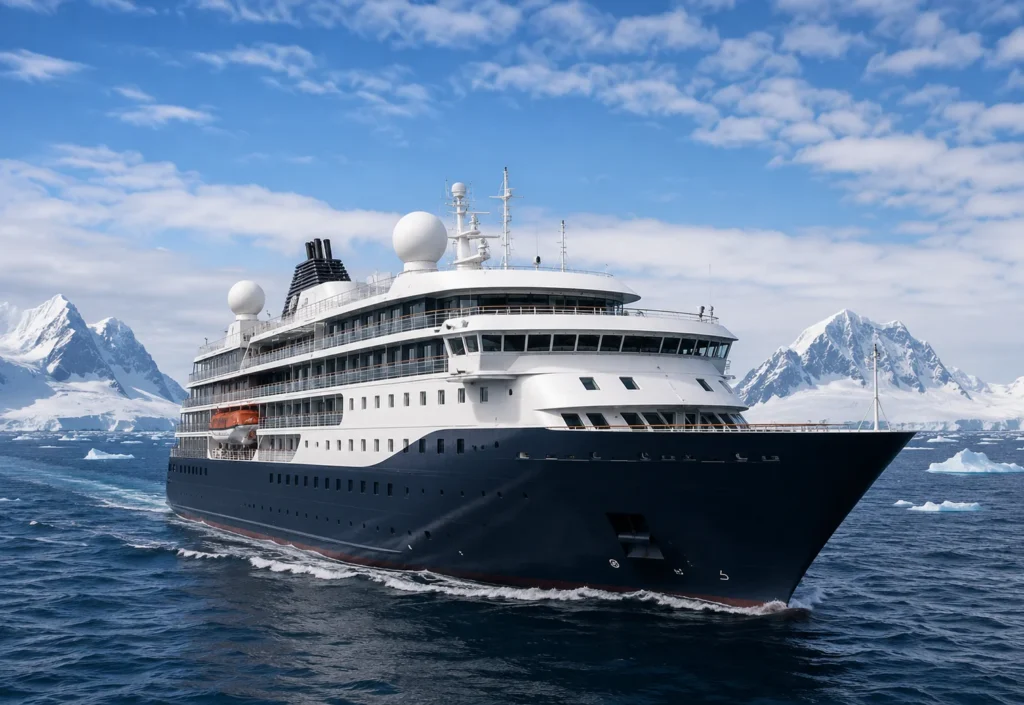
A growing hantavirus outbreak linked to the expedition cruise ship MV Hondius has triggered an international health response, with authorities across multiple continents monitoring passengers who left the vessel before the virus was officially confirmed. The outbreak has already resulted in three deaths and several confirmed infections, prompting coordinated action by the World Health Organization (WHO), national health ministries, and local authorities.
The Dutch-operated cruise ship, carrying more than 140 passengers and crew members, is currently sailing toward Spain’s Canary Islands after weeks of uncertainty following a deadly cluster of infections onboard. WHO officials continue to stress that the overall public health risk remains low, but extensive contact tracing and medical monitoring efforts are underway to contain any further spread.
The situation began escalating after the first passenger died aboard the ship on April 11 during the vessel’s expedition route through the South Atlantic. The ship had departed Argentina earlier in April for a polar tourism voyage that included Antarctica and remote island destinations. At the time of the first fatality, the illness was initially believed to be a respiratory infection. However, subsequent testing later confirmed hantavirus linked to the Andes virus strain.
Health authorities now confirm that at least five passengers tested positive for the Andes virus, while additional suspected cases remain under observation. Three passengers have died, including a Dutch couple and a German national. Several others continue receiving medical treatment in specialized hospitals.
The outbreak became more complicated after dozens of passengers disembarked at the remote British territory of St. Helena on April 24, before hantavirus was officially identified onboard. According to statements issued by Dutch authorities and the cruise operator, approximately 30 to 40 passengers left the ship during the stopover without undergoing contact tracing procedures because the virus had not yet been confirmed.
WHO officials confirmed that the first laboratory-confirmed hantavirus case linked to the ship was identified on May 2 after a British passenger evacuated to South Africa tested positive. The passenger remains in intensive care.
Following confirmation of the virus, international health agencies rapidly expanded monitoring operations. Authorities in Singapore confirmed that two passengers who traveled home from the ship via South Africa were placed under isolation and medical observation after arriving in the country. Officials in St. Helena are also monitoring several high-risk contacts who may have interacted with infected passengers during the stopover. These individuals have been advised to isolate for up to 45 days due to the virus’s incubation period.
South African health authorities are conducting extensive contact tracing connected to a flight from St. Helena to Johannesburg on April 25. The Dutch woman who later died in South Africa had boarded that flight before becoming critically ill. Officials are now attempting to determine how many other cruise passengers were on board the aircraft and whether additional exposure may have occurred.
A Dutch airline crew member who briefly interacted with one infected passenger during boarding procedures has also developed symptoms and is undergoing testing in Amsterdam. If confirmed positive, it could become the first known case outside direct ship passengers and crew linked to the outbreak.
French health authorities separately confirmed that a French citizen identified as a contact of an infected traveler is currently in isolation while undergoing medical evaluation.
Despite the expanding international monitoring efforts, WHO officials continue emphasizing that the outbreak differs significantly from airborne viral pandemics such as COVID-19. According to WHO statements, hantavirus is primarily transmitted through exposure to infected rodent saliva, urine, or droppings rather than through casual human interaction.
The Andes virus strain involved in this outbreak is considered unique because limited human-to-human transmission may occur after prolonged close contact. However, health experts maintain that widespread transmission remains highly unlikely.
WHO Director-General Dr. Tedros Adhanom Ghebreyesus stated that the organization remains in regular communication with the ship’s captain and health authorities across affected countries. He noted that morale aboard the vessel has improved as operations stabilize and medical support continues.
WHO’s emergency response includes deploying health specialists onboard the ship and distributing 2,500 diagnostic kits from Argentina to laboratories in several countries to strengthen testing capacity. International cooperation under the International Health Regulations framework remains central to the ongoing response.
Investigations into the source of the outbreak are now heavily focused on southern Argentina. WHO and Argentine health officials believe the first infected passengers may have contracted the virus during a bird-watching trip through Argentina, Chile, and Uruguay before boarding the ship. The travelers reportedly visited areas known to contain rodent species capable of carrying the Andes virus.
Argentina’s Health Ministry has launched a scientific investigation centered around Ushuaia, one of the world’s southernmost tourism gateways and a major departure point for Antarctic cruises. Health experts and scientists from Argentina’s Malbrán Institute are preparing to conduct field studies in the region, including testing rodent populations near waste disposal sites for evidence of the virus.
Official health statistics from Argentina show that hantavirus remains a rare but serious public health concern in parts of South America. The country recorded 28 hantavirus-related deaths last year, significantly above previous annual averages.
Meanwhile, the cruise tourism sector is closely watching the situation as global expedition travel continues growing in popularity. Antarctica and South Atlantic cruises have seen rising demand in recent years, attracting travelers seeking remote adventure tourism experiences.
The MV Hondius outbreak highlights the challenges facing global tourism and health authorities as international travel expands into increasingly remote destinations. While officials insist the risk to the wider public remains low, the incident demonstrates how quickly localized health events can become multinational operations requiring rapid coordination between governments, health agencies, and transportation providers.
As the ship approaches the Canary Islands, authorities continue preparing detailed medical screening and passenger disembarkation plans aimed at ensuring both public safety and passenger welfare while preventing any additional spread of the virus.