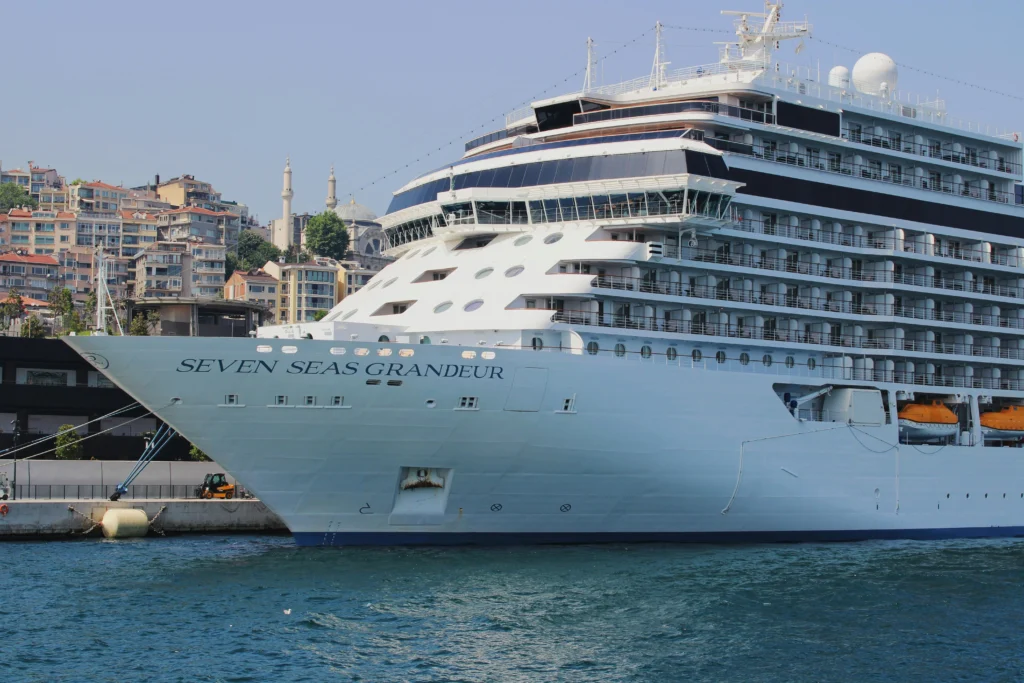
A growing number of hantavirus cases linked to an international cruise voyage across the Atlantic has placed global health authorities on high alert, raising concerns among travelers, cruise operators, and tourism officials worldwide. The outbreak aboard the expedition vessel MV Hondius has now expanded to multiple countries, with confirmed and suspected infections reported among passengers returning home after disembarking in the Canary Islands.
According to official information released by the European Centre for Disease Prevention and Control (ECDC), a total of eight hantavirus-related cases connected to the cruise ship had been identified as of May 10. This includes six confirmed infections and two suspected cases. Health authorities believe the numbers could continue to rise as passengers complete medical testing in their home countries following repatriation.
The MV Hondius had passengers and crew members representing 23 countries, including several European nations, during its transatlantic voyage. After concerns emerged regarding a possible outbreak onboard, the vessel arrived at Granadilla Port in Tenerife in Spain’s Canary Islands, where passengers began disembarking and boarding flights arranged for their return home.
French health authorities have confirmed one of the most serious cases so far. French Health Minister Stéphanie List announced that a French female passenger tested positive for hantavirus after showing symptoms while on a repatriation flight back to France. The passenger was among five French nationals evacuated from the cruise vessel. Officials stated that her condition deteriorated rapidly overnight, leading to her hospitalization at a specialist infectious disease facility.
The French government warned that severe hantavirus infections can quickly become life-threatening, particularly when respiratory complications develop. Medical experts are closely monitoring the patient as health teams continue contact tracing procedures and precautionary surveillance.
In the United States, health authorities confirmed that an American passenger also tested positive for hantavirus after returning on a chartered evacuation flight from Tenerife. Officials indicated that this passenger remains asymptomatic at present. Another passenger reportedly developed mild symptoms associated with the infection, though test confirmation is still pending.
The affected American travelers were isolated onboard the evacuation aircraft during transit and are expected to receive further treatment and observation at the Nebraska University Medical Center, which is equipped with specialized isolation facilities for infectious diseases.
The incident has renewed international discussions surrounding health safety in cruise tourism. Cruise ships remain particularly vulnerable to infectious disease outbreaks due to their enclosed environments, shared dining facilities, close-contact social activities, and international passenger movement. While the tourism industry has significantly strengthened sanitation and emergency response systems in recent years, the hantavirus cases demonstrate that emerging infectious diseases continue to challenge global travel operations.
Health officials stress that hantavirus differs significantly from respiratory viruses such as COVID-19. Unlike COVID-19, which spreads primarily through respiratory droplets between people, hantavirus is generally transmitted through exposure to rodent urine, droppings, or saliva. Infection often occurs when contaminated dust particles become airborne and are inhaled by humans.
Medical authorities explain that the virus can lead to severe respiratory illnesses, including Hantavirus Pulmonary Syndrome, which may rapidly progress to breathing difficulties and respiratory failure. Fatality rates in severe cases can reach up to 50 percent, making early detection and medical care critically important.
At present, no approved vaccine or specific antiviral treatment exists for hantavirus infections, increasing concerns among international health agencies. Doctors emphasize that supportive care and early hospitalization remain the best options for improving survival outcomes in severe cases.
The outbreak has also attracted attention beyond Europe and North America. In North Korea, state media reportedly covered the hantavirus situation extensively, warning citizens about the risks associated with rodent exposure and emphasizing preventive hygiene measures. Public health messaging highlighted the importance of avoiding contact with rodents in homes, workplaces, and storage areas.
Tourism and public health experts say the incident serves as another reminder of the interconnected nature of global travel. Cruise tourism has experienced strong recovery growth in recent years, with millions of travelers once again choosing international voyages for leisure and exploration. However, large-scale international tourism also requires robust health monitoring systems, rapid communication between governments, and coordinated emergency response strategies.
Authorities involved in the current outbreak response continue to monitor passengers who may have been exposed during the voyage. Travelers who were onboard the MV Hondius are being advised to watch for symptoms such as fever, fatigue, muscle pain, headaches, chills, dry cough, and breathing difficulties. Medical professionals warn that symptoms can appear days after exposure, making continued monitoring essential even after returning home.
Health agencies are also emphasizing preventive measures for travelers, particularly those participating in expedition cruises or journeys to remote environments. Recommendations include maintaining personal hygiene, avoiding exposure to rodent-infested areas, ensuring proper ventilation in enclosed spaces, and seeking immediate medical attention if symptoms develop.
The latest developments have once again highlighted the importance of international cooperation in tourism safety and public health preparedness. As cruise tourism continues to expand globally, governments and travel operators are expected to further strengthen onboard health protocols, disease surveillance systems, and passenger awareness programs.
Despite growing concerns, health authorities continue to stress that hantavirus outbreaks remain relatively rare compared to more common infectious diseases. Officials say there is currently no indication of widespread public risk beyond those directly exposed during the cruise voyage. However, the incident demonstrates how quickly health emergencies can become international issues in an era of global tourism and interconnected travel networks.