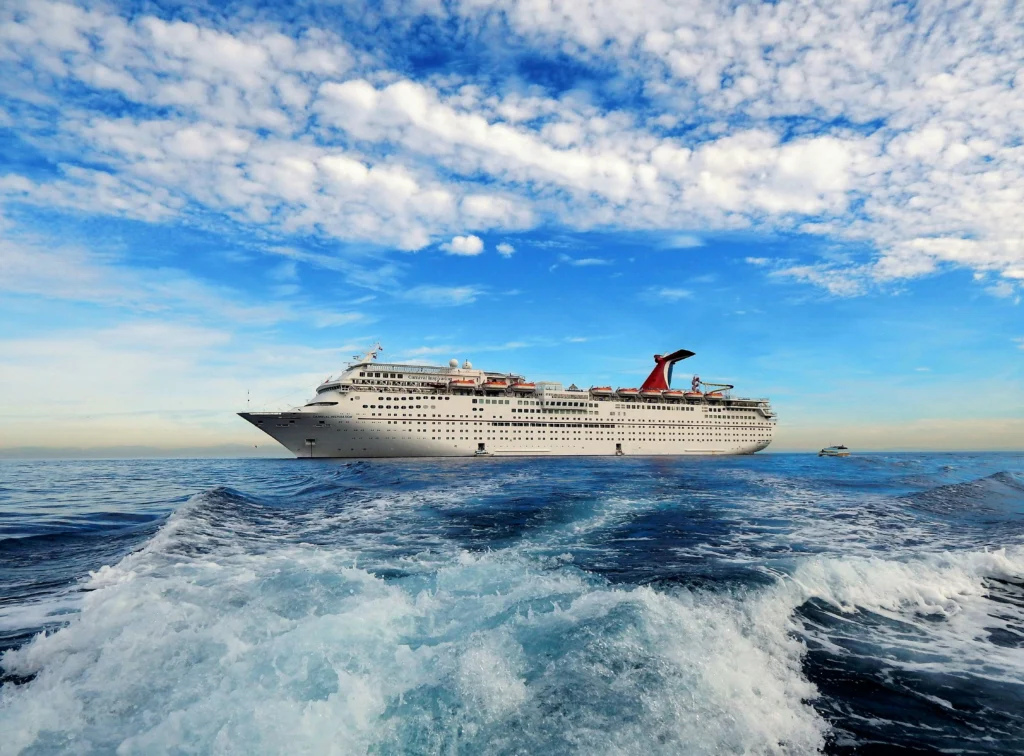
The global travel landscape has faced a series of complex challenges over the last year, from shifting economic conditions to geopolitical fluctuations. However, the high-end maritime sector is demonstrating remarkable fortitude. According to recent industry assessments and strategic updates from luxury cruise specialists, the appetite for premium seafaring experiences remains not only intact but is positioned for a historic expansion.
Official reports from international tourism boards and maritime ministries indicate that while short-term hesitations occasionally emerge due to regional instabilities, the trajectory for luxury and ultra-luxury cruising is pointing firmly upward. Industry leaders are characterizing current market ripples as temporary hurdles rather than long-term barriers, with consumer confidence for 2027 and beyond reaching record levels.
The Resilience of the Ultra-Luxury Sector
One of the most striking trends in modern tourism is the decoupling of the luxury travel market from broader economic volatility. While mass-market tourism often reacts sharply to inflationary pressures, the ultra-luxury cruise segment has shown a unique “elasticity of demand.” Government tourism data suggests that high-net-worth travelers are prioritizing experiential luxury, viewing specialized cruises as a safe and controlled environment for global exploration.
Official insights from recent industry summits in major hubs like Sydney and Orlando reveal that the lead time for bookings is extending. Travelers are no longer just looking at the next six months; they are securing suites for itineraries scheduled for 2028 and even 2029. This forward-looking behavior signals a deep-seated trust in the cruise industry’s ability to adapt and maintain high standards of safety and exclusivity regardless of the global climate.
Geographic Growth and Market Expansion
The geographical spread of this demand is diverse. While certain regions, such as the Middle East, have seen a temporary softening in transit sentiment, other corridors are experiencing a boom. Official tourism statistics highlight that:
Asia-Pacific: Demand for luxury expedition cruises in the Kimberley region and Southeast Asia is at an all-time high, supported by new port infrastructure investments.
Europe: Mediterranean and Baltic sailings continue to dominate the premium sector, with high occupancy rates reported for the upcoming summer seasons.
The Americas: Caribbean routes remain a staple, but there is a growing pivot toward “yacht-style” cruising in smaller, more secluded coastal areas.
This global appetite has fueled aggressive international expansion. Major luxury cruise agencies are scaling their operations rapidly across the United States and Australia, with new footprints being established in the Canadian market. The successful entry into these markets—marked by multi-million dollar sales figures within months of launching—proves that the desire for curated, small-ship experiences is a universal trend among affluent demographics.
The Rise of Specialized Cruising: Yachts and Expeditions
The “bigger is better” mantra of the past is being replaced by a preference for intimacy and immersion. Official ship registry data shows a significant increase in the construction of yacht-style vessels and expedition ships. These smaller ships allow travelers to access remote ports that larger vessels cannot reach, offering a level of privacy and personalization that is currently the primary driver of the luxury market.
Government maritime ministries have noted a rise in “expedition-style” permits, particularly for sensitive ecological zones. This shift suggests that the modern luxury cruiser is seeking education and adventure alongside traditional comfort. The expansion of these niche fleets provides tangible evidence of the sector’s long-term confidence. If the industry were truly concerned about global volatility, the capital investment required for these sophisticated new builds would not be as robust as it is today.
Strategic Outlook: Looking Toward 2030
As we move toward the end of the decade, the industry is preparing for a “new era of normality.” Tourism boards are increasingly focusing on sustainable luxury, ensuring that the growth in ship numbers aligns with environmental regulations and local community interests. The consensus among official bodies is that the luxury cruise market is not just recovering; it is evolving.
The “short-term setbacks” mentioned by industry analysts often involve rerouting ships or adjusting itineraries to bypass areas of instability. However, the flexibility of a cruise ship—essentially a floating luxury resort—is its greatest asset. Unlike land-based hotels, these vessels can follow the demand and move toward safer, more popular waters, ensuring that the business model remains profitable even when specific regions face challenges.
Investing in Human Capital and Local Markets
The expansion of luxury cruise firms into Australia and North America is also creating a surge in local employment within the tourism sector. Official labor statistics in the travel industry show an uptick in specialized roles, from luxury travel consultants to regional operations managers. This investment in human capital is a clear indicator that the industry expects the current “bull run” in luxury bookings to continue for years to come.
In Canada and Australia specifically, the arrival of dedicated luxury cruise entities is expected to stimulate local economies through increased pre- and post-cruise stays. Official tourism board releases often highlight how cruise passengers are high-value visitors who contribute significantly to local retail, dining, and hospitality sectors before they even board their ships.
Conclusion: A Bright Horizon
While global volatility is a reality that the travel industry must navigate, the luxury cruise sector has proven to be an outlier of strength. With bookings stretching nearly five years into the future and a massive influx of new, specialized ships entering the water, the industry is entering a period of unprecedented growth. For the affluent traveler, the message is clear: the world remains open, and the most sophisticated way to see it is on the horizon.
The current market conditions represent a moment of transition where travelers are moving toward more secure, high-end, and expertly curated experiences. As long as the industry continues to innovate with yacht-style vessels and expedition-grade technology, the demand for luxury cruises will likely continue to outpace global economic trends.
For more travel news like this, keep reading Global Travel Wire