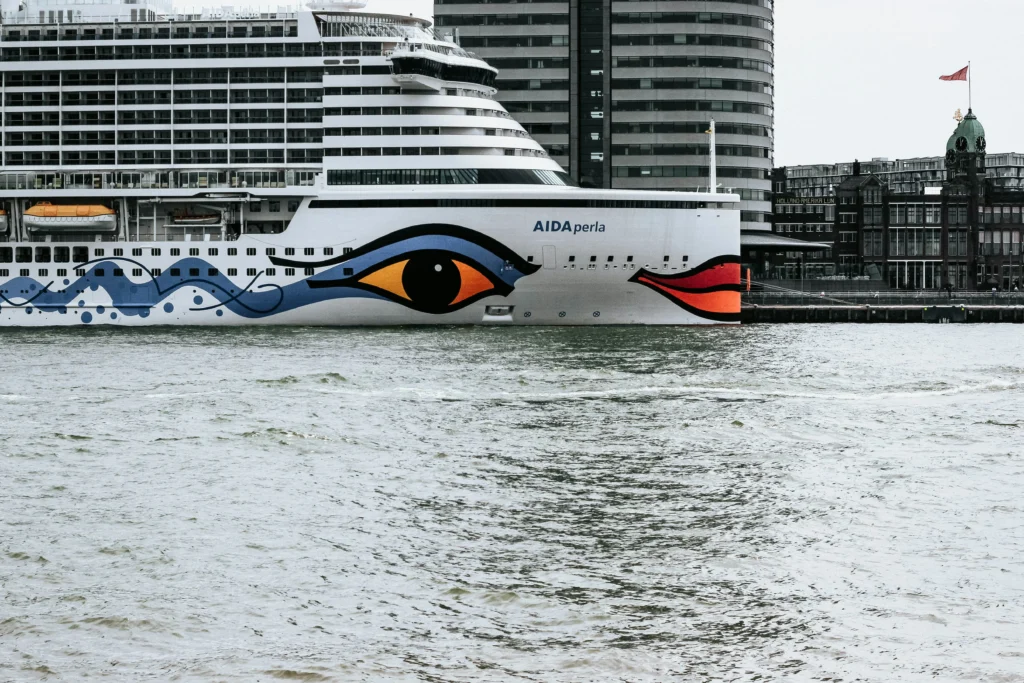
European cruise tourism is entering a dynamic growth phase, with AIDA emerging as one of the most influential brands in the region’s expanding maritime travel market. As demand for cruise holidays continues to rise worldwide, AIDA’s strong position in Europe highlights how regional cruise brands are helping shape the future of global tourism.
The brand, part of the wider Carnival portfolio, has become especially popular among travelers seeking destination-rich itineraries, modern ships, and value-focused holiday experiences. With routes across the Mediterranean, Northern Europe, the Canary Islands, and Atlantic sailings, AIDA is benefiting from renewed traveler confidence and rising interest in multi-destination vacations.
For the broader tourism industry, AIDA’s momentum reflects key trends including sustainability, repeat travel demand, and growing appetite for experience-led holidays.
Why Europe Remains a Powerful Cruise Market
Europe has long been one of the world’s most attractive cruise regions thanks to its combination of culture, coastline, heritage cities, and diverse itineraries. Travelers can sail through the Mediterranean, explore Nordic fjords, visit island destinations, or combine multiple countries in a single trip.
This variety gives Europe a strong competitive advantage. A cruise holiday in the region can include beaches, historic landmarks, culinary experiences, shopping, and scenic landscapes without the need for repeated hotel changes or multiple flights.
For international visitors, European cruising also offers convenience. Major air hubs, developed port infrastructure, and strong rail links make embarkation easy from cities such as Barcelona, Hamburg, Rome, Athens, and Palma de Mallorca.
As travel demand grows, Europe remains one of the most important pillars of global cruise tourism.
AIDA’s Strong Appeal to Modern Travelers
AIDA has built a loyal customer base by focusing on relaxed onboard experiences, contemporary ships, and itineraries designed for leisure-focused travelers. The brand is especially well known in German-speaking markets but increasingly attracts wider international interest.
Its appeal lies in combining accessibility with modern amenities. Travelers can enjoy entertainment, family facilities, wellness areas, dining options, and destination-focused programs in one package.
This style of cruising matches changing consumer preferences. Many travelers now want holidays that feel informal, flexible, and experience-driven rather than overly formal or traditional.
Families, couples, and repeat cruisers are particularly drawn to products that combine comfort with practical value.
By responding to these preferences, AIDA has strengthened its place in Europe’s competitive cruise market.
Sustainability Becomes a Major Selling Point
One of the most important developments in cruise tourism is the growing focus on sustainability. Travelers are increasingly aware of environmental issues and often consider responsible practices when choosing travel products.
Modern cruise ships with cleaner propulsion systems, improved waste management, and energy-efficient technologies are becoming more important in booking decisions.
AIDA’s newer vessels have been part of this transition, reflecting the wider industry move toward lower-emission operations and greener maritime travel.
For tourism destinations, sustainable cruising also matters because ports and local communities want growth that balances visitor benefits with environmental protection.
As sustainability standards continue to rise, brands investing early in greener fleets may gain stronger long-term appeal.
Rising Demand Supports Cruise Expansion
The wider cruise industry has seen strong passenger demand, driven by both repeat guests and first-time cruisers. Travelers continue to value the convenience of all-in-one holidays that combine transport, accommodation, dining, and entertainment.
Cruising is also attractive during uncertain economic periods because many costs are bundled upfront, making budgeting easier compared with land-based trips that require separate bookings.
For Europe, rising demand supports more sailings, broader itineraries, and continued investment in fleet upgrades.
As ships return to full deployment and new travelers enter the market, regional brands such as AIDA are likely to play a central role in sustaining growth.
Competition Benefits Travelers
Europe’s cruise market is highly competitive, with multiple brands offering a wide range of experiences from family holidays to premium voyages and small-ship exploration.
Competition is positive for travelers because it encourages innovation, better service, and stronger value. Cruise lines are constantly improving dining options, onboard entertainment, digital tools, shore excursions, and wellness offerings to stand out.
It also creates more pricing flexibility, helping travelers find options suited to different budgets.
For destinations, competition can bring more cruise calls, wider market exposure, and stronger visitor flows across the season.
The continued growth of brands like AIDA helps keep Europe at the center of this competitive and innovative tourism landscape.
Why Global Travelers Are Watching Europe
European cruise tourism is not driven only by local demand. Travelers from North America, Asia, Australia, and the Middle East are increasingly choosing European itineraries because they combine multiple iconic destinations in one journey.
A single cruise may include Spain, Italy, France, Greece, Croatia, Norway, or Portugal depending on route and season. This efficiency is especially attractive for long-haul travelers who want to maximize their time abroad.
Themed sailings such as Christmas market cruises, summer island itineraries, and Northern Lights voyages are also drawing international attention.
As global air connectivity improves, Europe is likely to remain one of the strongest magnets for international cruise guests.
Economic Benefits for Ports and Cities
Cruise tourism generates value far beyond the ships themselves. Ports, hotels, restaurants, tour operators, transport providers, retailers, and cultural attractions all benefit when passengers arrive.
Many travelers extend their trips before or after a cruise, adding hotel nights and additional spending in embarkation cities. This creates wider tourism benefits for urban destinations and surrounding regions.
For Europe’s port cities, cruise traffic can support jobs, infrastructure development, and international visibility.
When managed well, cruise tourism becomes an important contributor to local economic growth.
Strong Outlook for the Future
The outlook for European cruise tourism remains positive as traveler demand, sustainability investment, and product innovation continue to strengthen the sector.
Brands like AIDA show how regional expertise and modern fleet development can drive success in a changing travel market. Their growth reflects a wider shift toward experience-led, flexible, and value-focused holidays.
For travelers, this means more choice and better experiences. For destinations, it means continued opportunity. For the global tourism industry, Europe’s cruise market is set to remain one of the most exciting and influential segments in the years ahead.