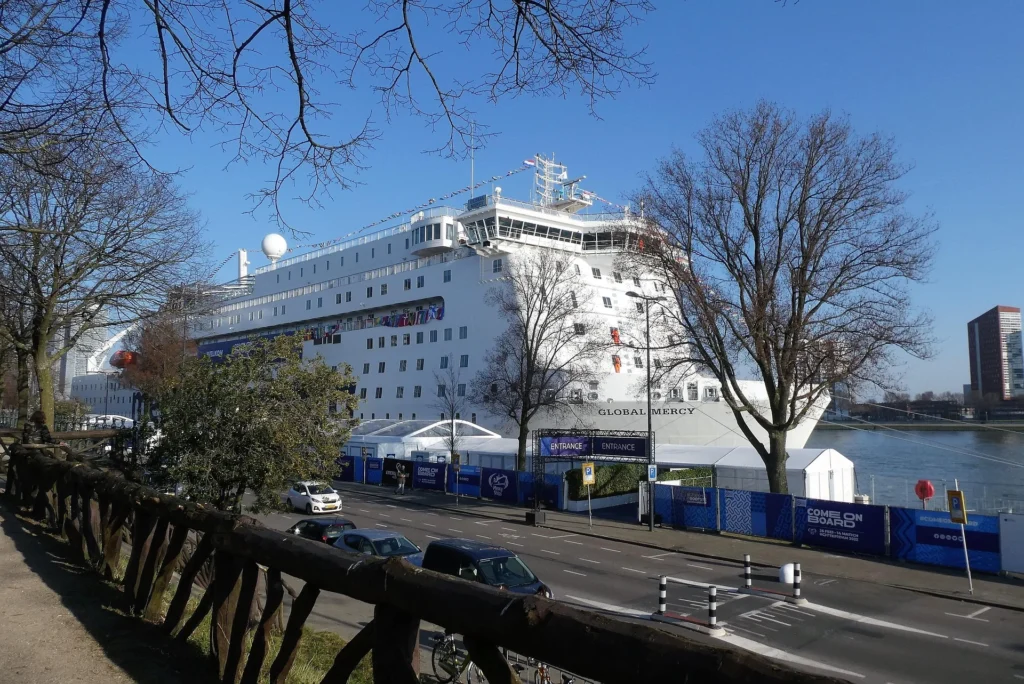
The global cruise industry is adjusting its winter 2026 plans as several major cruise brands realign seasonal itineraries and redeploy ships to alternative destinations. The changes reflect how cruise tourism continues to adapt to market demand, operational planning, and evolving regional conditions across the world’s busiest travel corridors.
Winter cruise schedules are among the most important periods in the annual tourism calendar, attracting families, long-stay vacationers, and travelers seeking warm-weather escapes. Because of this, itinerary changes often have a direct impact on ports, hotels, airlines, travel advisors, and local tourism businesses.
The latest route revisions show that cruise operators are prioritizing flexibility, passenger confidence, and stronger-performing destinations as they prepare for the next peak season.
Why Cruise Itineraries Change
Cruise lines regularly review seasonal deployment plans based on several factors including traveler demand, port readiness, operating costs, air connectivity, and regional conditions. Unlike land-based hotels, cruise ships are mobile assets that can be repositioned to markets showing stronger potential.
This flexibility is one of the unique strengths of cruise tourism. Ships can shift between the Caribbean, Mediterranean, Northern Europe, Asia, and other regions depending on seasonality and booking trends.
When itinerary changes happen, they are often part of broader strategic planning rather than a sign of industry weakness. Cruise companies continuously evaluate where ships can deliver the best guest experience and strongest commercial performance.
For travelers, route changes may also open new destination choices and fresh onboard concepts.
Winter Demand Drives Strategic Moves
Winter remains one of the busiest cruise periods globally. Travelers from colder climates often seek sunshine destinations with beaches, outdoor activities, and relaxed holiday atmospheres. This makes winter deployments especially valuable for cruise brands.
Popular winter regions include the Caribbean, Mexico’s Pacific coast, South America, the Canary Islands, and selected Asia-Pacific markets. These destinations combine favorable weather with established tourism infrastructure and broad international appeal.
As a result, cruise lines often shift ships into routes where demand is strongest during the winter season.
The latest redeployments suggest that operators are focusing on markets with consistent booking momentum and easier travel access for key source markets.
Adults-Only and Niche Cruising Gain Momentum
One of the clearest trends in recent redeployments is the rise of themed and adults-only sailings. Cruise companies are increasingly segmenting products to attract specific traveler groups such as couples, luxury guests, solo travelers, families, and entertainment-focused passengers.
Adults-only voyages have become particularly attractive because they offer a different onboard atmosphere, quieter relaxation areas, curated nightlife, premium dining, and tailored entertainment.
This reflects a broader shift in tourism where travelers are seeking experiences matched to their lifestyle rather than one-size-fits-all holidays.
Niche cruising can also help operators maximize occupancy by targeting customers willing to pay for specialized experiences.
As competition grows, more cruise brands are expected to introduce themed products, premium concepts, and segmented sailings.
Destination Changes Affect Local Tourism Economies
When cruise itineraries move, the impact extends beyond passengers. Ports and destinations rely on cruise calls for visitor spending across transport, attractions, retail, restaurants, and shore excursions.
A single ship visit can bring thousands of guests and crew members into a local economy. This supports jobs and generates revenue for businesses large and small.
At the same time, destinations receiving redeployed sailings may benefit from new visitor flows, stronger seasonal demand, and higher international visibility.
This dynamic nature of cruise tourism means ports must remain competitive through efficient operations, quality visitor experiences, and strong partnerships with cruise lines.
Destinations that invest in infrastructure and hospitality readiness are often better placed to secure future calls.
Safety and Confidence Remain Key Priorities
Passenger confidence is central to cruise planning. Travelers want reassurance that their holiday will run smoothly, with reliable itineraries and safe destination experiences.
For this reason, cruise operators continuously monitor conditions that may affect sailing schedules. These can include weather patterns, port operations, geopolitical developments, or logistical constraints.
The ability to adjust routes when needed helps protect the guest experience and maintain service standards.
This responsive approach has become increasingly important in modern tourism, where flexibility and clear communication are highly valued by travelers.
For many passengers, confidence in the operator is just as important as the destinations themselves.
New Experiences Replace Traditional Routes
When ships move away from one region, they are often introduced into another with refreshed itineraries, upgraded onboard programs, or new market positioning.
This creates excitement for repeat cruisers who are always looking for fresh options. Travelers who have already visited traditional routes may be attracted by alternative coastlines, different cultures, or new themed sailings.
For cruise brands, redeployment can therefore be both a defensive and growth strategy.
Rather than simply canceling a season, operators can use repositioning to unlock demand elsewhere and introduce products aligned with current trends.
This keeps the cruise offering dynamic and helps sustain long-term passenger interest.
Cruise Tourism Continues to Expand Globally
Despite itinerary adjustments, the wider outlook for cruise tourism remains strong. Global demand has been supported by repeat cruisers, rising interest from younger travelers, and growing popularity of premium and experiential voyages.
Cruise holidays continue to appeal because they combine transport, accommodation, dining, and entertainment into one seamless product. They also provide access to multiple destinations in a single journey.
As new ships enter service and existing fleets are refreshed, travelers are likely to see even more variety in destination choices and onboard experiences.
The ability of the industry to adapt quickly to changing market conditions is one reason cruising remains one of tourism’s most resilient sectors.
What Travelers Should Expect in 2026
For travelers planning winter 2026 cruises, flexibility and early planning will be important. Seasonal route changes may create new opportunities in high-demand destinations while reducing availability in others.
Guests should monitor updates, compare revised itineraries, and consider emerging destinations that may now receive additional sailings.
For repeat cruisers, this can be a chance to explore new regions or try specialized voyage formats such as adults-only, premium, or destination-focused sailings.
The cruise map is evolving, and that evolution is creating more choice than ever before.
A Dynamic Future for Cruise Travel
The latest winter itinerary shifts highlight an essential truth about cruise tourism: adaptability drives success.
Ships may change routes, but the broader industry continues to grow by responding to traveler preferences, destination opportunities, and operational realities.
For ports, tourism boards, and travelers alike, 2026 is shaping up to be another year of innovation, movement, and expanding possibilities across the global cruise market.